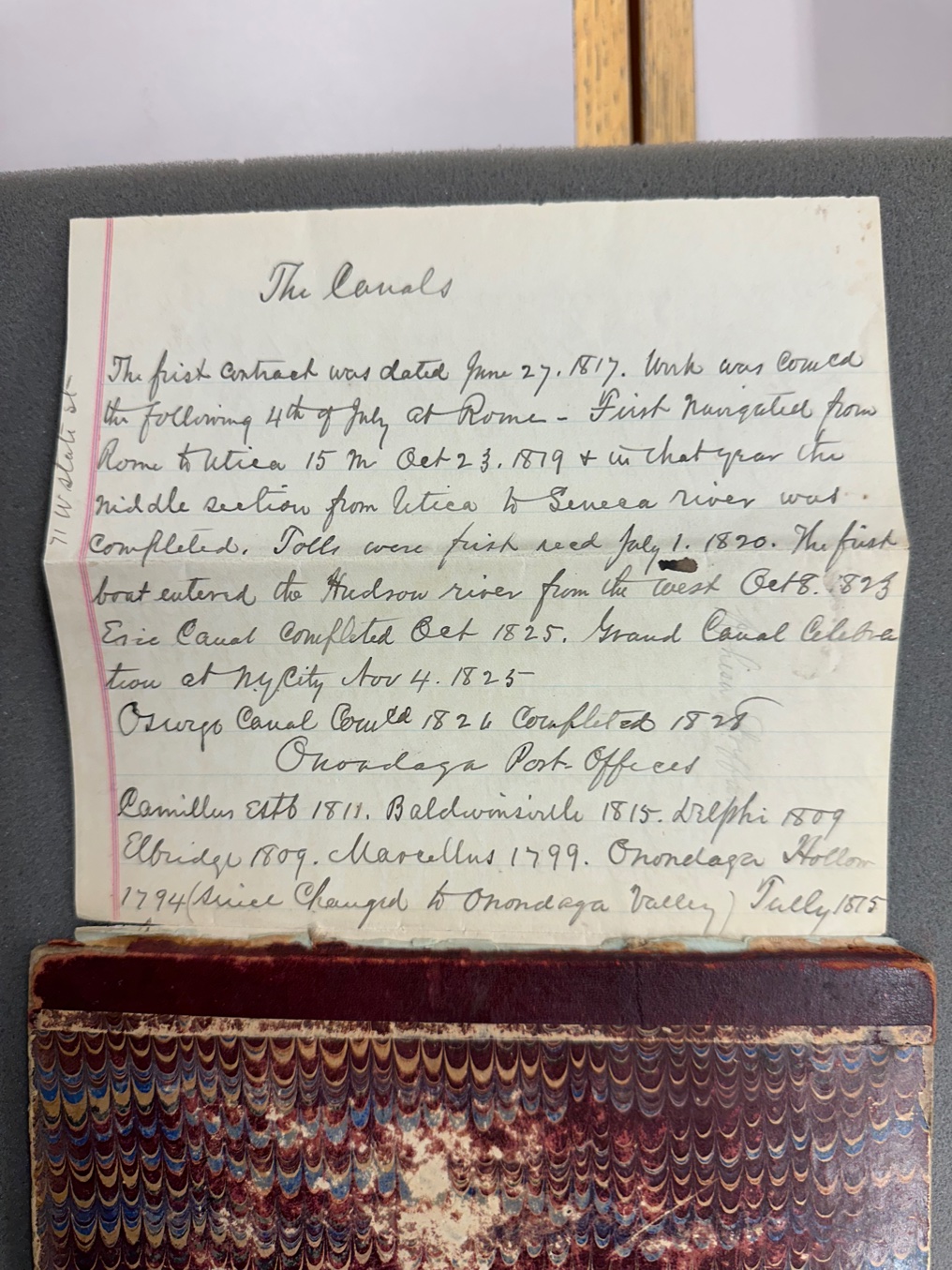
VI_9559
Front Outside Cover of Notebook #6.
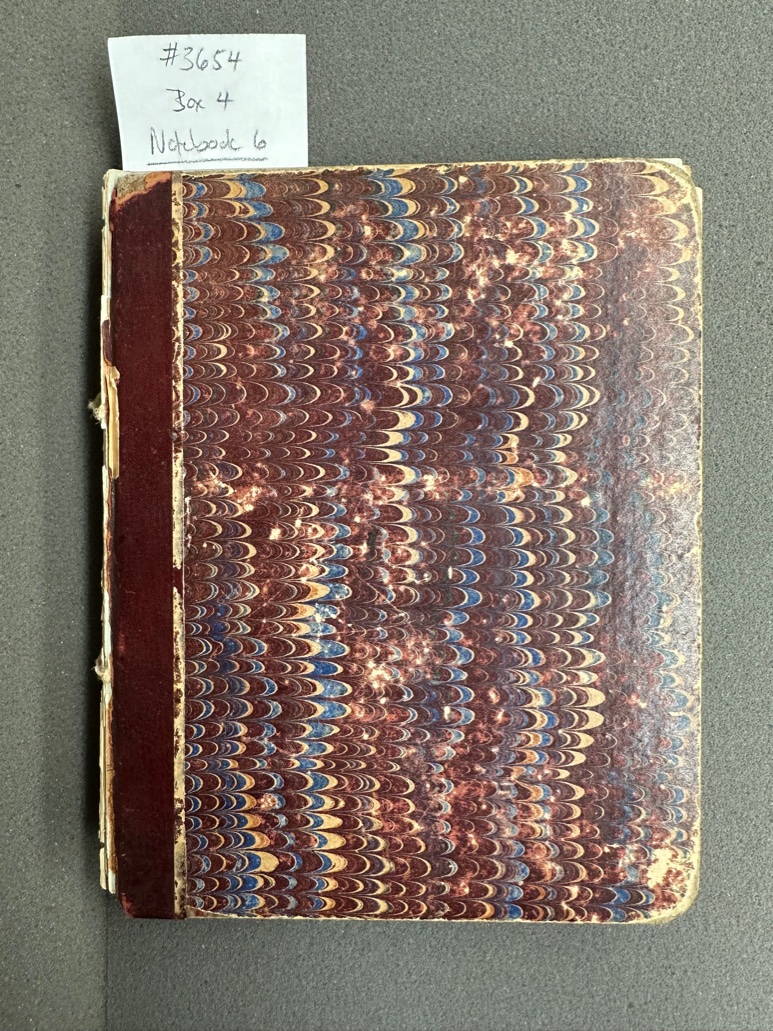
VI_9560
Inside of front cover. Cornell University Library Bookplate.
Inside Cover. Cornell University Library. C.F. Mulks by bequest. v 307 18/12/1908
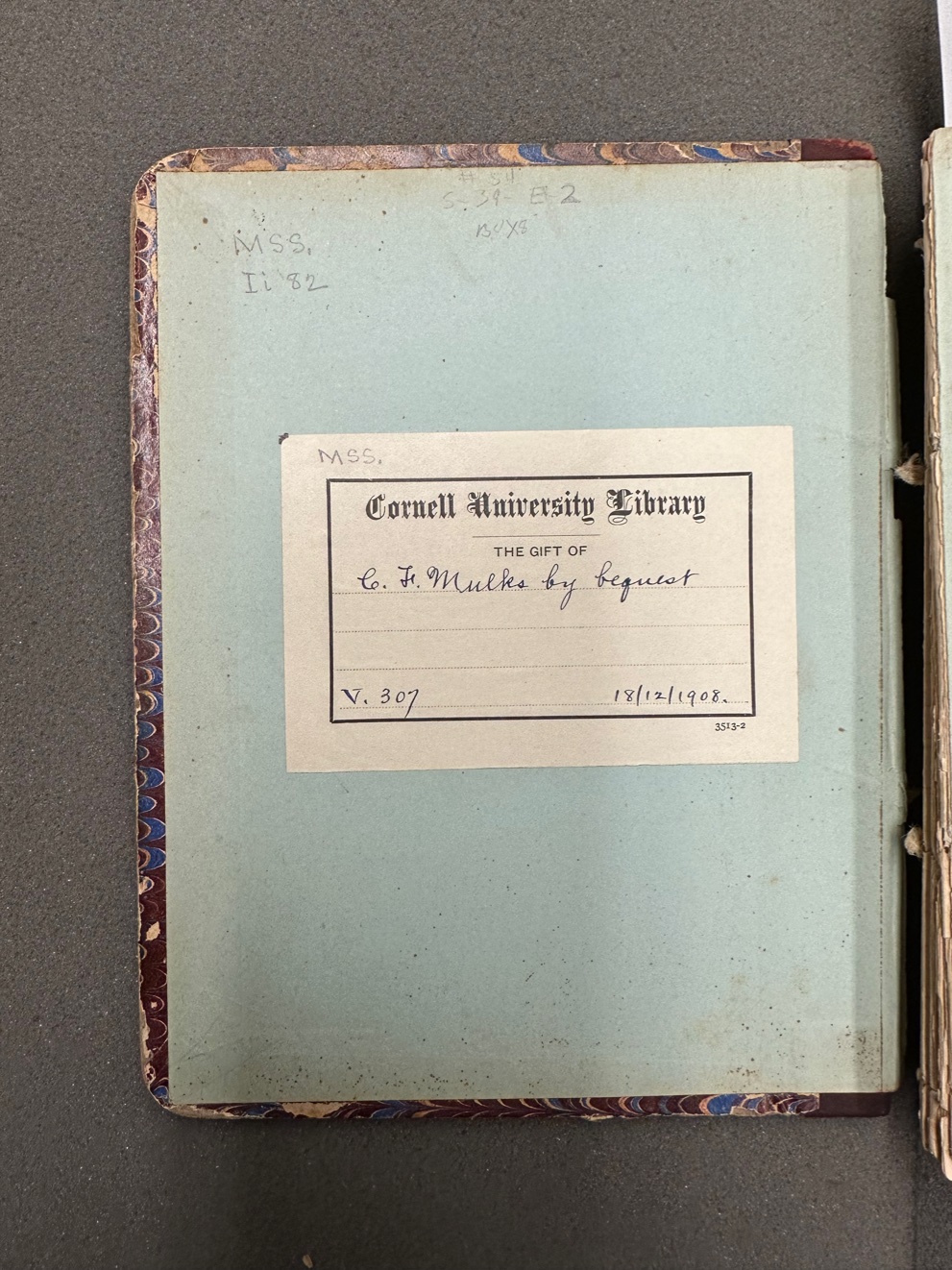
VI_9561
Note and Copy Book of Chas F. Mulks' Book 71 W. State St. Ithaca NY (a period below NY)
12/29/891 (1891)
Tompkins Clerk's office Book M State of Connecticut p. 447 vs. Harmon Pumpelly
Flyleaf Recto
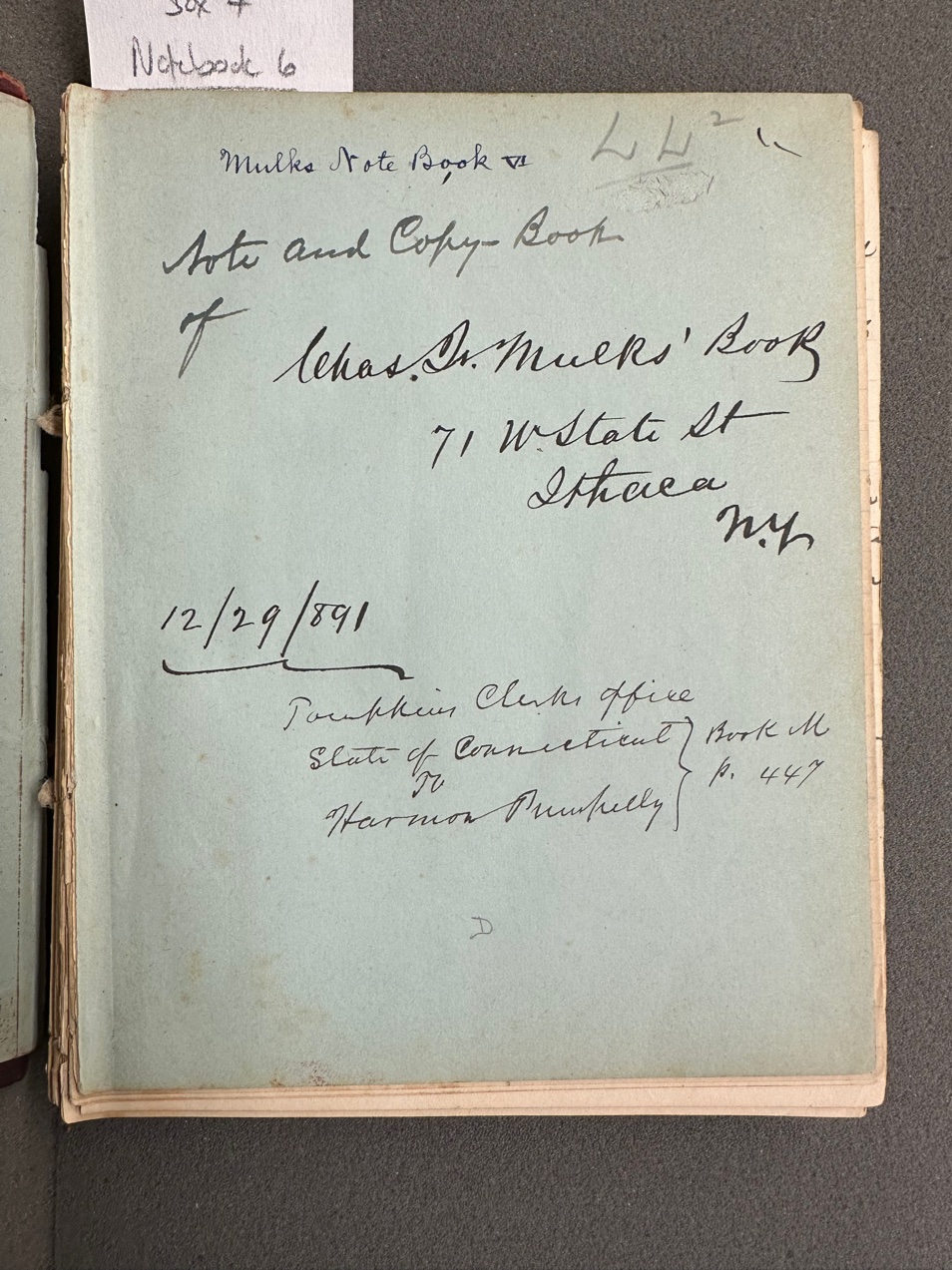
VI_9562
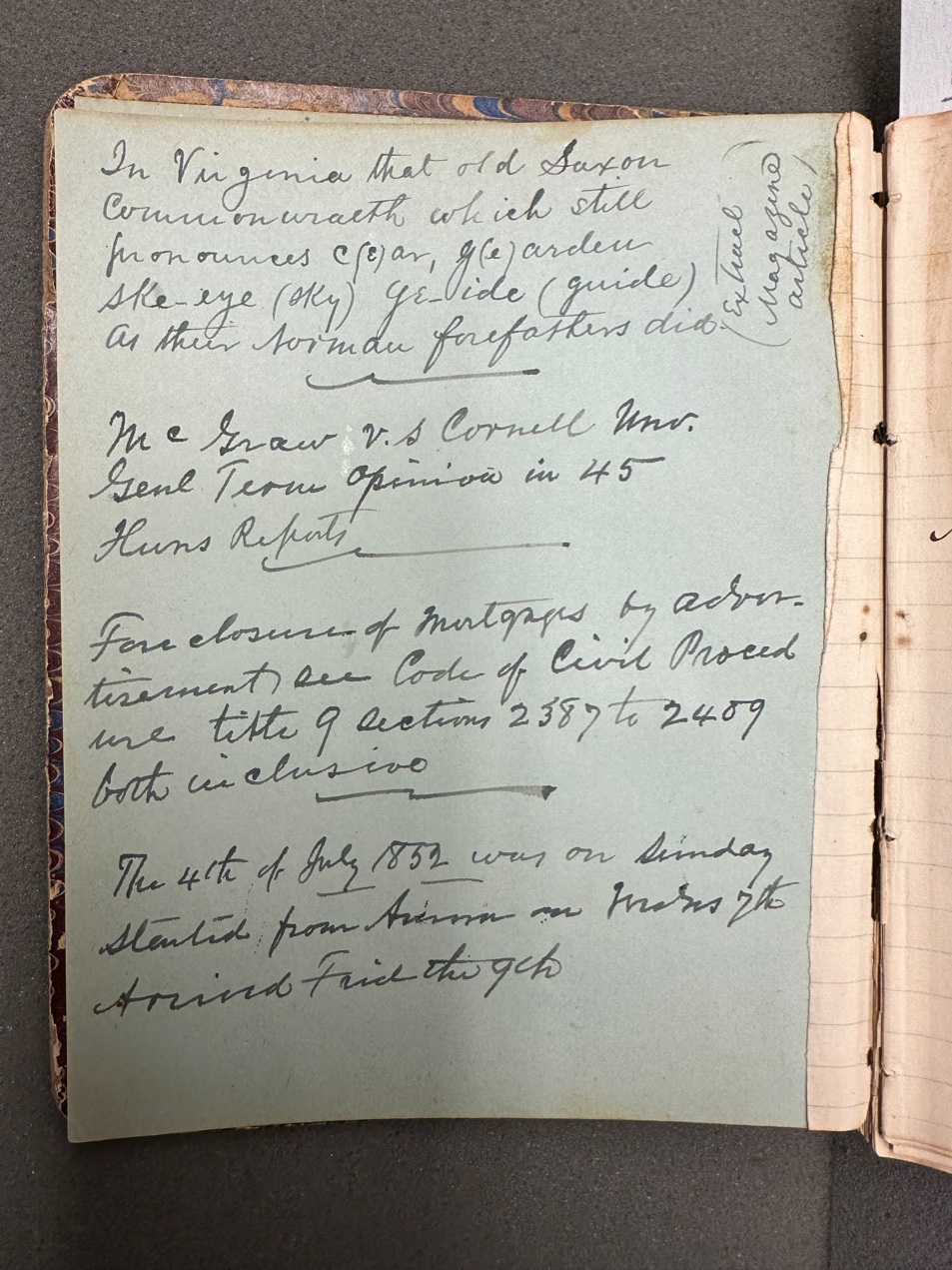
In Virginia that old Saxon commonwealth which still pronounces [?], g(e)arden, ske-eye (sky), ge_ide (guide) as their Norman forefathers did.
("Extract Magazine article" in margin)
McGraw v. Cornell University. Genl Team Opinion in 45 Huns Reports
Foreclosure of Mortgages by advertisement, see Code of Civil Procedure Title 9 Sections 2387 to 2409, both inclusive.
The 4th of July 1852 was on a Sunday started from [?] on [?] 7th Finished Friday the 9th.
Flyleaf verso
VI_9563
3
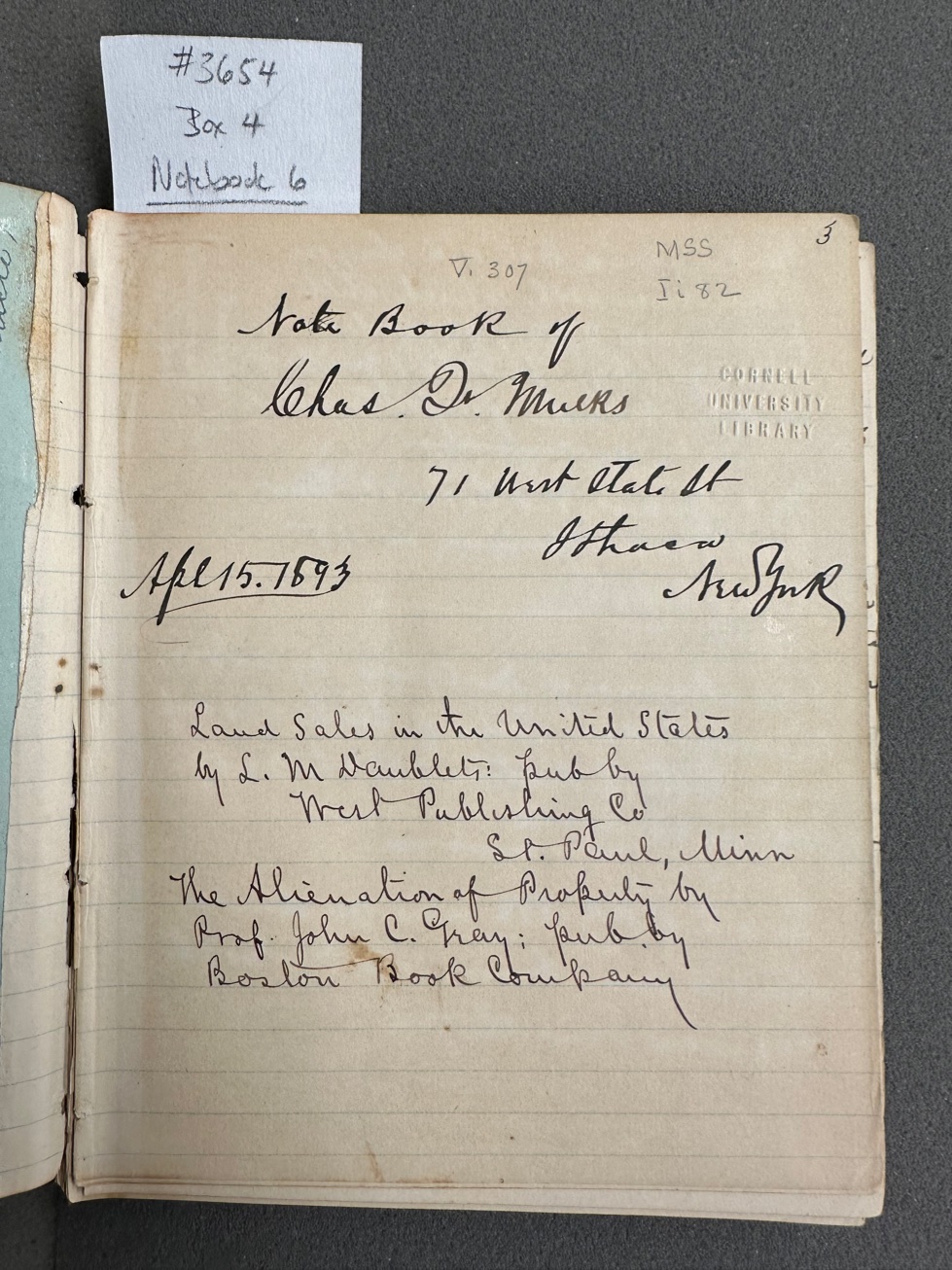
Notebook of Chas. F. Mulks
71 West State St. Ithaca, New York Apr 15. 1893
Land Sales in the United States by L. M. Daublets; pub by West Publishing Co St. Paul, Minn. The Alienation of Property by Prof. John C. Gray; pub. by Boston Book Company
The first two pages were apparently cut out by CFM.
VI_9564
5
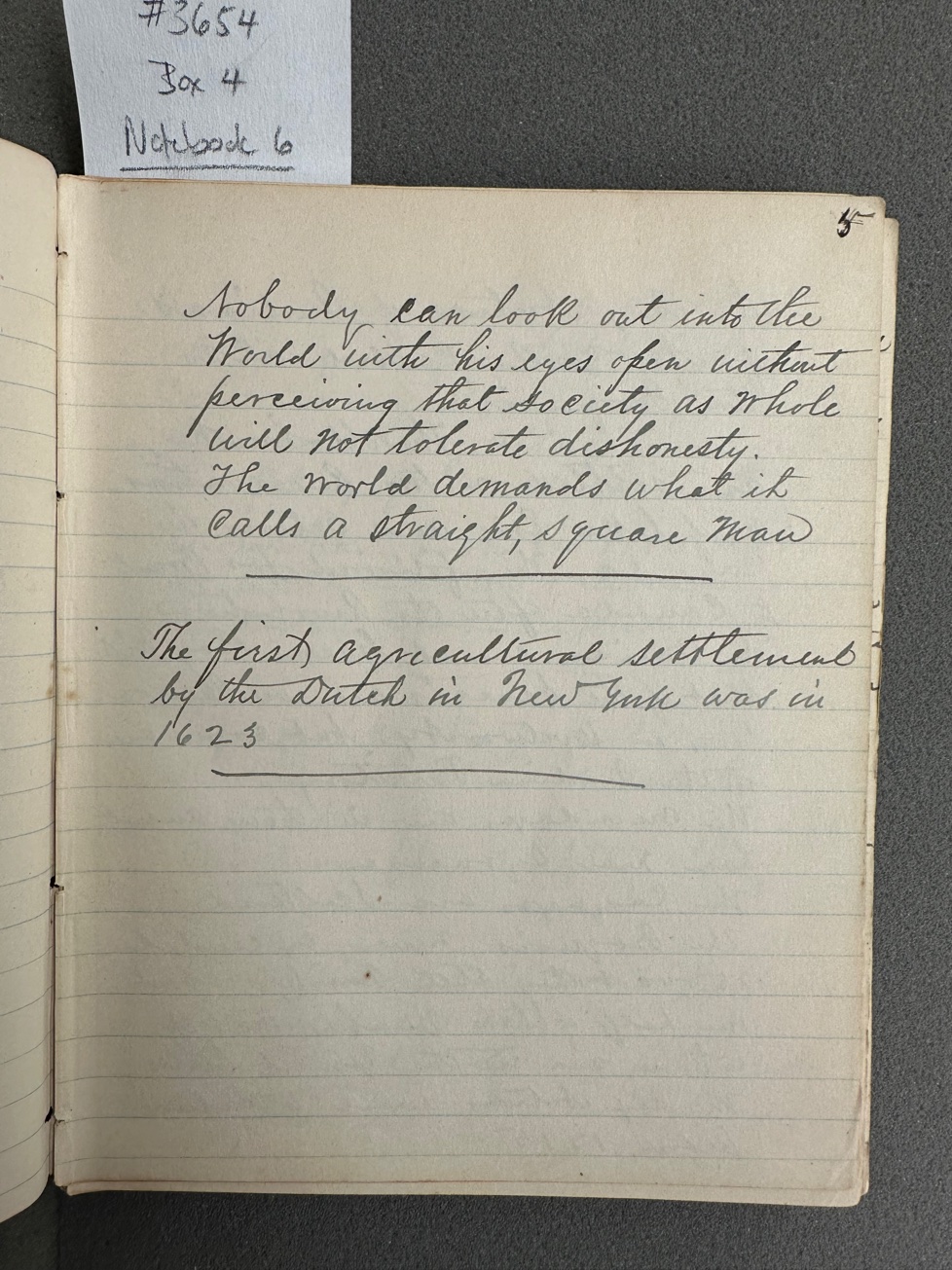
Nobody can look out into the world with his eyes open without perceiving that society as whole will not tolerate dishonesty. The world demands what it calls a straight square man.
The first agricultural settlement by the Dutch in New York was in 1623
VI_9565
6
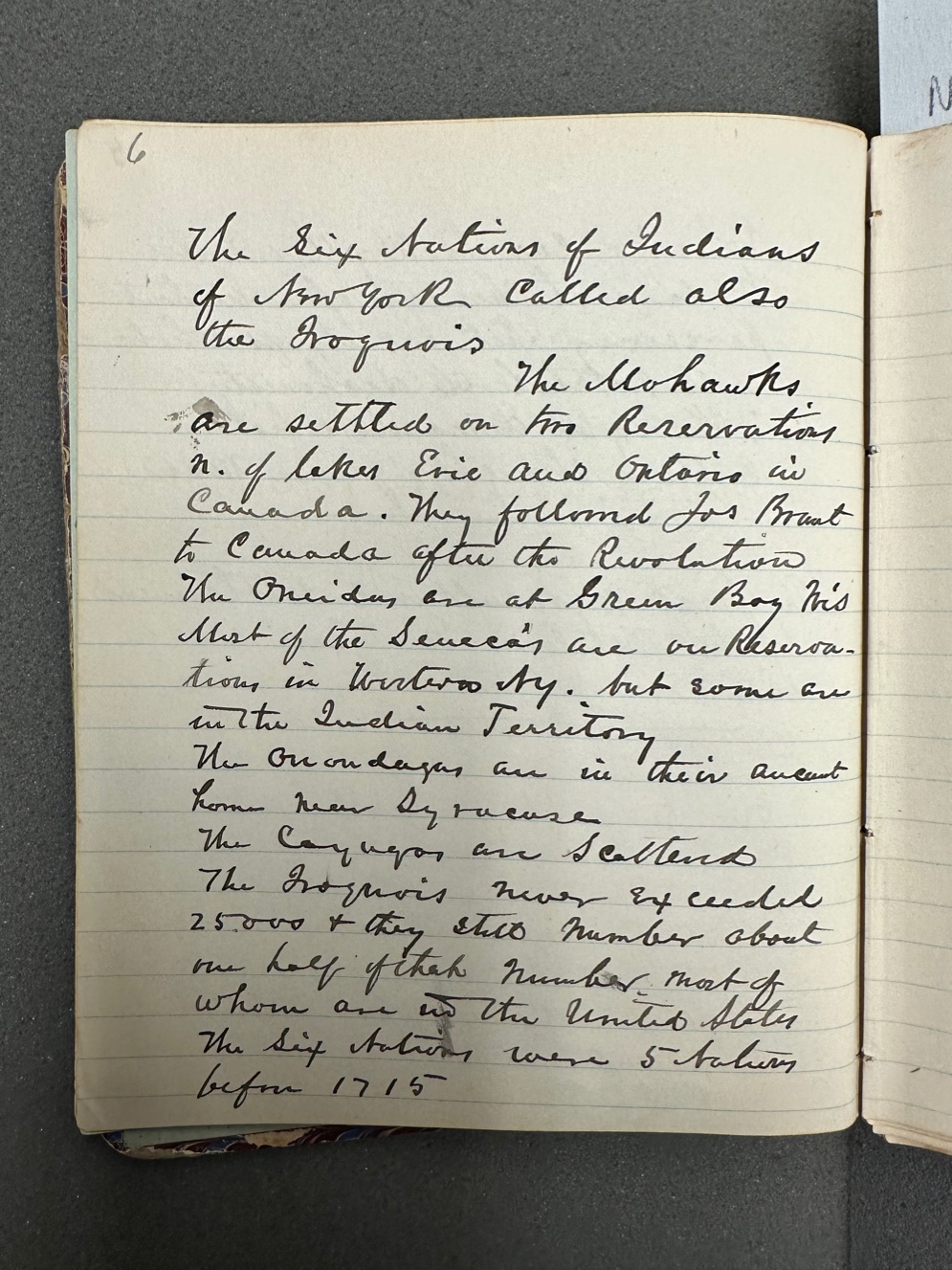
The Six Nations of Indians of New York called also the Iroquois. The Mohawks are settled on the Reservations north of Lakes Erie and Ontario in Canada. They followed Jos. Brant to Canada after the Revolution. The Oneidas are in Green Bay, Wisconsin. Most of the settlers are on Reservations in Western NY, but some are in the Indian Territory. The Onondagas are in their ancient home near Syracuse. The Cayugas are scattered. The Iroquois never exceeded 25,000, and they still number about one-half of that number, most of whom are in the United States. The Six Nations were 5 Nations before 1715.
VI_9566
7
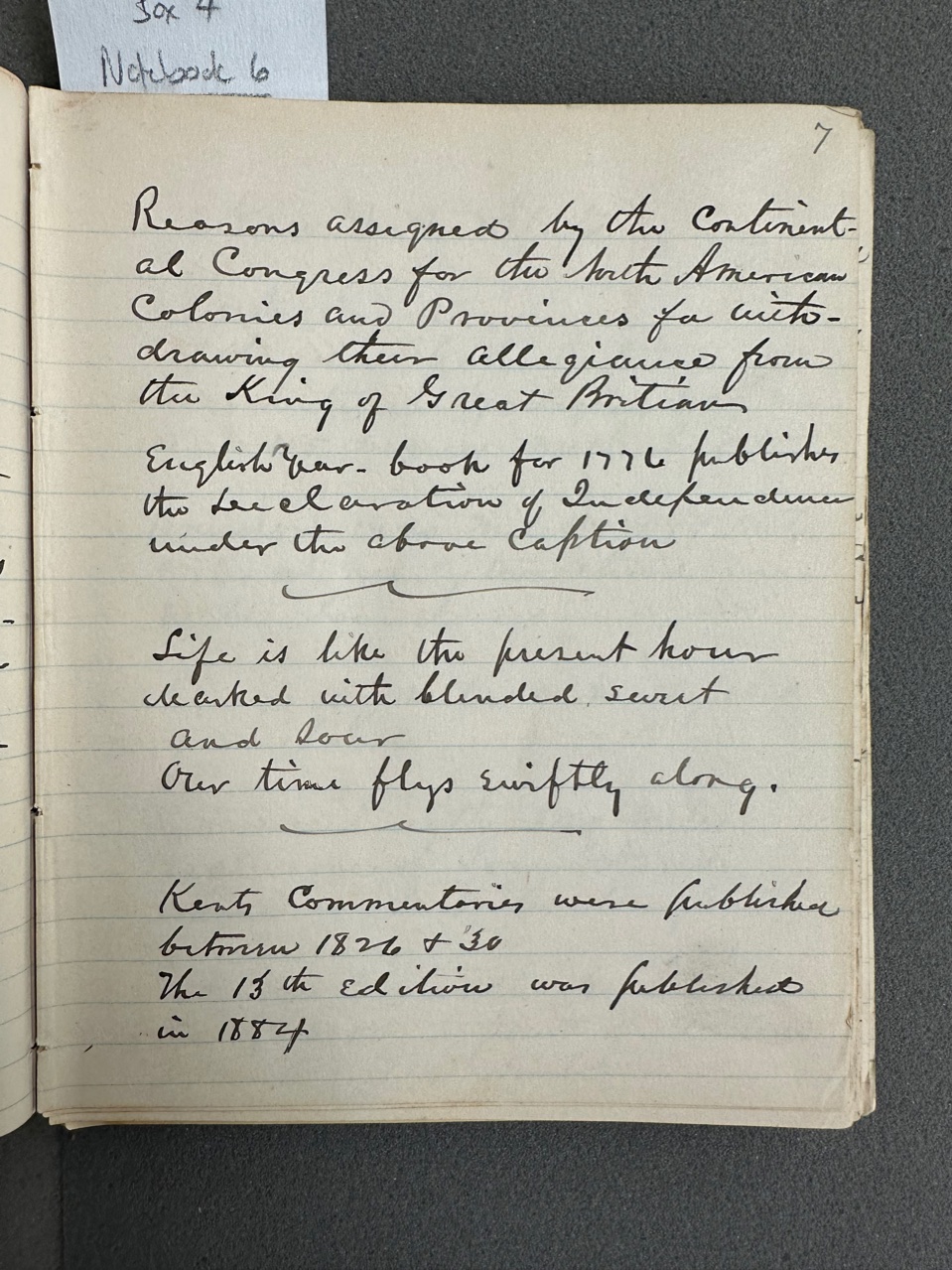
Reasons assigned by the Continental Congress for the North American Colonies and Provinces for withdrawing their allegiance from The King of Great Britain.
English [?] - book for 1776 publishes The Declaration of Independence under the above caption.
Life is like the present hour marked with blended sweet and sour Our time flys swiftly along.
Kents' Commentaries were published between 1826 & '30. The 13th Edition was published in 1884.
VI_9567
9
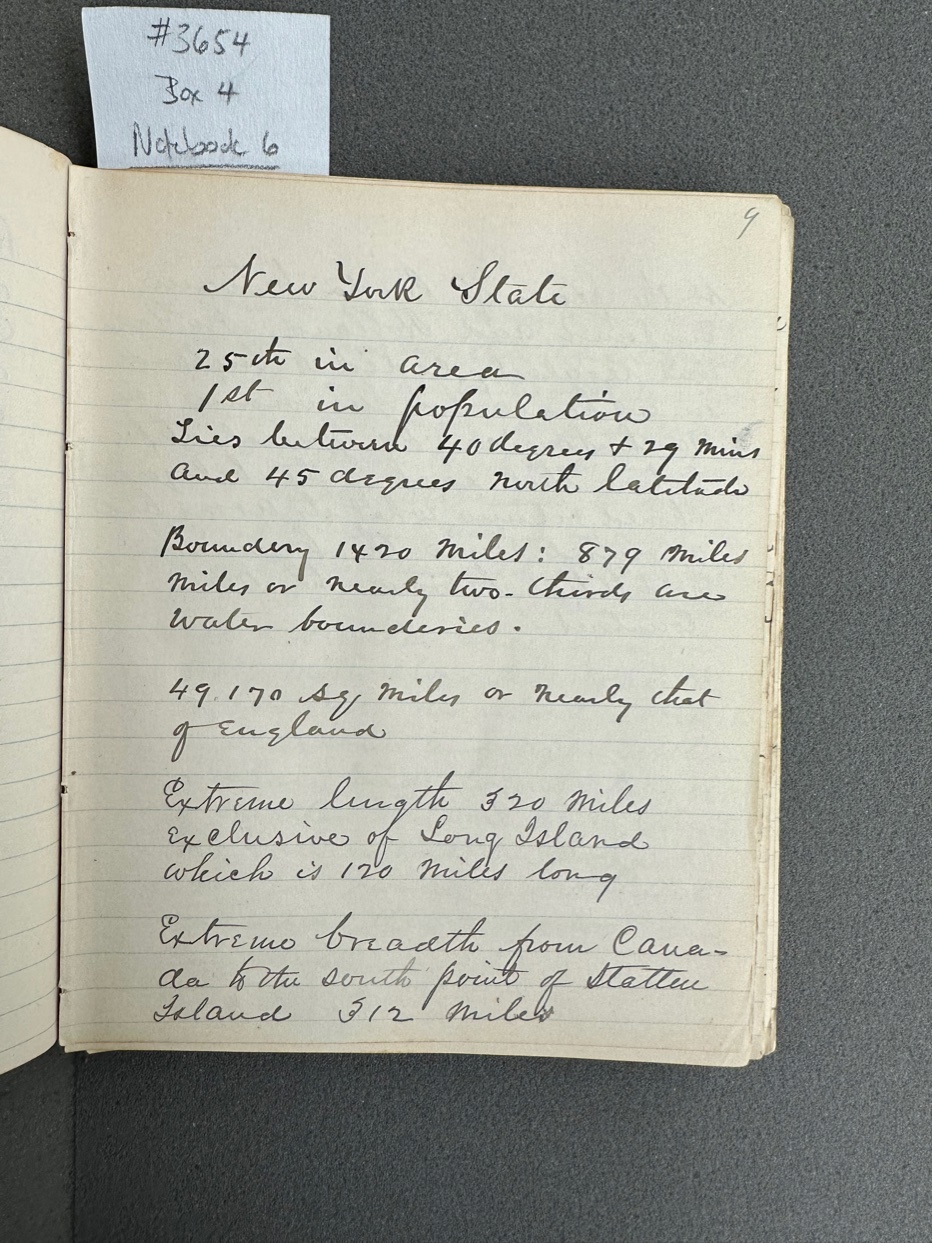
New York State 25th in area 1st in population Lies between 40 degrees + 29 mins and 45 degrees North Latitude
Boundary 1420 miles: 879 miles Nearly two-thirds are water boundaries.
It's 49,170 sq. miles or nearly that of England.
Extreme length 320 miles exclusive of Long Island which is 120 miles long
Extreme breadth from Canada to the southern point of Staten Island is 312 miles.
VI_9568
10
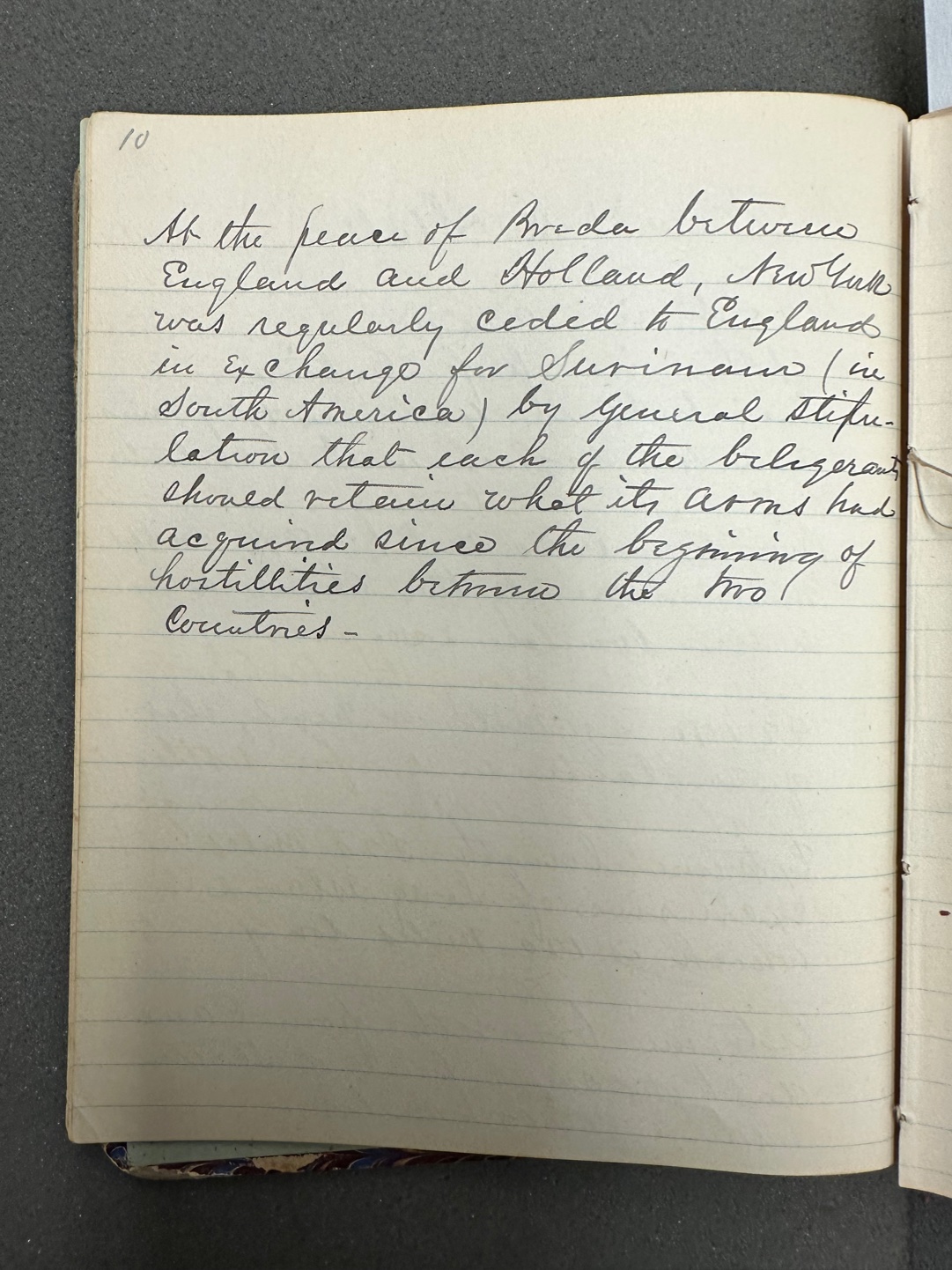
At the Peace of Breda, between England and Holland (1667), New York was regularly ceded to England in exchange for Surinam (in South America) by general stipulation that each of the biligerents should retain what its arms had acquired since the beginning of hostilities between the two countries.
VI_9569
11
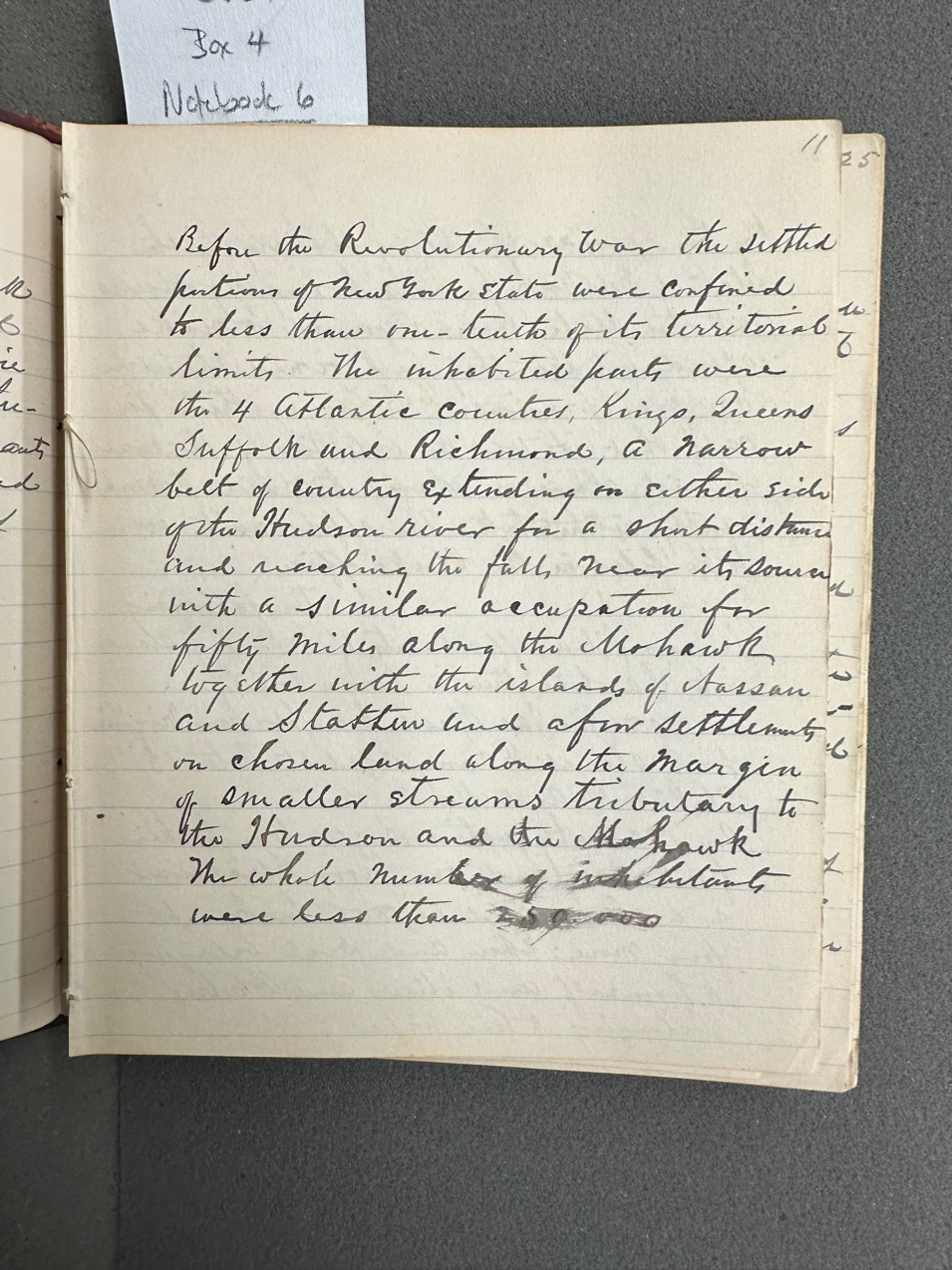
Before the Revolutionary War was settled, portions of New York State were confined to less than one-tenth of its territorial limits. The inhabited parts were the 4 Atlantic counties: Kings, Queens, Suffolk and Richmond, a narrow belt of country extending on either side of of the Hudson River for a short distance and reaching the falls near its source. A similar occupation for fifty miles along the Mohawk River together with the islands of Nassau and Staten and a few settlements on chosen land along the margins of smaller streams, tributaries to the Hudson and the Mohawk. The total number of inhabitants were less than 250,000.
VI_9570
12
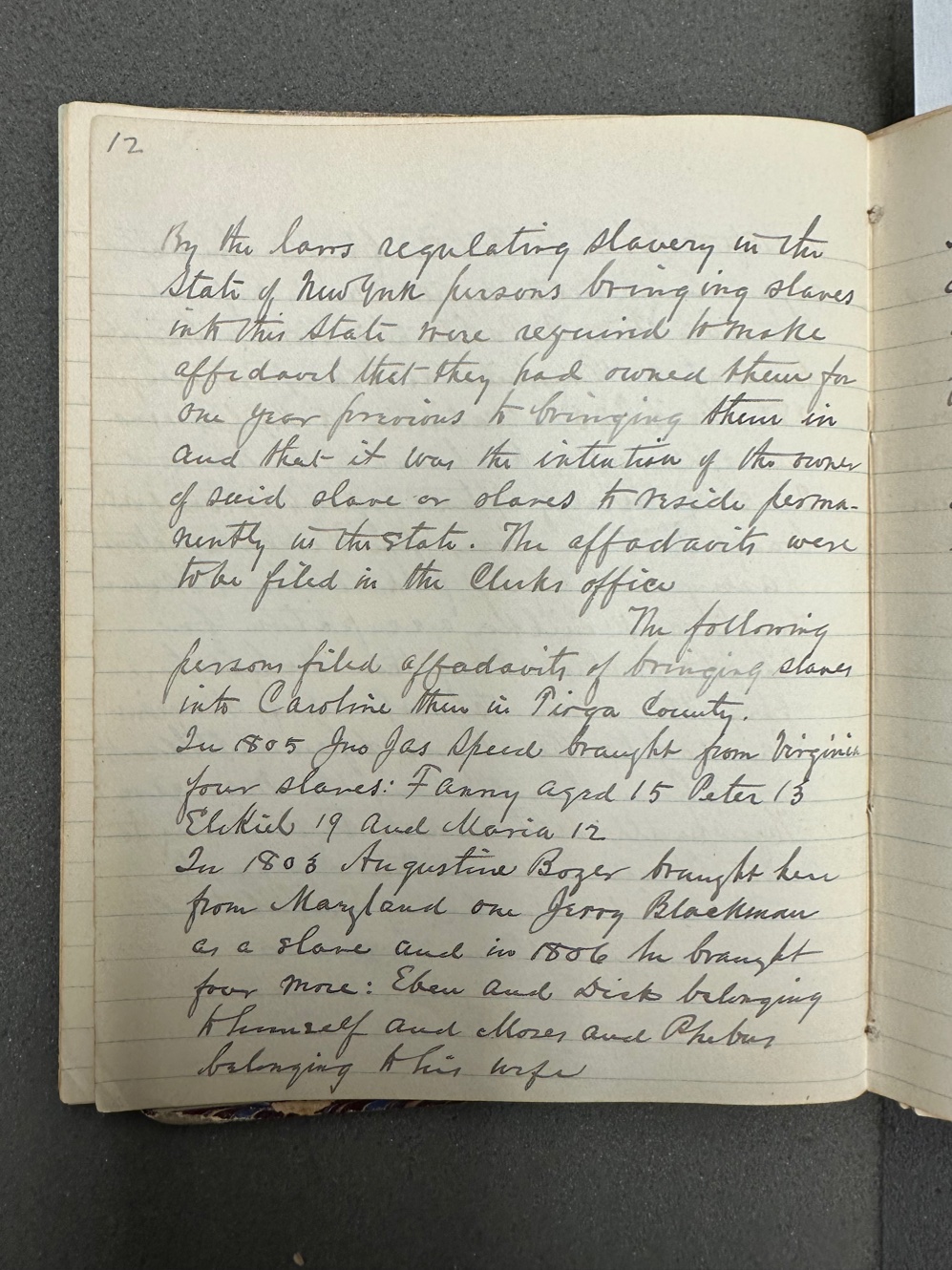
By the laws regulating slavery in the State of New York persons bringing slaves into the state were required to make affidavit that they had owned them for one year previous to bringing them in and that it was the intention of the owner of said slave or slaves to reside permanently in the state. The affidavits were to be filed in the Clerk's Office. The following persons filed affidavits of bringing slaves into Caroline, then in Tioga County. In 1805, John James Speed brought from Virginia four slaves: Fanny, aged 15, Peter, 13, Ezekial, 19, and Maria, 12. In 1803, Augustine Boyer brought here from Maryland, one Jerry Blackman as a slave, and in 1806, he brought four more: Eben and Dick, belonging to himself, and Moses and Phebus, belonging to his wife.
VI_9571
13
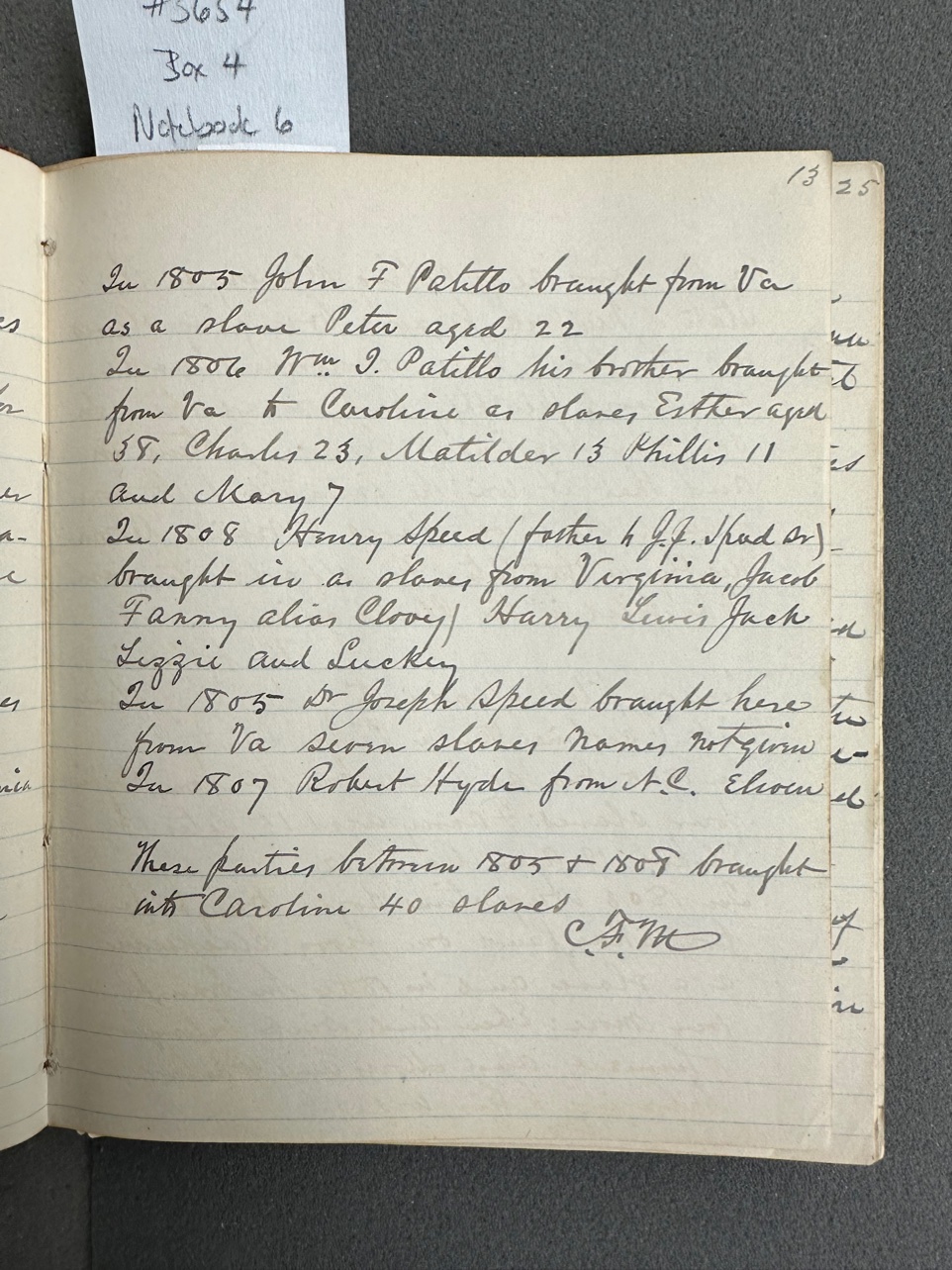
In 1805, John F. Patillo brought from Va as a slave, Peter, aged 22. In 1806, William J. Patillo, his brother brought from Va to Caroline as slaves: Esther, aged 38, Charles, 23, Matilda, 13, Phillis, 11 and Mary, 7. In 1808, Henry Speed (father to J.J. Speed, Sr.) brought in as slaves from Virginia: Jacob, Fanny alias Clovy, Harry, Lewis, Jack, Lizzie and Lucky. In 1805, Dr. Joseph Speed brought seven slaves from Virginia here. Names not given.
These parties between 1805 & 1808 brought into Caroline 40 slaves. C.F.M
VI_9572
16
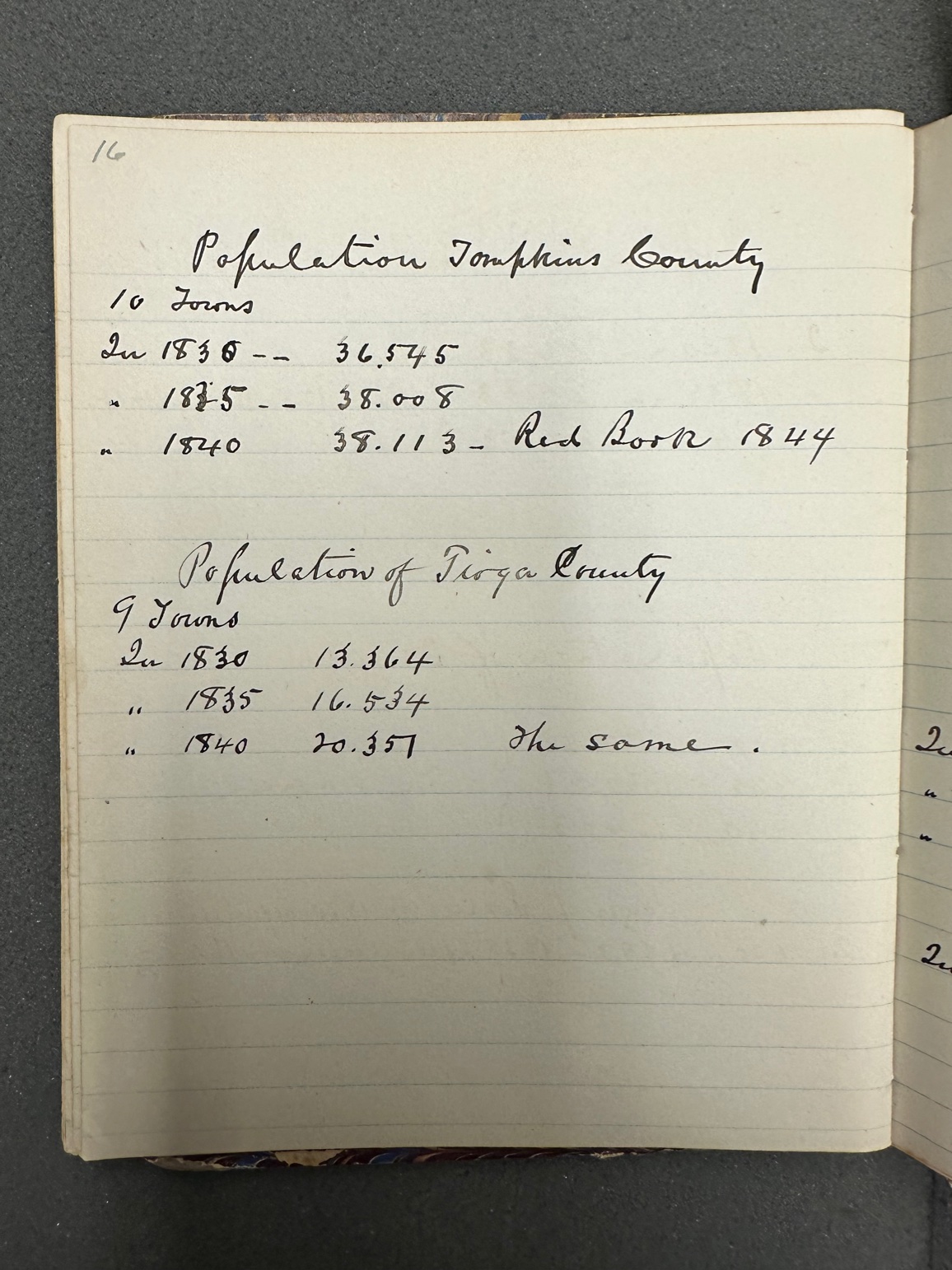
Population of Tompkins County 10 Towns In 1830 -- 36, 545 In 1835 -- 38, 008 In 1840 -- 38, 113 - From Red Book 1844
Population of Tioga County 9 Towns In 1830 -- 13, 364 In 1835 -- 16,534 In 1840 -- 20, 351 - Same as above.
VI_9573
17
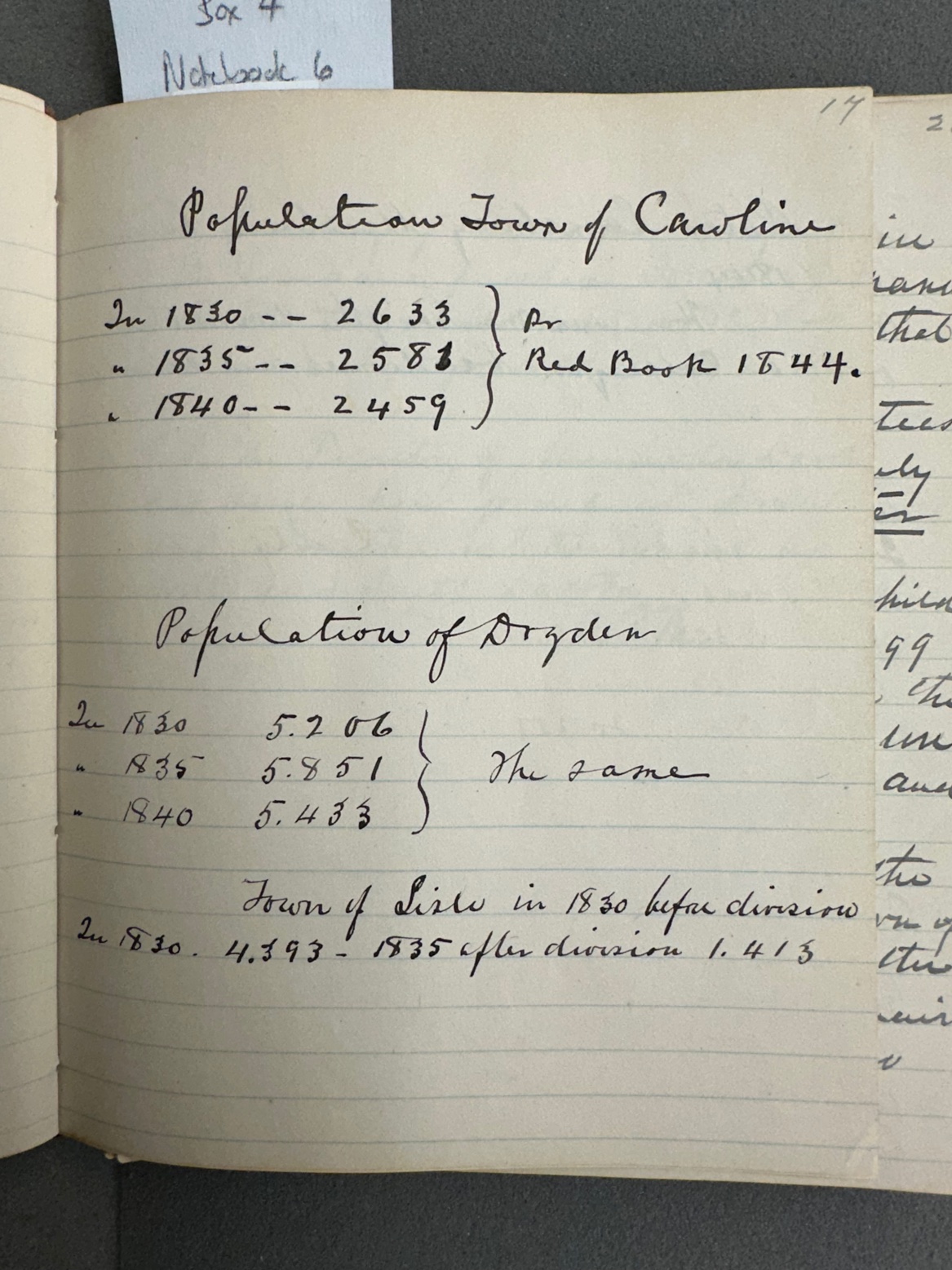
Population Town of Caroline
In 1830 -- 2,633
In 1835 -- 2581
In 1840 -- 2459
- From Red Book, 1844
Population of Dryden
In 1830 -- 5,206 In 1835 -- 5,851 - The same In 1840 -- 5,433
Town of Lisle
In 1830 -- 4,393 before division 1n 1835 --1,413 after division
VI_9574
18
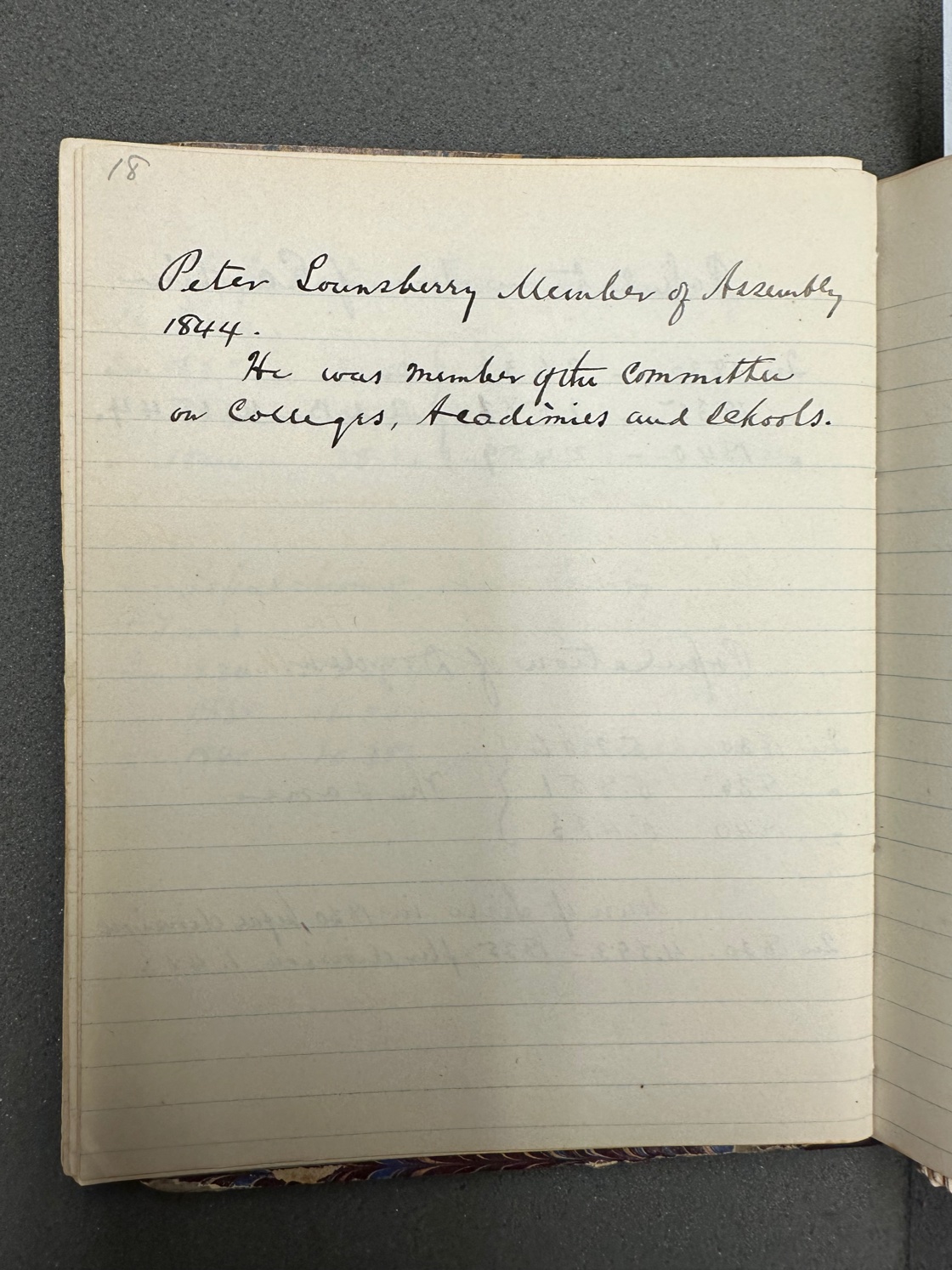
Peter Lounsberry, Member of Assembly, 1844. He was a member of the Committee on Colleges, Academies, and Schools.
VI_9575
19
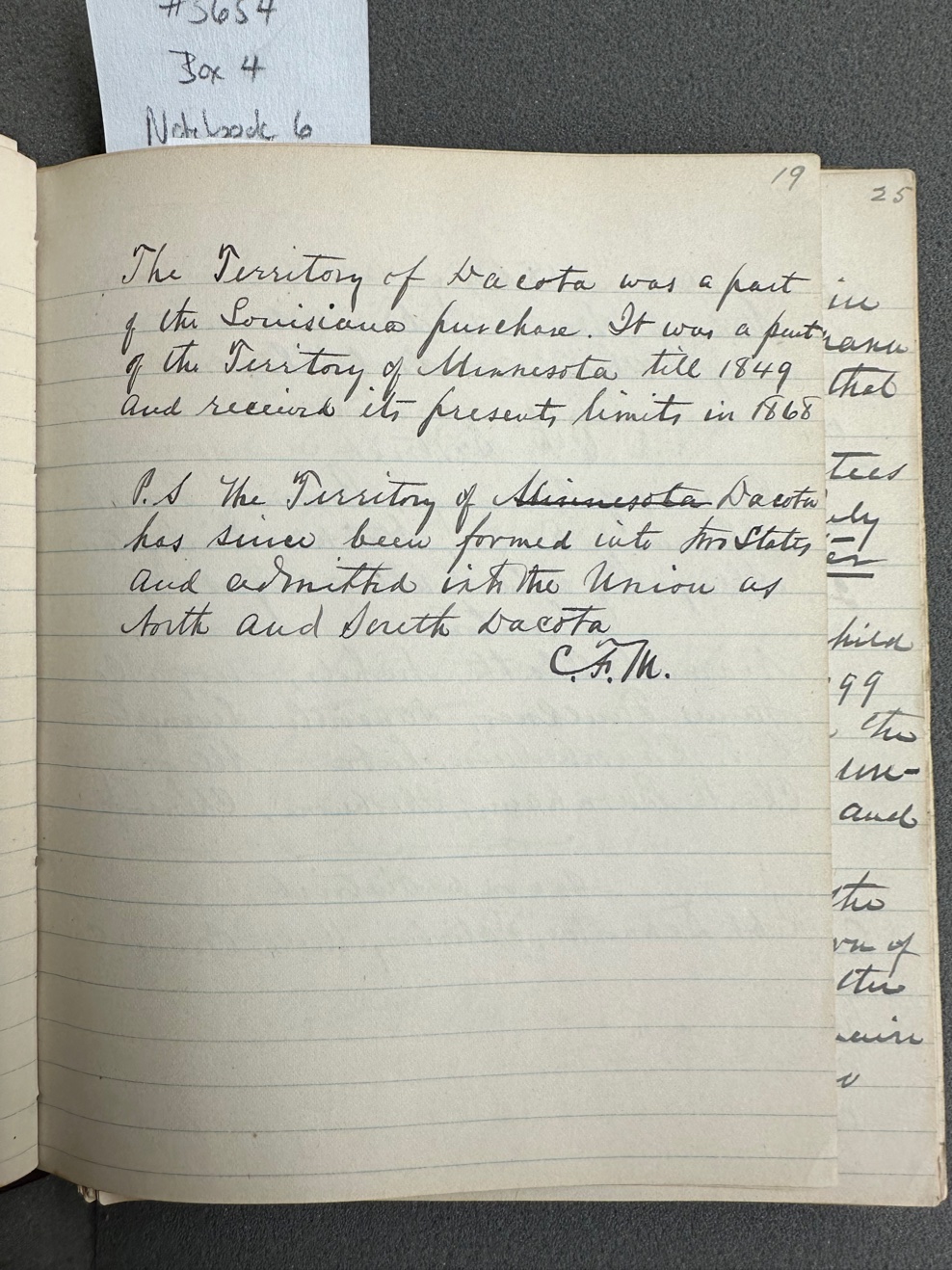
The Territory of Dakota was a part of the Louisiana Purchase. It was a part of the Territory of Minnesota til 1849 and received its present limits in 1868.
PS. The Territory of Dakota has since been formed into two states and admitted into the Union as North and South Dakota. C.F.M.
VI_9576
20
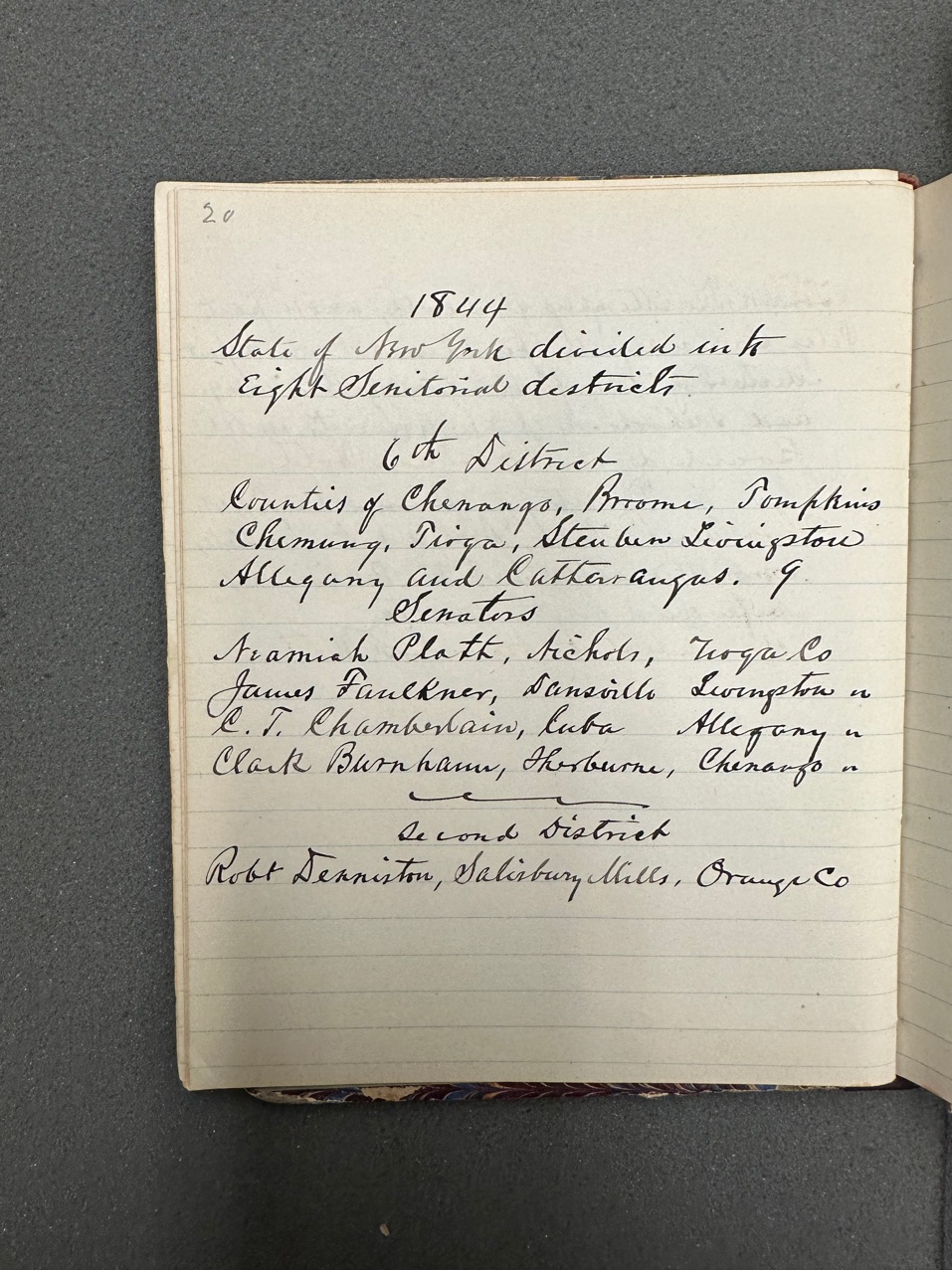
1844 The State of New York is divided into Eight Senatorial districts.
6th DISTRICT Counties of Chenango, Broome, Tompkins, Chemung, Tioga, Steuben, Livingston, Allegheny, and Cattaraugus.
9 Senators Aramiah Plath, Nichols, Tioga Co. James Faulkner, Dansville, Livingston Co. C.T. Chamberlain, Cuba, Allegheny Co. Clark Burnham, Sherburne, Chenango Co.
2nd District Robert Denniston, Salisbury Mills, Orange County.
VI_9577
21
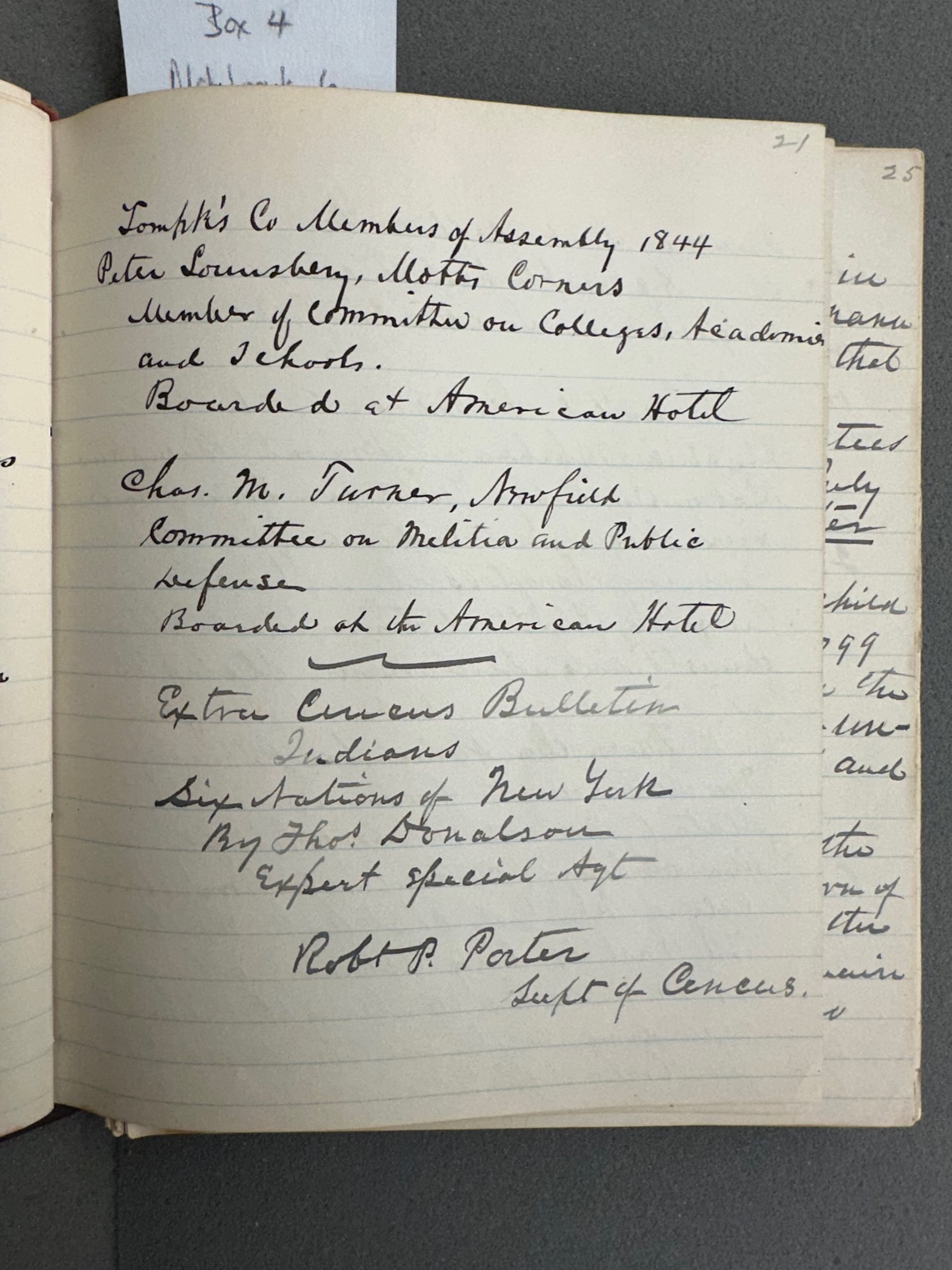
Tompkins Co Members of Assembly 1844 Peter Lounsbery, Motts Corners Member of the Committee on Colleges, Academics, and Schools Boarded at the American Hotel
Charles M. Turner, Newfield Committee on Militia and Public Defense Boarded at the American Hotel
Extra Census Bulletin Indians Six Nations of New York By Thomas Donalson Expert Special Sgt
Robert Porter, Supt. of Census Supt of Census
VI_9578
22
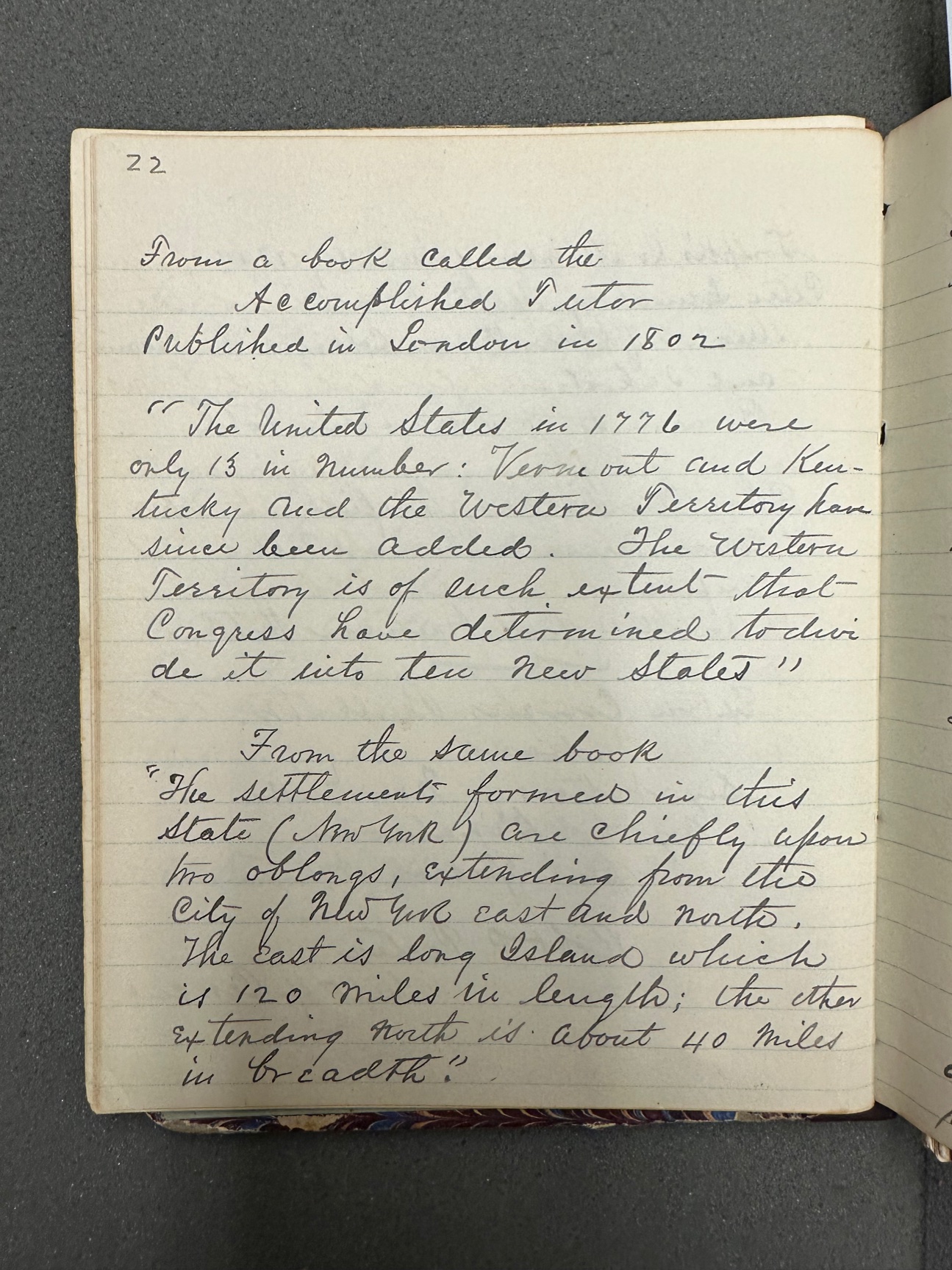
From a book called the Accomplished Tutor. Published in London in 1802.
"The United States in 1776 was only 13 in number. Vermont and Kentucky, and the Western Territory, have since been added. The Western Territory is of such extent that Congress have determined to divide it into ten new states."
From the same book: "The settlements formed in this state (New York) are chiefly upon two oblongs, extending from the City of New York East and North. The East is Long Island, which is 120 miles in length; the other extending north is about 40 miles in breadth."
VI_9579
23
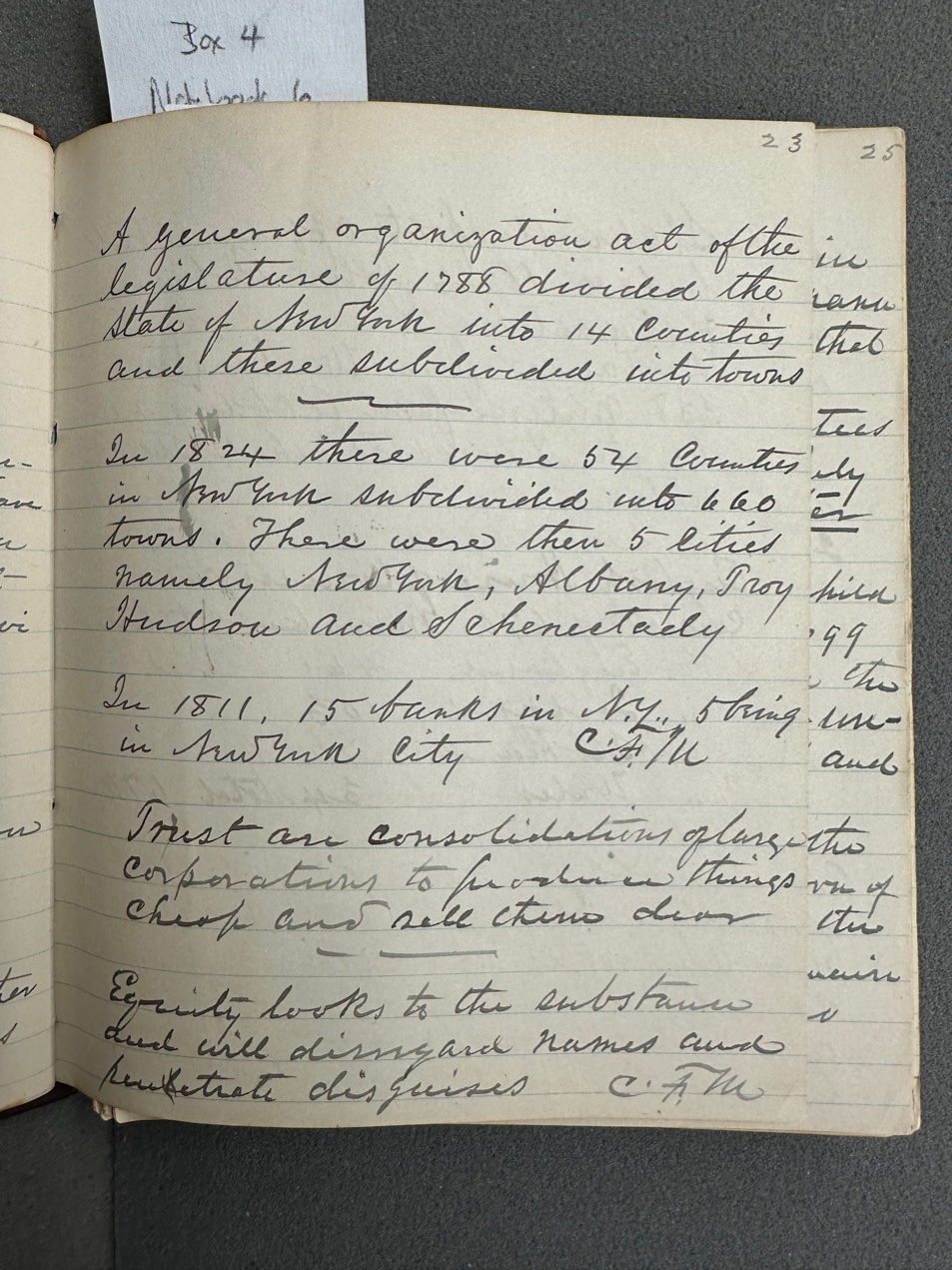
A general organization act of the legislature in 1788 divided the State of New York into 14 counties and these were subdivided into towns.
In 1824, there were 54 counties in New York, which in turn were subdivided into 660 towns. There were then 5 cities, namely New York, Albany, Troy, Hudson, and Schenectady.
In 1811, 15 banks were in New York. 5 were in New York City. - C.F.M.
Trusts are consolidations of large corporations to produce things cheaply and sell them dear.
Equity looks to the substance and will disregard names and penetrate disguises. -C.F.M.
VI_9580
24
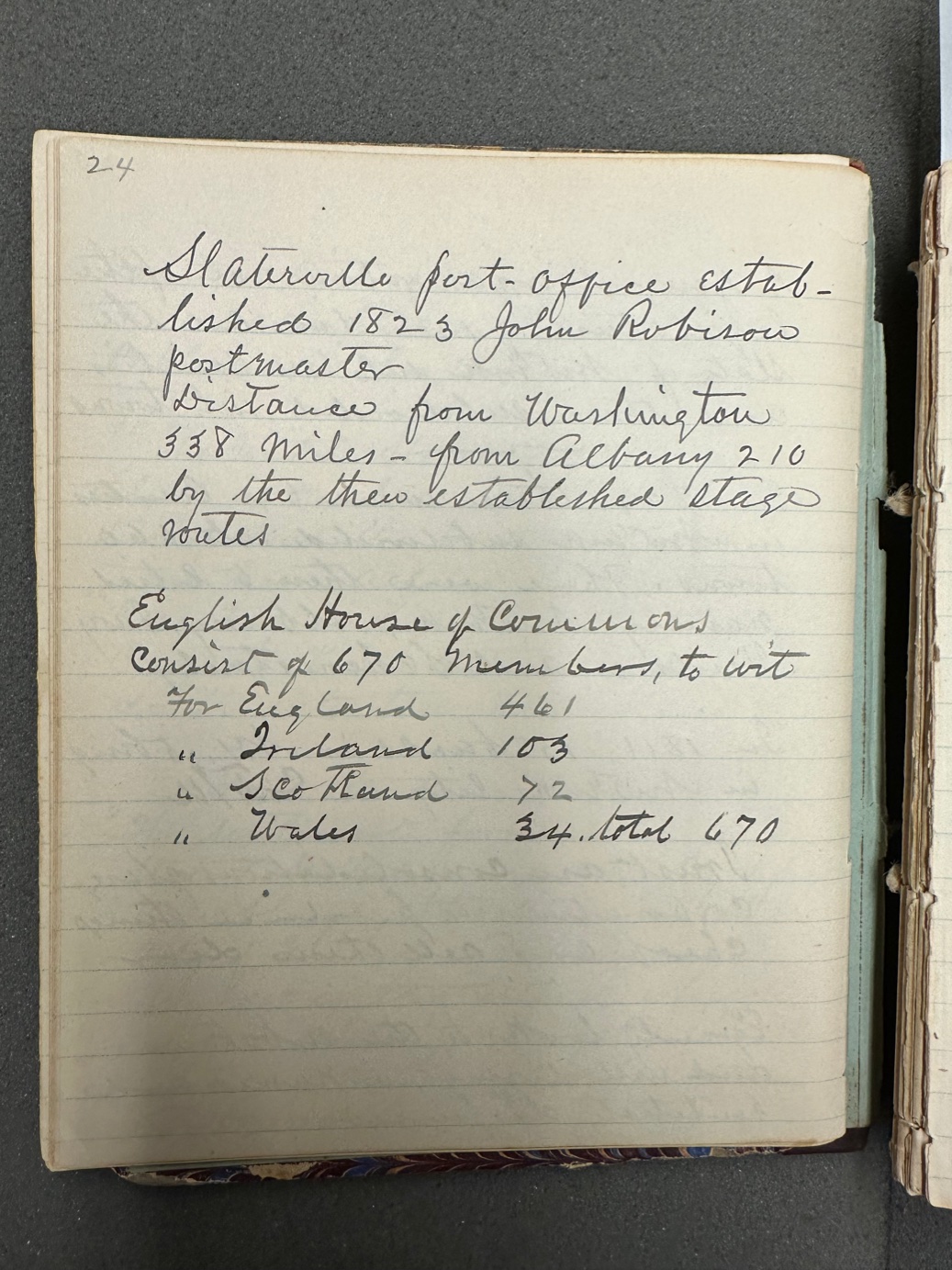
The Slaterville post office was established in 1823. John Robison, postmaster.
Distance from Washington is 338 miles. From Albany, 210 by the then-established state routes.
The English House of Commons consists of 670 members, to wit For England 461 members " Ireland 103 " Scotland 72 " Wales 34 Total 670
VI_9581
25
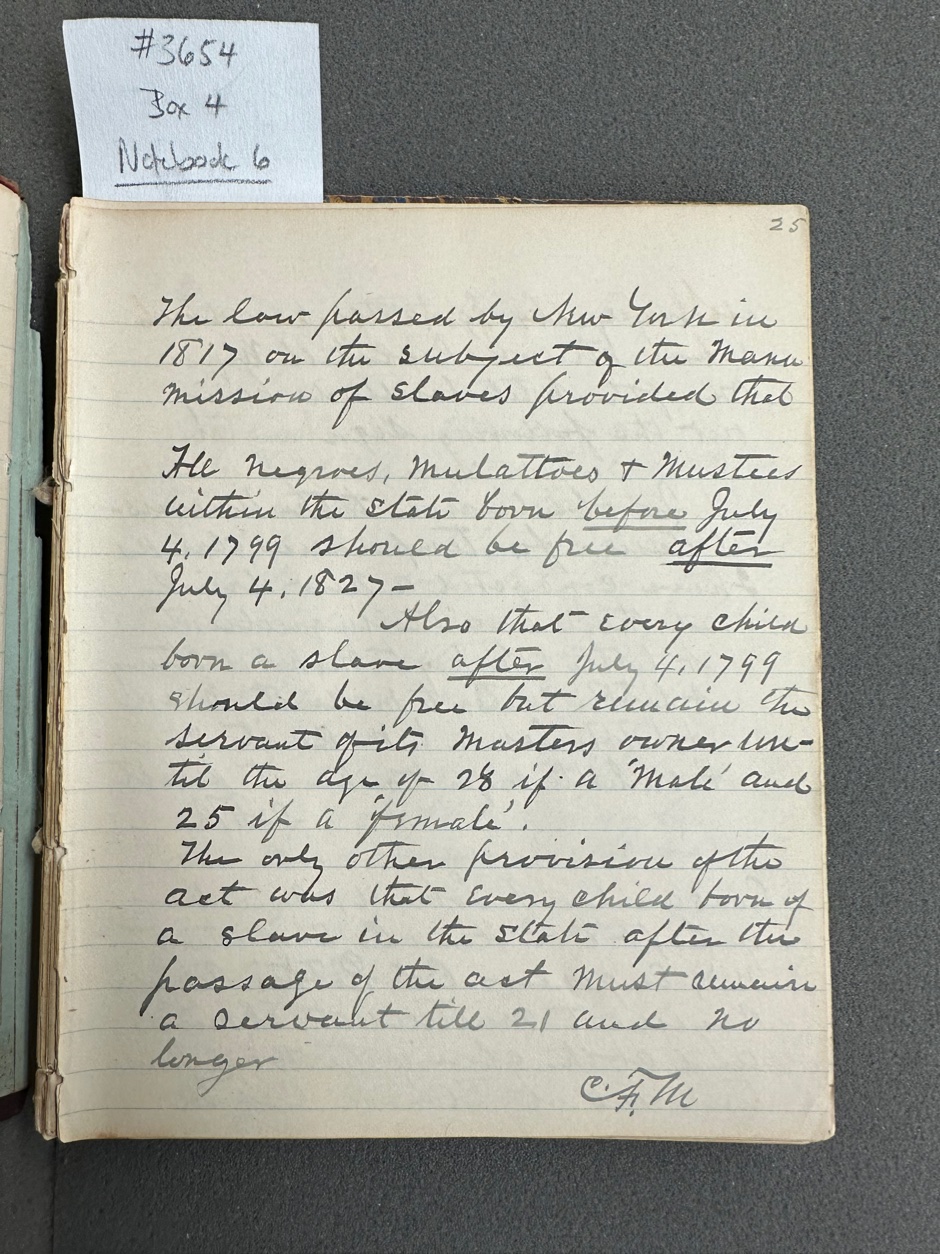
The law passed by New York in 1817 on the subject of the manumission of slaves provided that:
All negroes, mulattoes, and musters within the state born before July 4, 1799, should be free after July 4, 1827.
Also, that every child born to a slave after July 4, 1799, should be free but remain the servant of his/her master until the age of 28 if a male and 25 if a female.
The only other provision of the act was that every child born of a slave in the state after the passage of the act must remain a servant til 21 and no longer. - C.F.M.
VI_9582
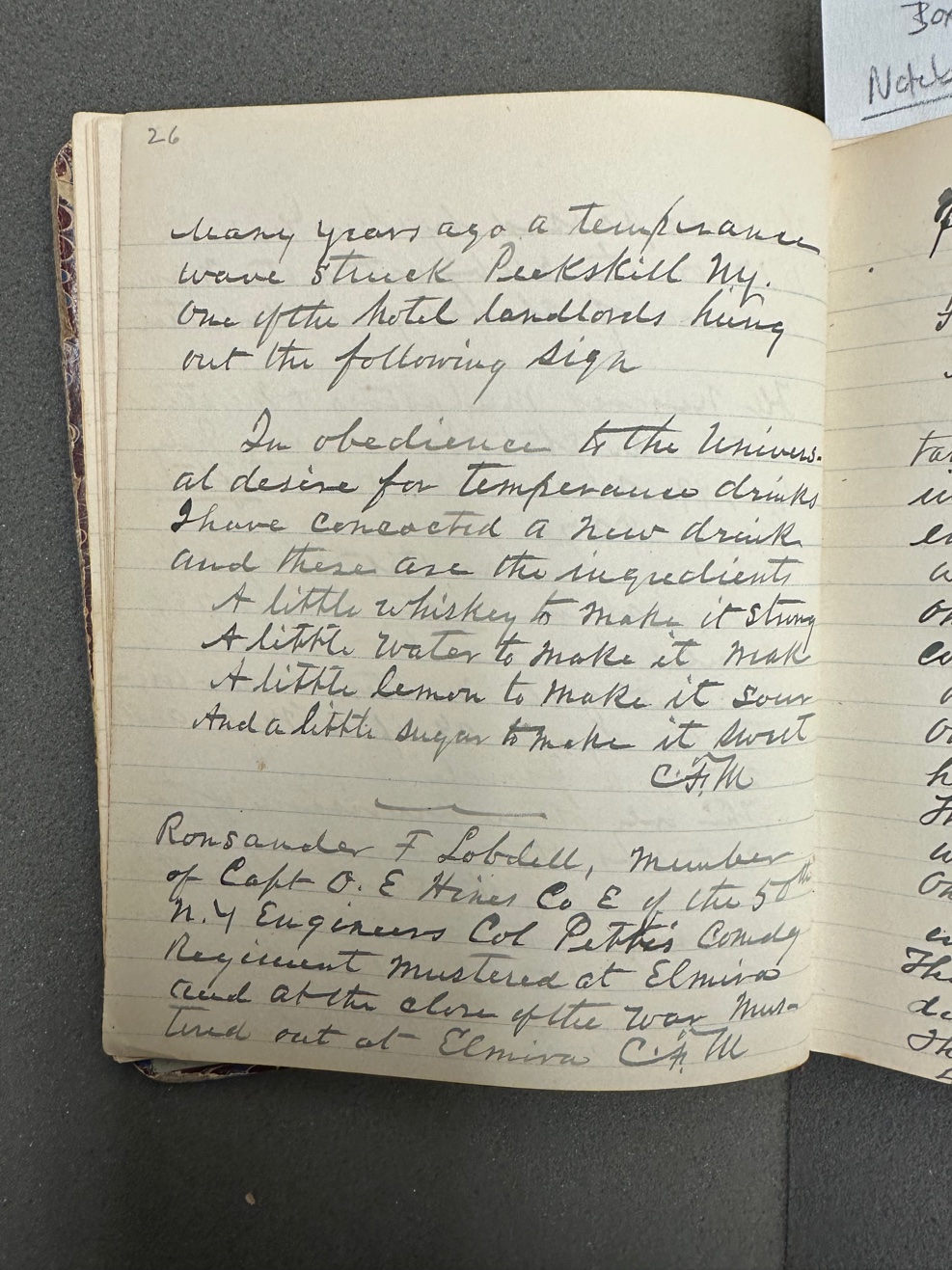
26
Many years ago, a temperance wave struck Peekskill, NY. One of the hotel landlords hung out the following sign:
In obedience to the universal desire for temperance drinks, I have concocted a new drink, and these are the ingredients: A little whiskey to make it strong A little water to make it weak A little lemon to make it sour And a little sugar to make it sweet. - C.F.M.
Ronsander F. Lobdell, member of Capt. O. E. Hines Co., East of the 50th NY Engineers, Col. Pettis, Commanding Regiment, mustered at Elmira and, at the close of the war, mustered out at Elmira. - C.F.M.
VI_9583
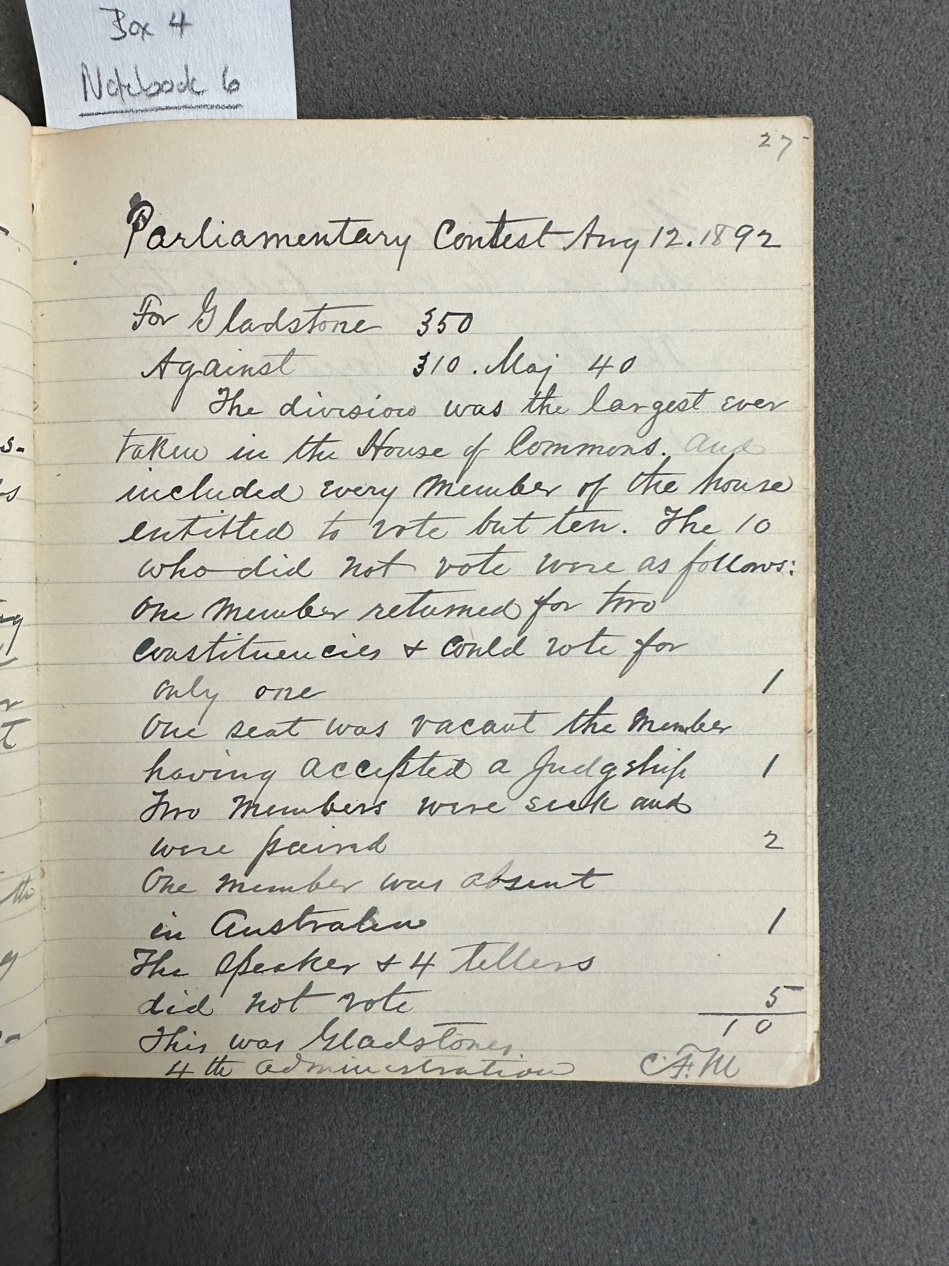
27
Parliamentary Contest on August 12, 1892
For Gladstone 350 Against 310 Majority 40
The division was the largest ever taken in the House of Commons and included every member of the House entitled to vote but ten. The ten who did not vote were as follows:
- One member returned for two constituencies and could only vote for one.
- One seat was vacant. The member had
accepted a Judgeship.
- Two members were sick and were in pain.
- One member was absent in Australia.
- The Speaker and 4 tillers did not vote.
This was Gladstone's 4th administration. - C.F.M.
VI_9584
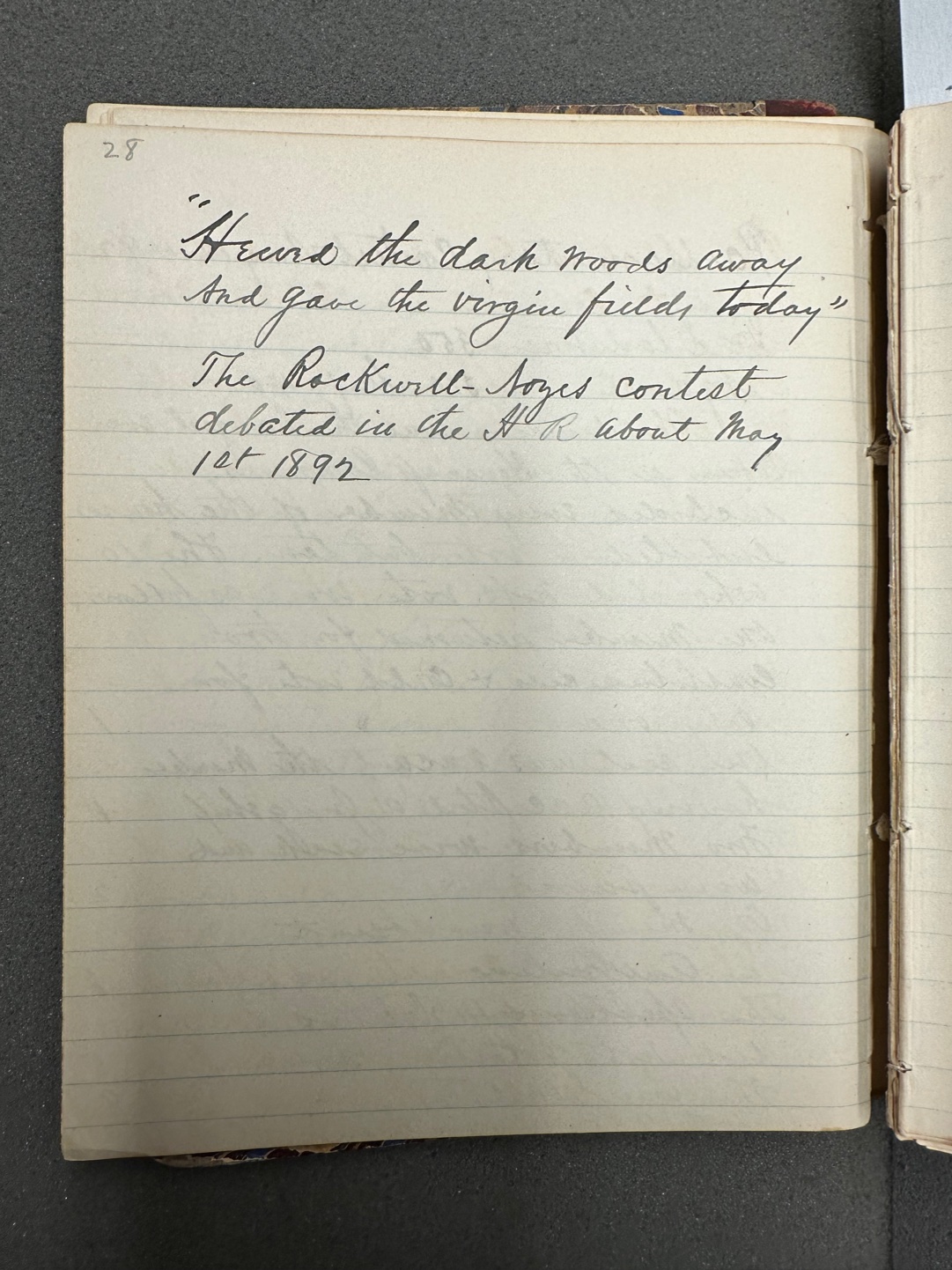
28
"Heard the dark woods away And gave the virgin fields today."
The Rockwell-Noyes Contest was debated in the HR about May 1, 1892.
VI_9585
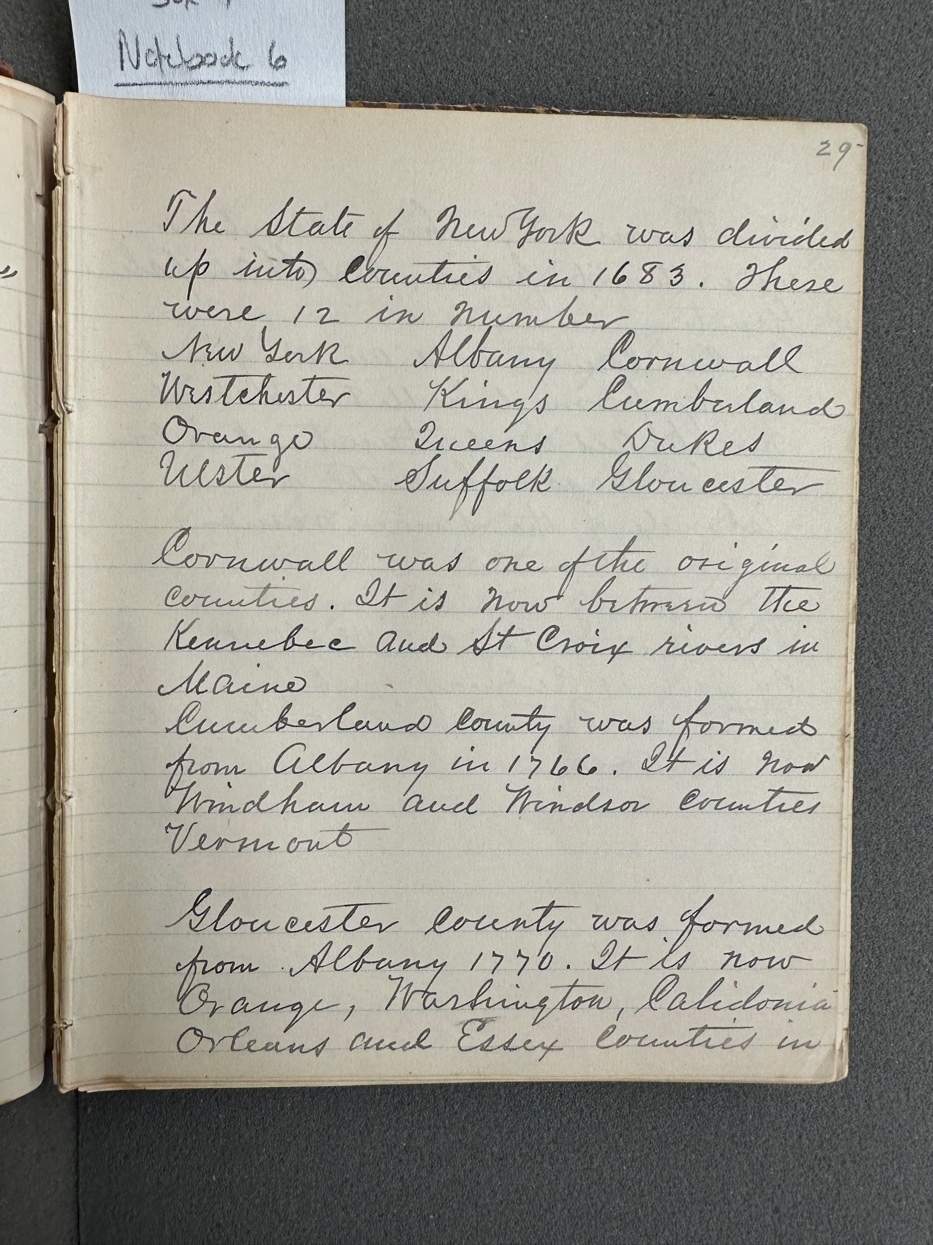
29
The State of New York was divided into counties in 1683. These were 12 in number: New York Albany Cornwall Westchester Kings Cumberland Orange Queens Dukes Ulster Suffolk Gloucester
Cornwall was not one of the original counties. It is now between the Kennebec and St. Croix rivers in Maine. Cumberland County was formed from Albany in 1766. It is now Windham and Windsor counties in Vermont.
Gloucester County was formed from Albany in 1779. It is now Orange, Washington, Caledonia, Orleans, and Essex counties in
VI_9586
30
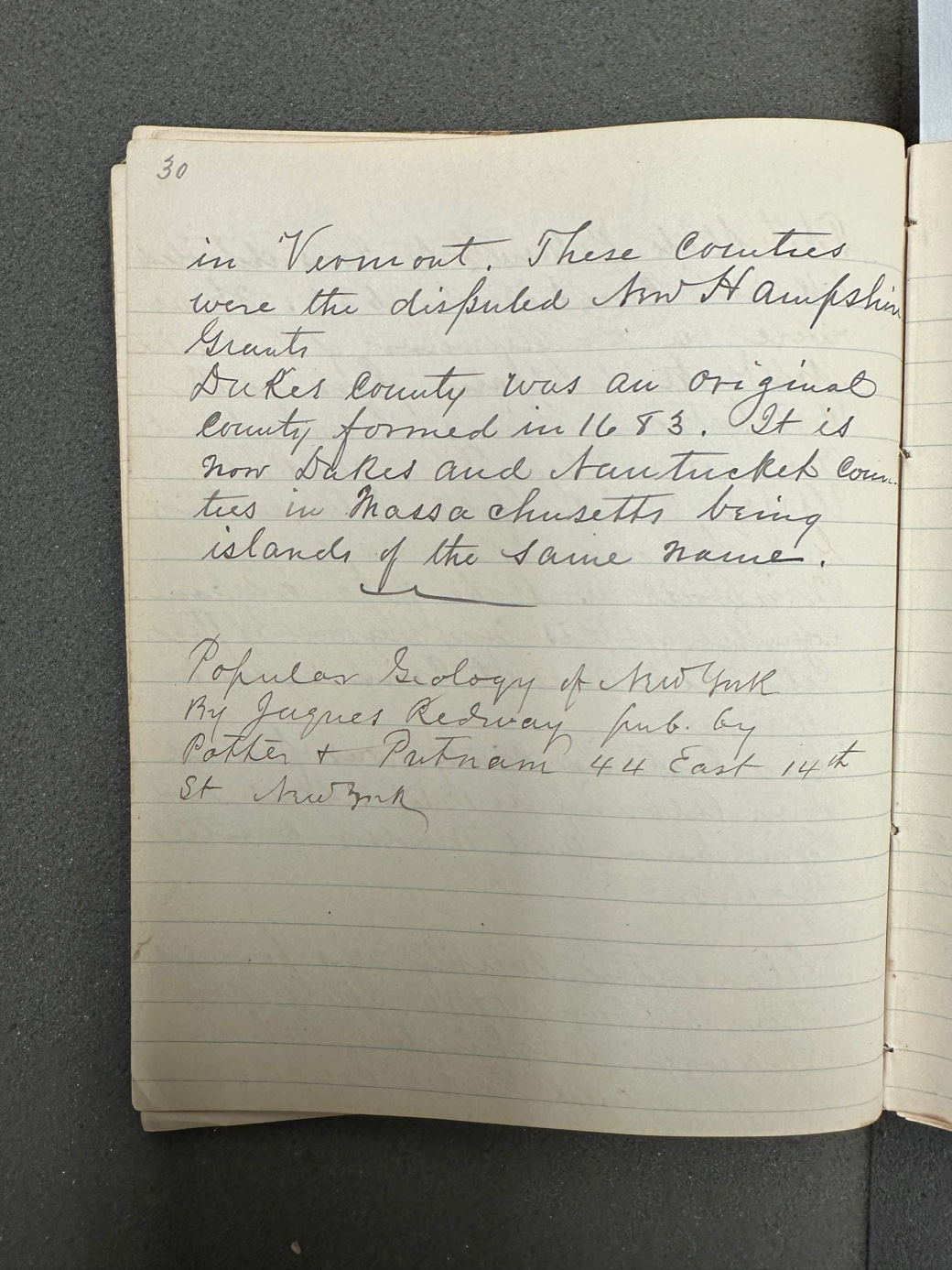
in Vermont. These counties were the disputed New Hampshire Grants. Dukes County was an original county formed in 1683. It is now Dukes and Nantucket Counties in Massachusetts, being islands of the same name.
Popular Geology of New York by Jacques Redway, pub. by Potter & Putnam, 44 East 14th St. New York
VI_9587
31
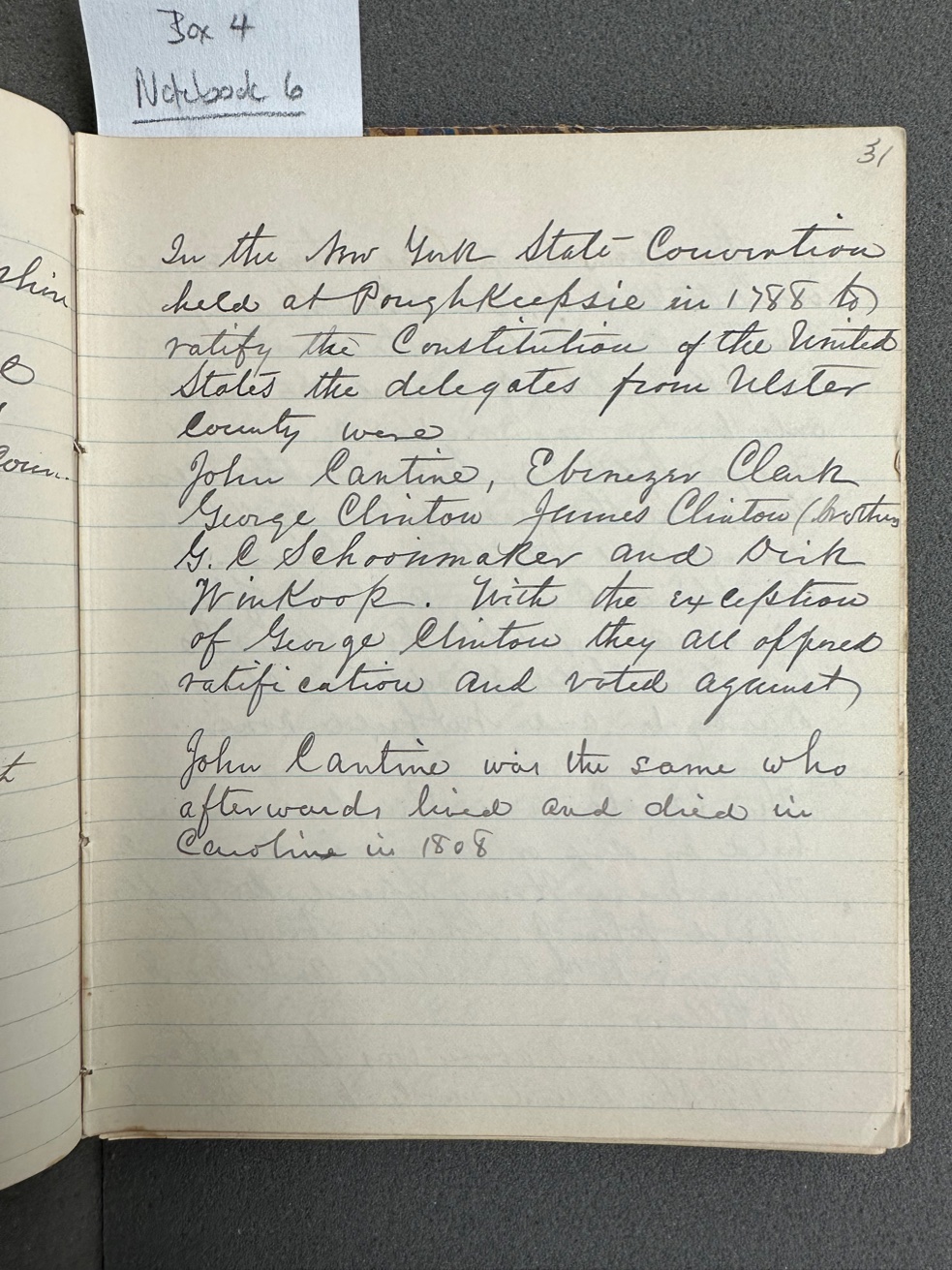
In the New York State Convention held at Poughkeepsie in 1788 to ratify the Constitution of the United States, the delegates from Ulster County were: John Cantine, Ebenezer Clark, George Clinton, James Clinton (brother), G.C. Schoonmaker, and Dick Wincook. Except for George Clinton, they all opposed ratification and voted against.
John Cantine was the same who afterwards lived and died in Caroline in 1808.
VI_9588
32
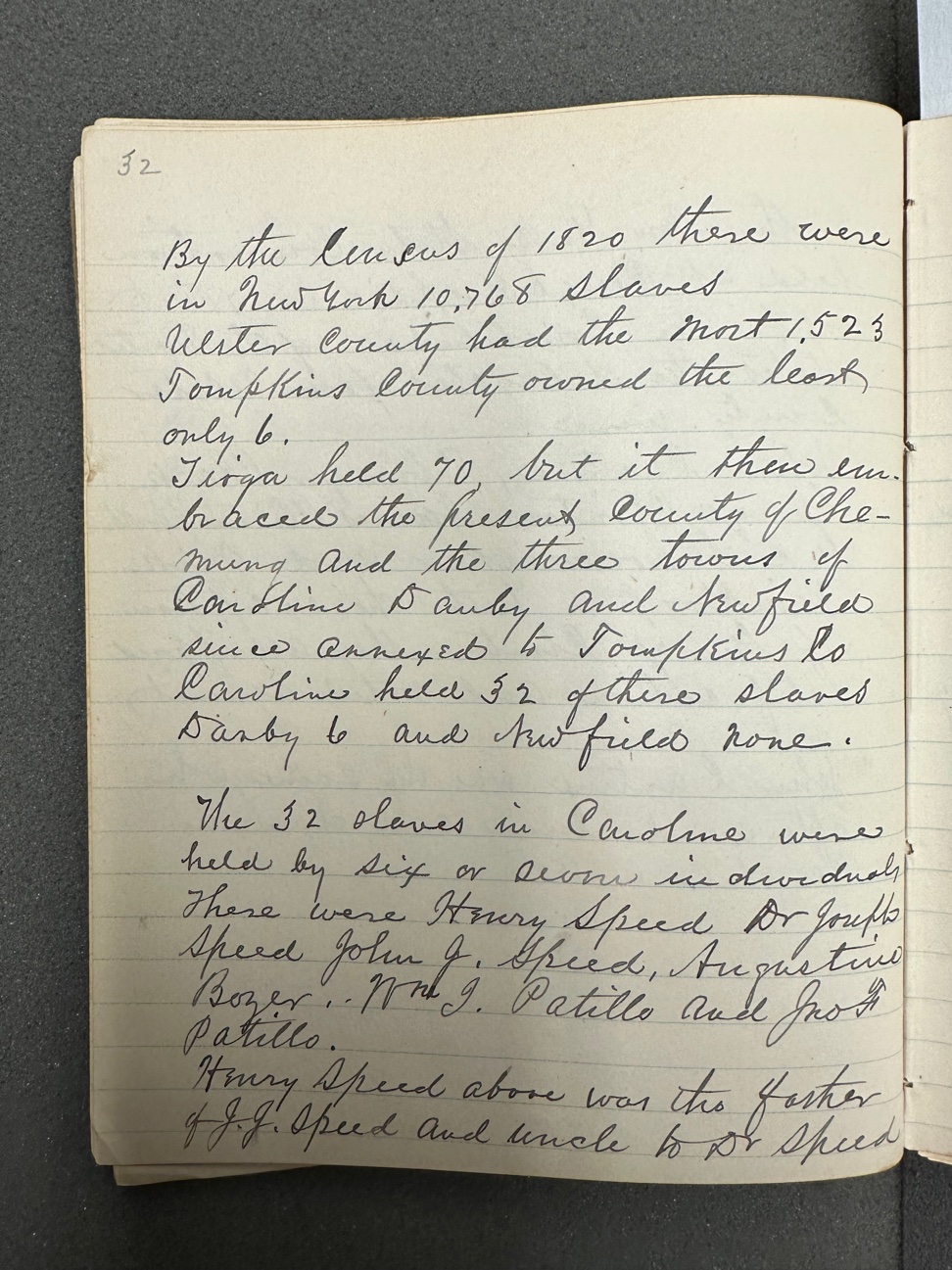
By the Census of 1820, there were 10,768 slaves in New York. Ulster County had 1,523 slaves, which was the most. Tompkins County held the fewest, with 6 slaves. Tioga held 70, but it then included the present County of Chemung and the three towns of Caroline, Danby, and Newfield. Since annexed to Tompkins County, Caroline held 32 of the slaves, Danby had 6, and Newfield had none.
The 32 slaves in Caroline were held by six or seven individuals. They were Henry Speed, Dr. Joseph Speed, John J. Speed, Augustine Boyer, William J. Patillo, and Joseph Patillo. Henry Speed was the father of J.J. Speed and the uncle of Dr. Speed.
VI_9589
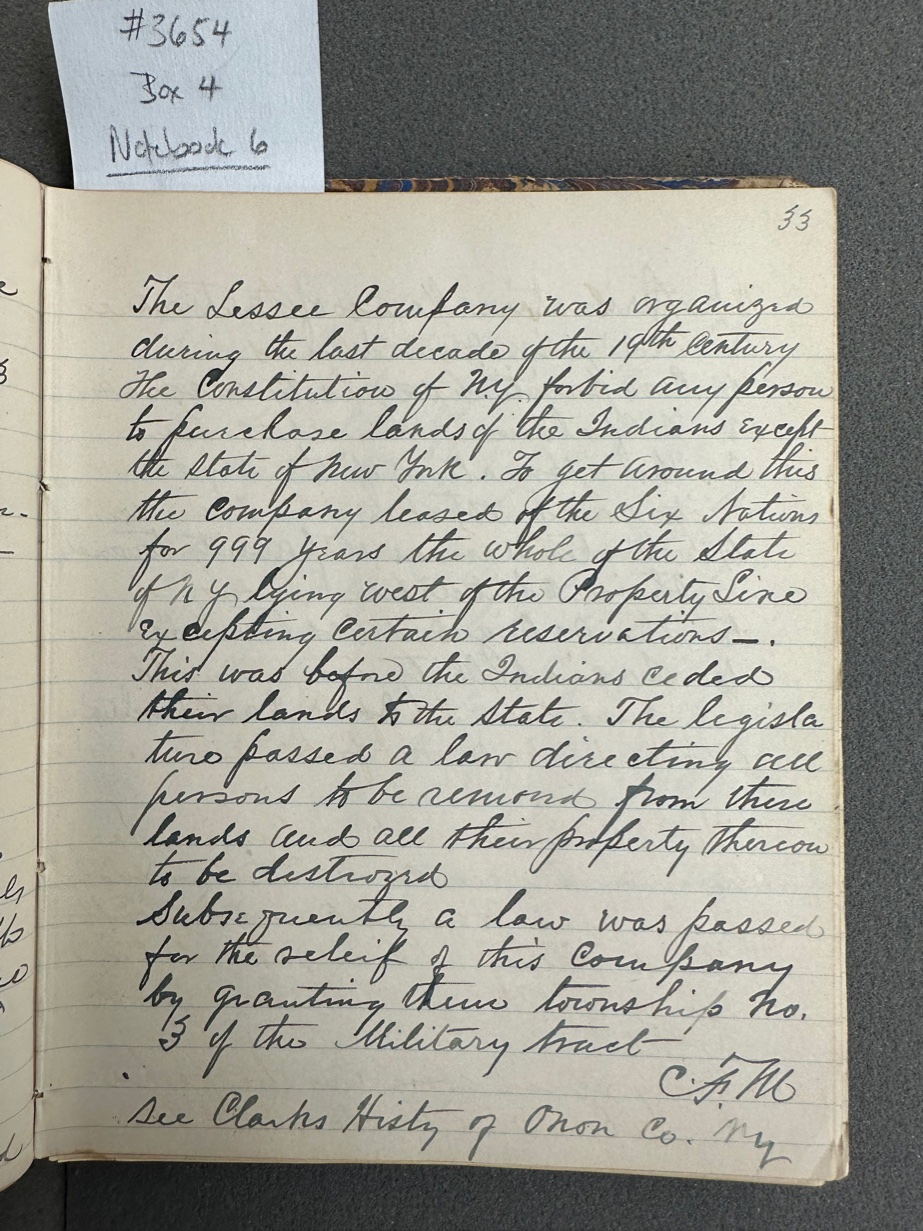
The Lessee Company was organized during the last decade of the 19th century. The Constitution of New York State forbids any person from purchasing lands from the Indians except the State of New York. To get around this, the company leased from the Six Nations. The whole of the State of NY lying west of the Property Line. Certain reservations were granted an exception. This was before the Indians ceded their lands to the State. The NYS Legislature passed a law directing all persons to be removed from these lands and all their property thereon to be destroyed. Subsequently, a law was passed for the relief of this company by granting their township No. 3 of the Military tract. C.F.M.
See Clark's History of Onondaga County, NY.
VI_9590
VI_9591
VI_9592
VI_9593
VI_9594
VI_9595
VI_9596
VI_9597
VI_9598
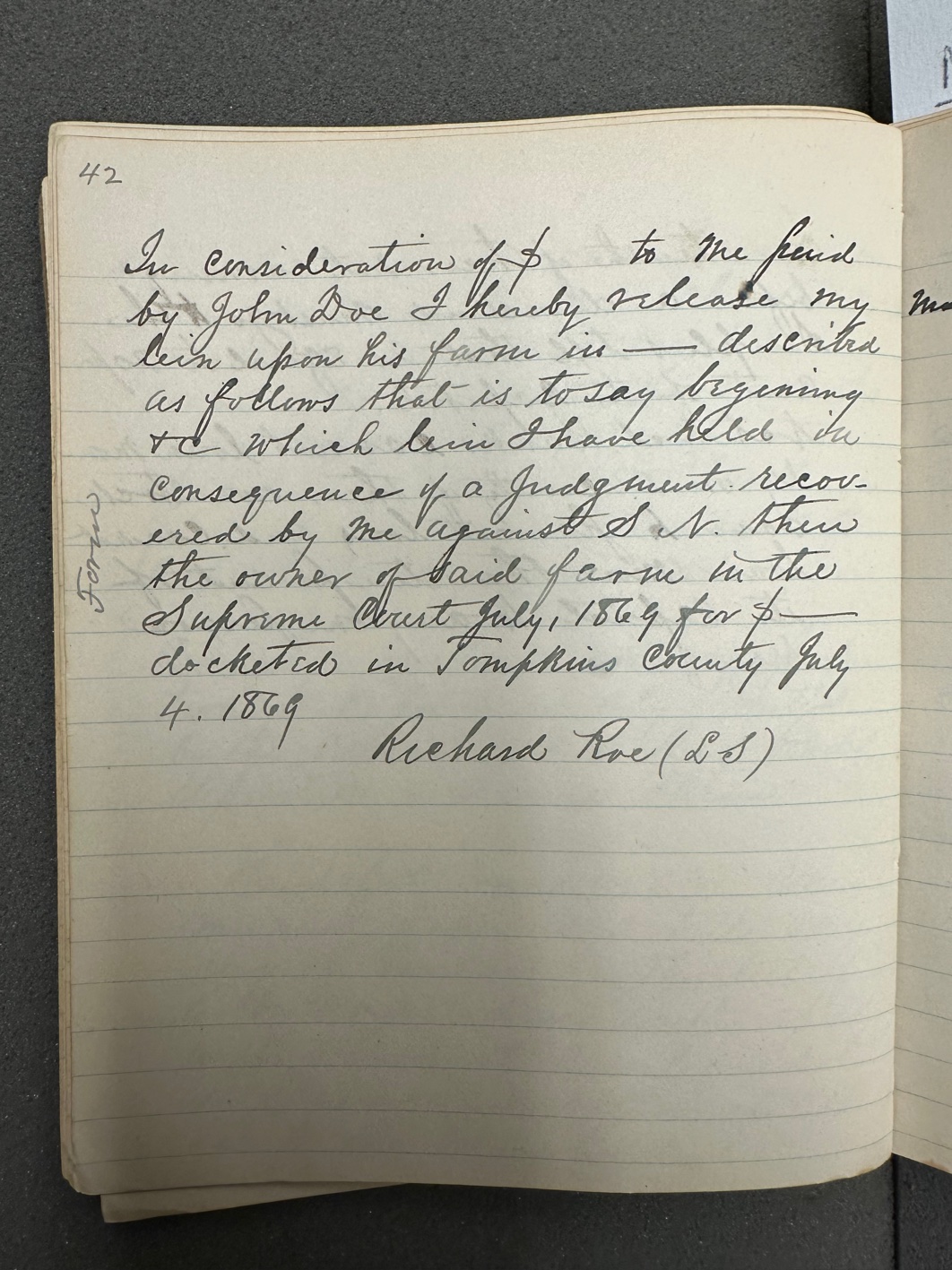
VI_9599
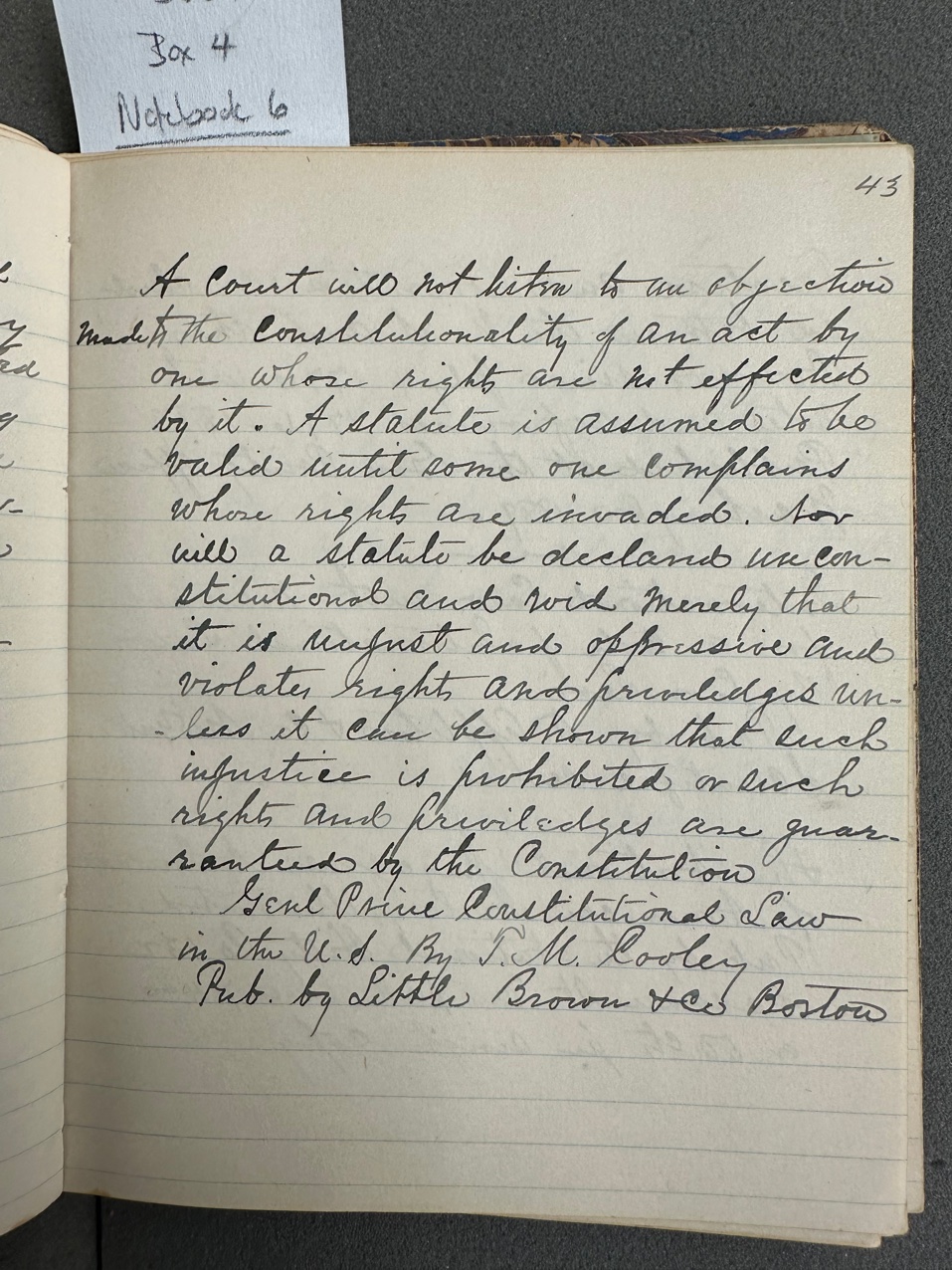
VI_9601
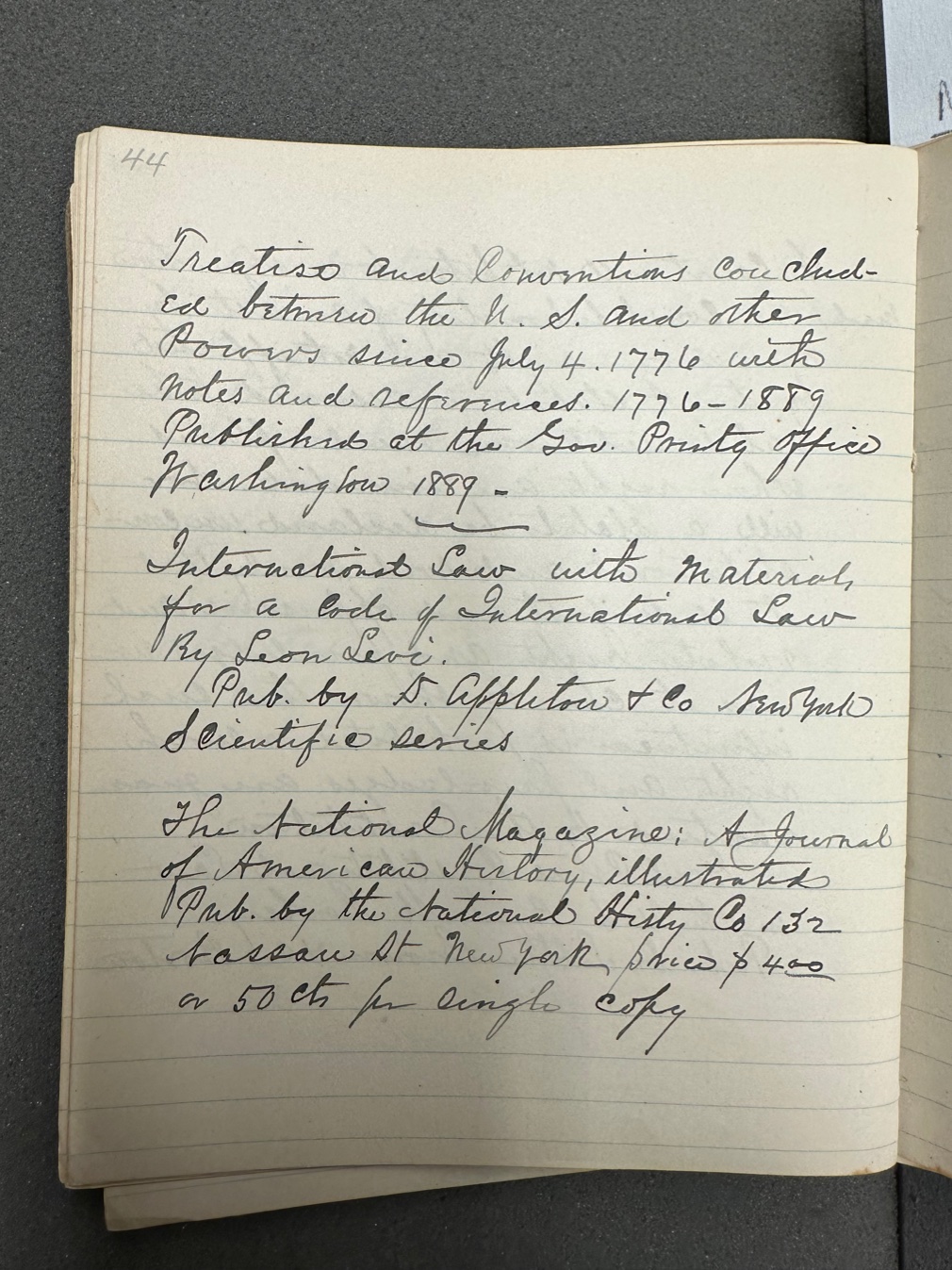
VI_9602
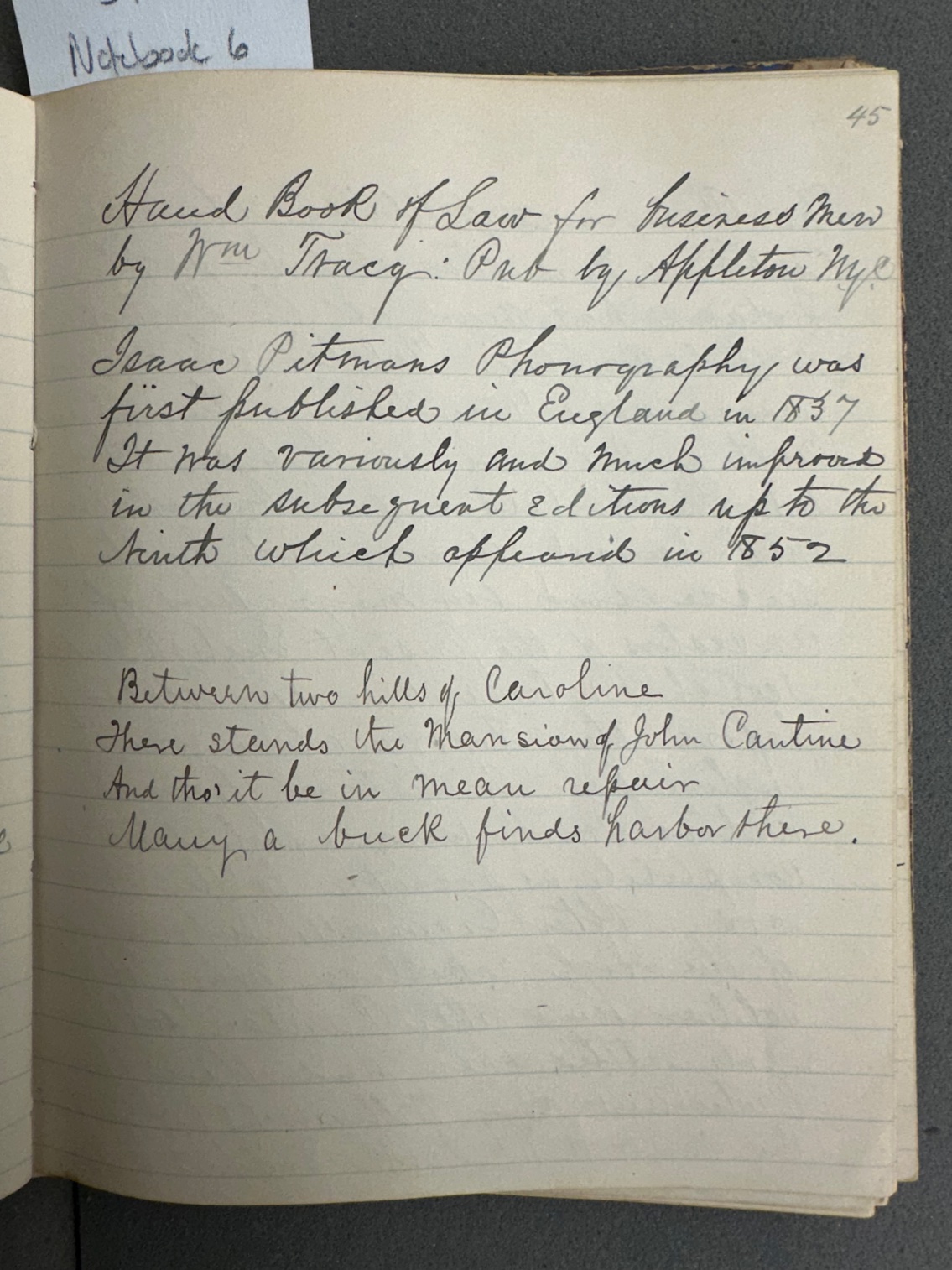
VI_9603
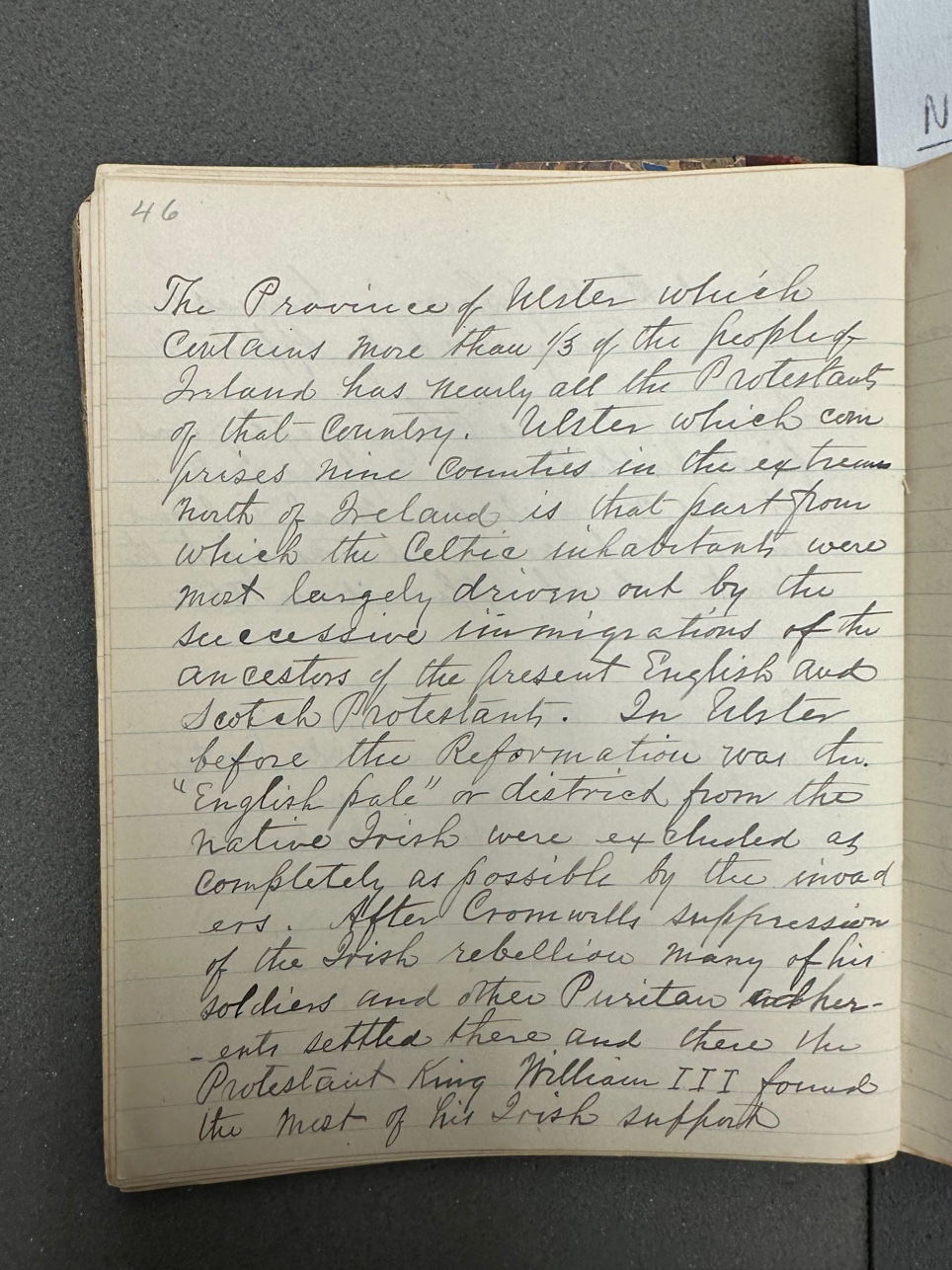
VI_9604
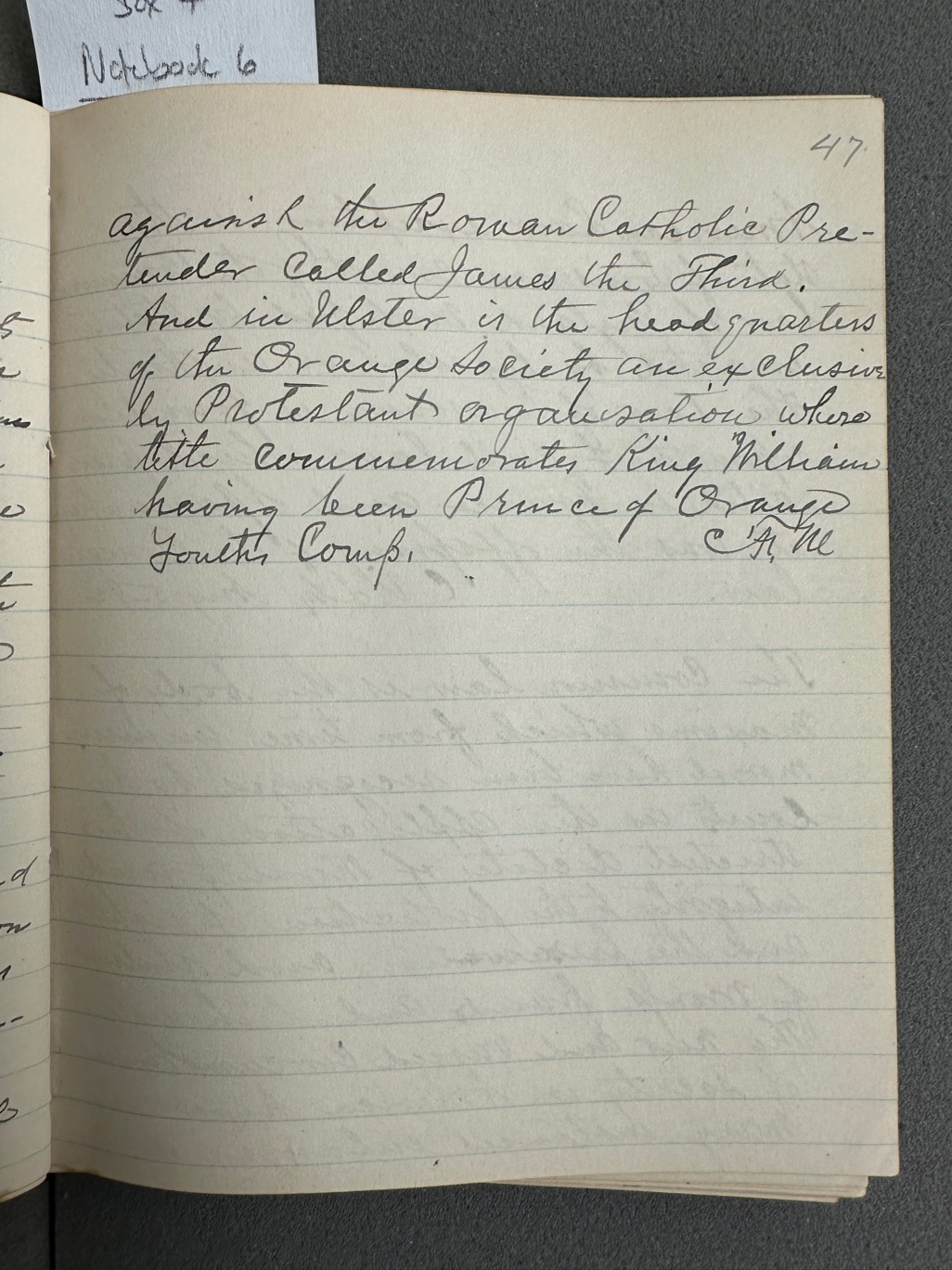
VI_9606
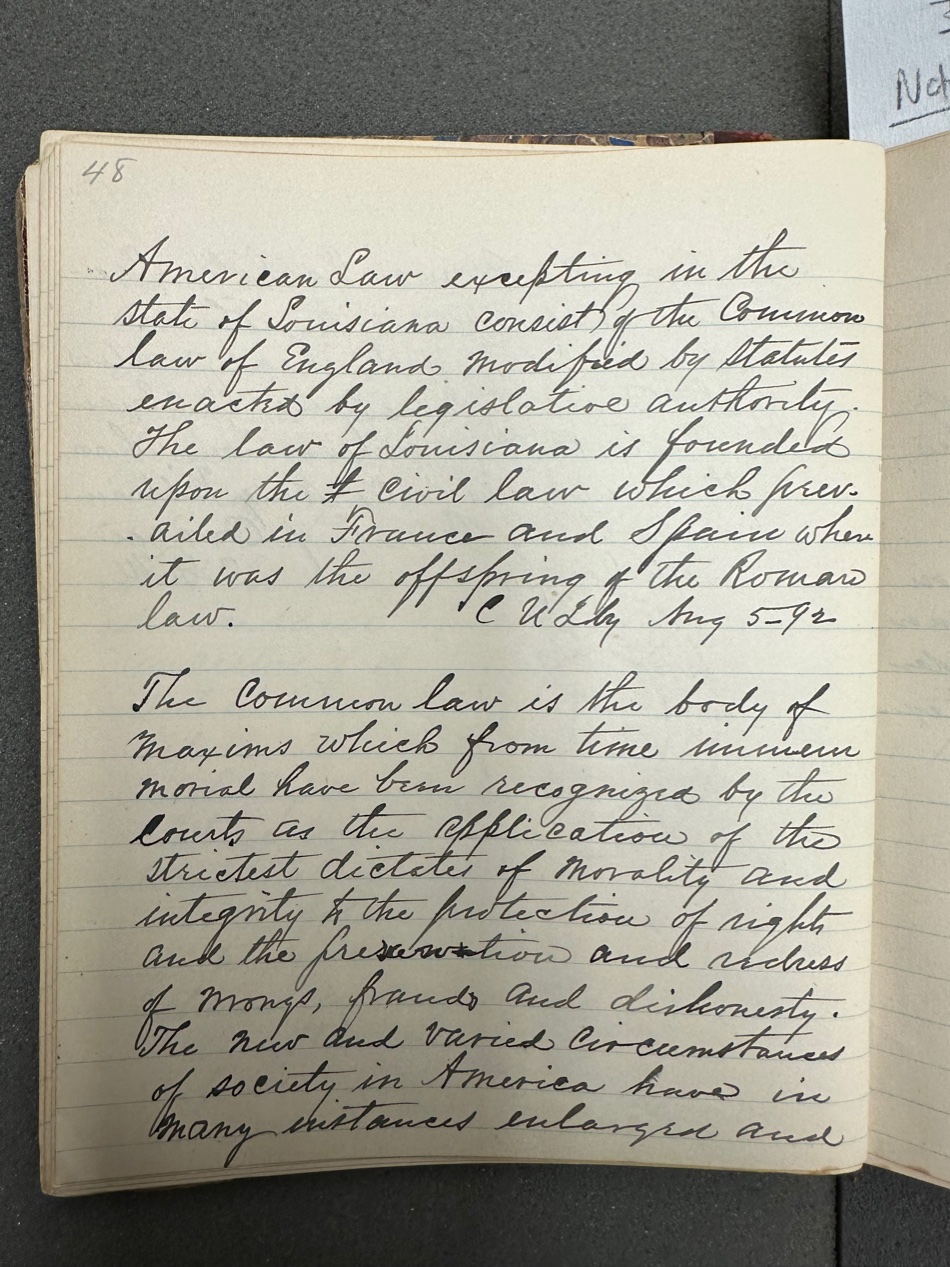
VI_9607
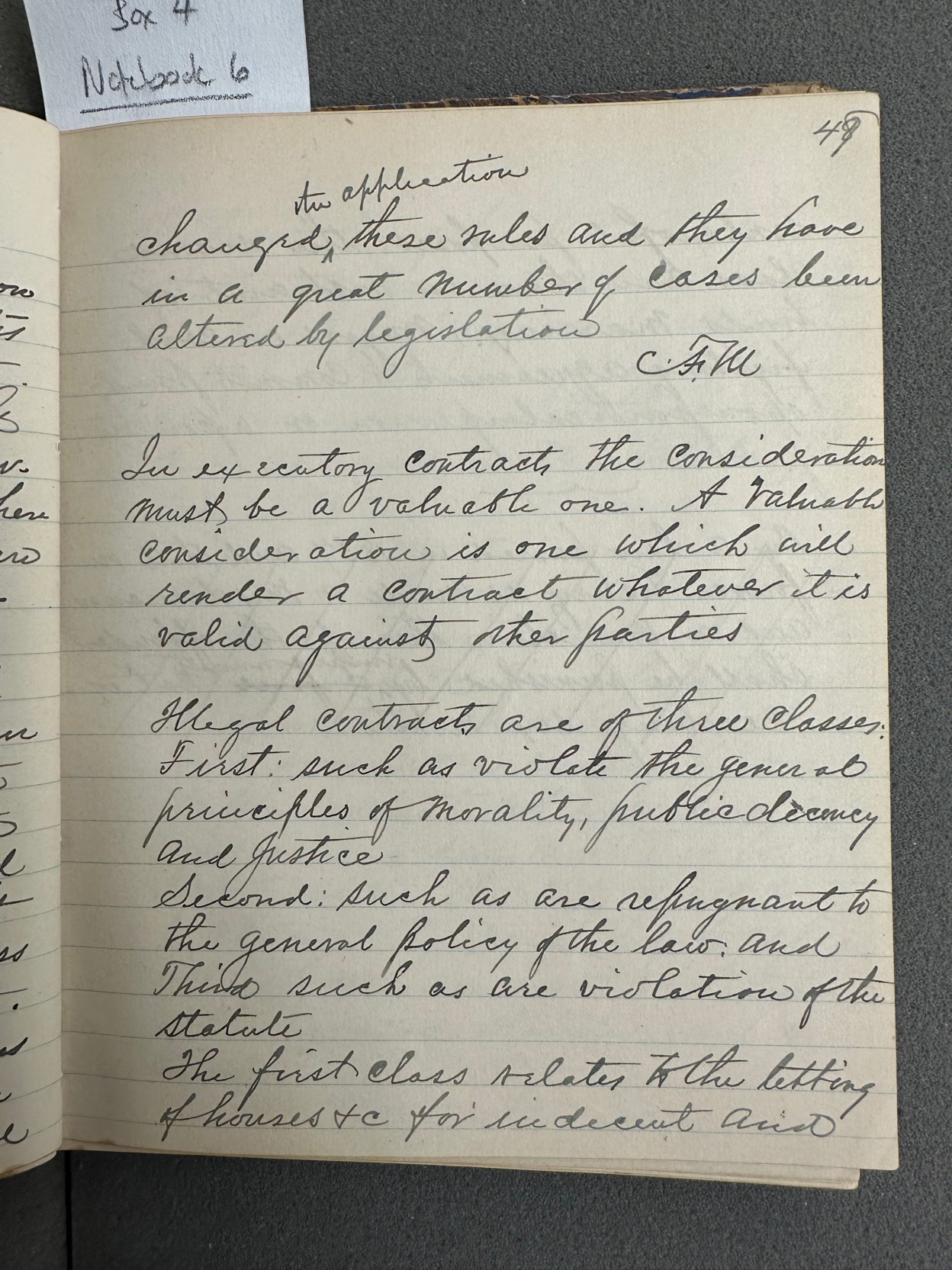
VI_9608
VI_9609
VI_9610
VI_9611
VI_9612
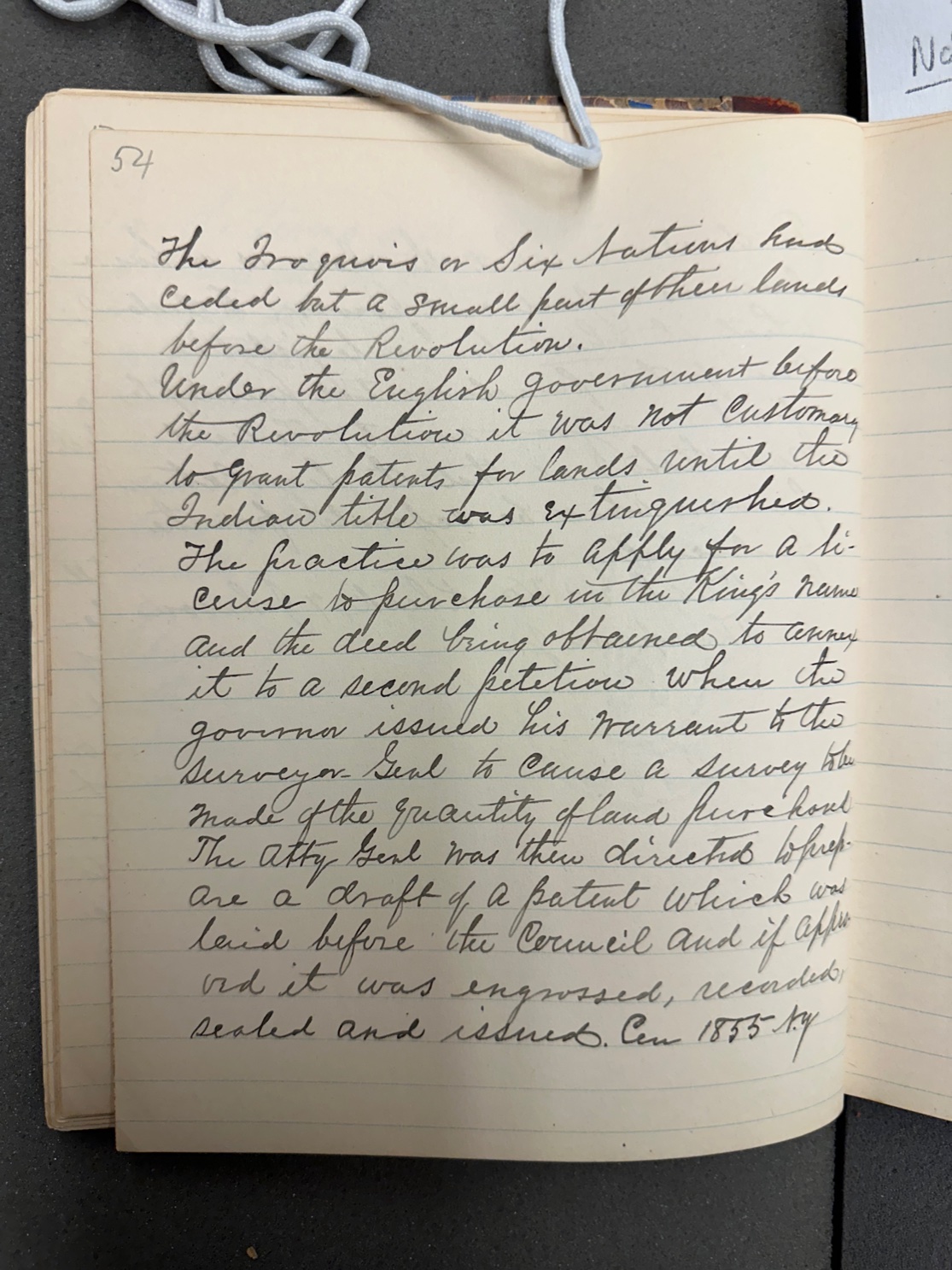
VI_9613
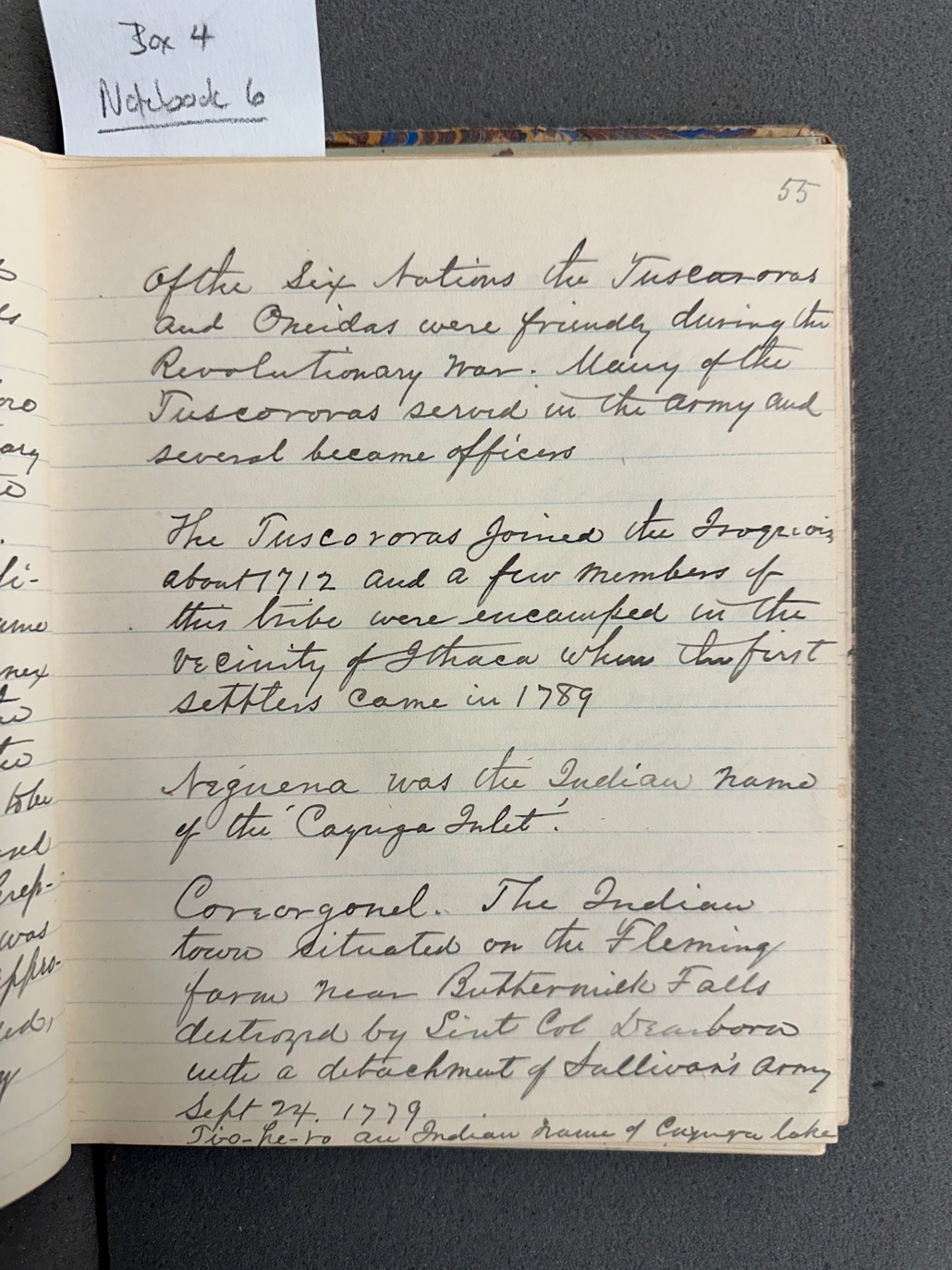
VI_9613B
VI_9614
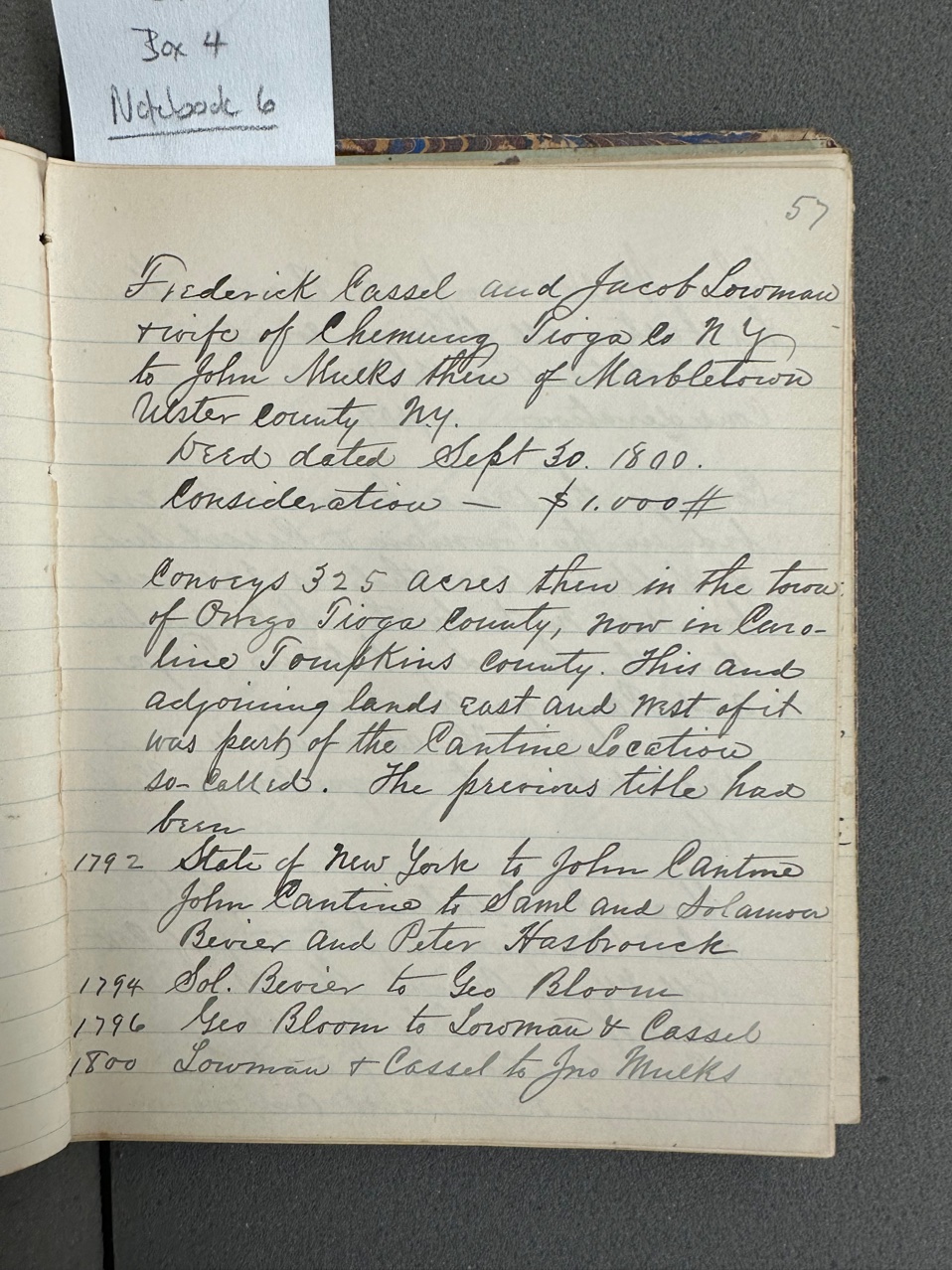
VI_9615
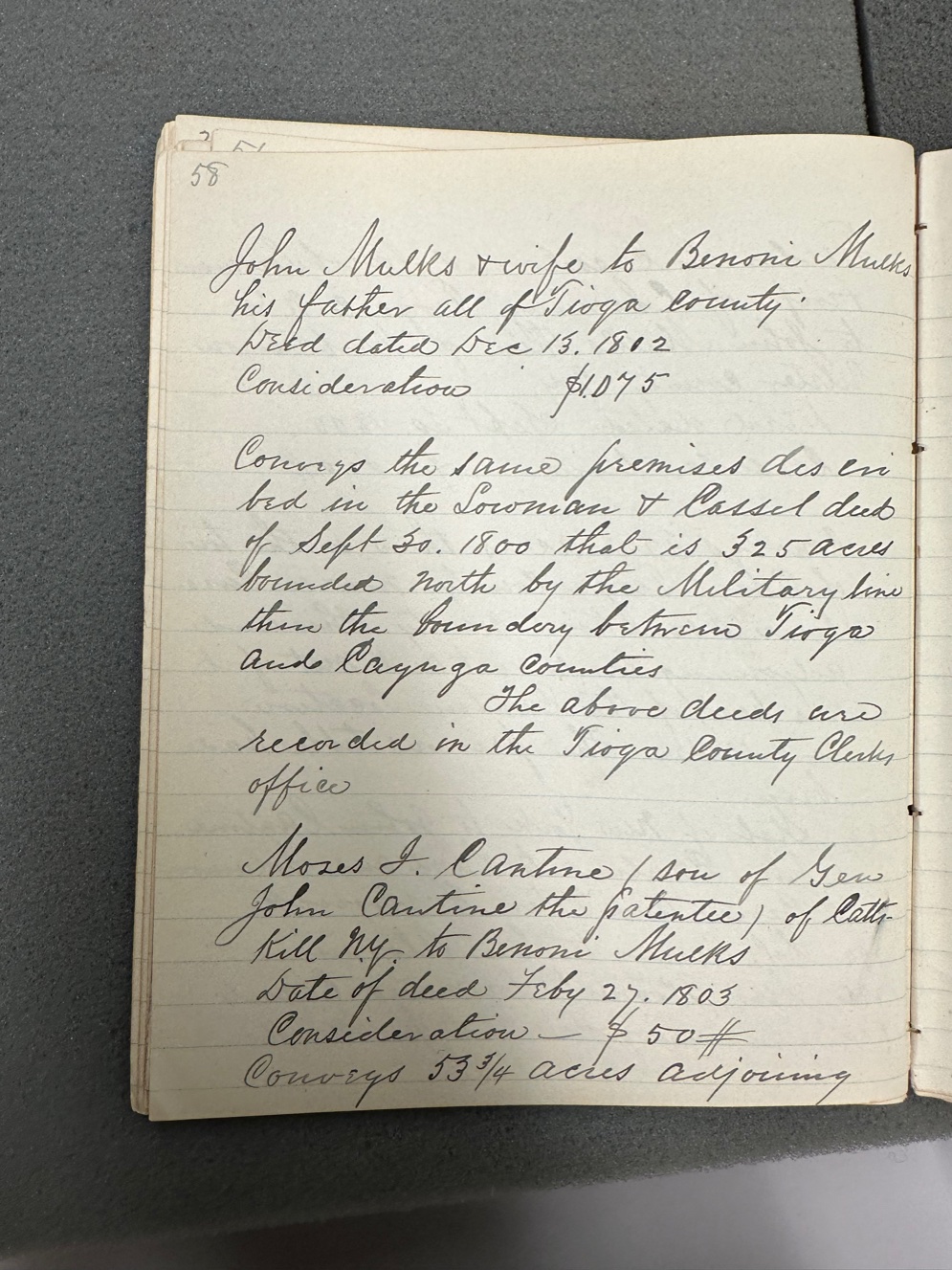
VI_9616
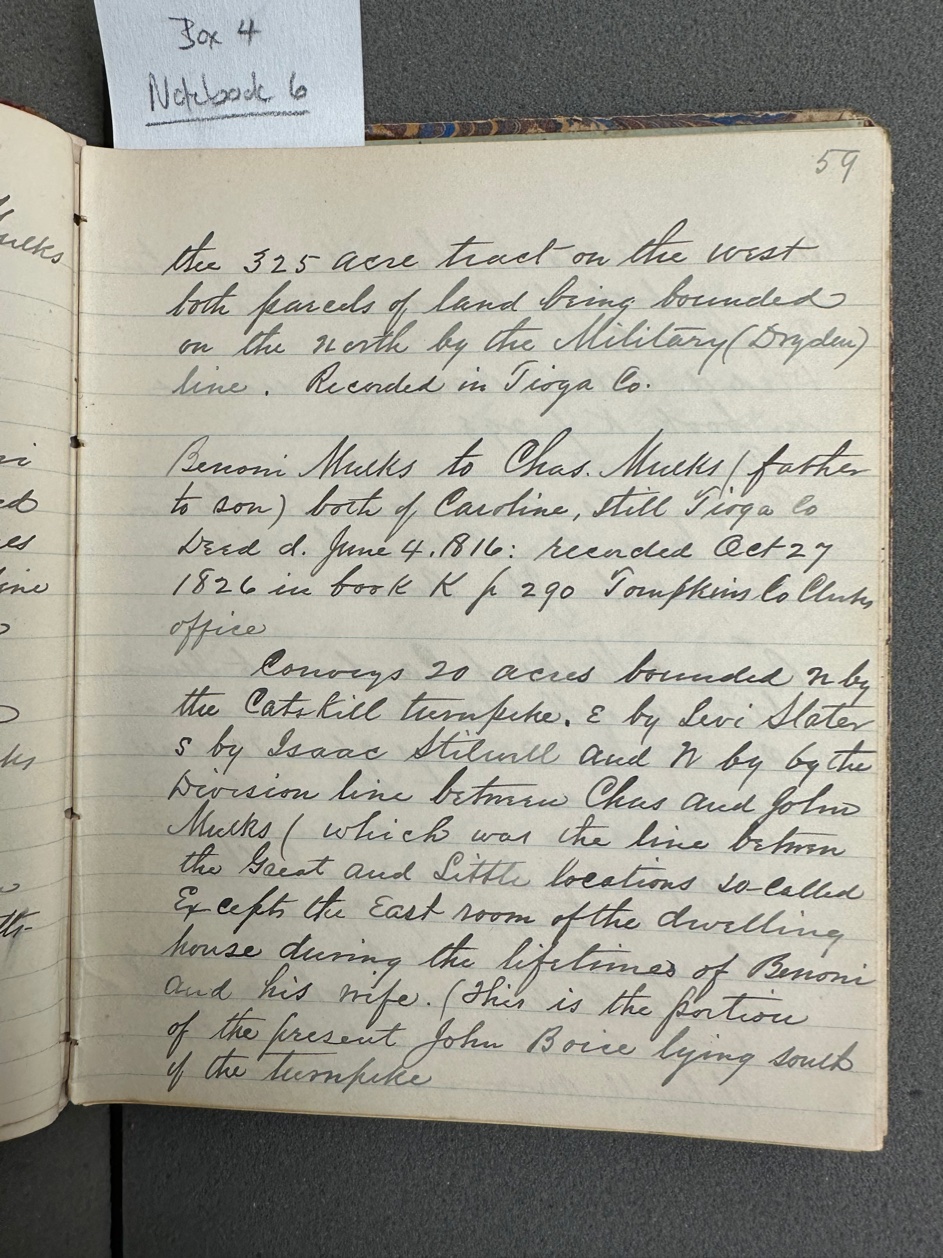
VI_9617
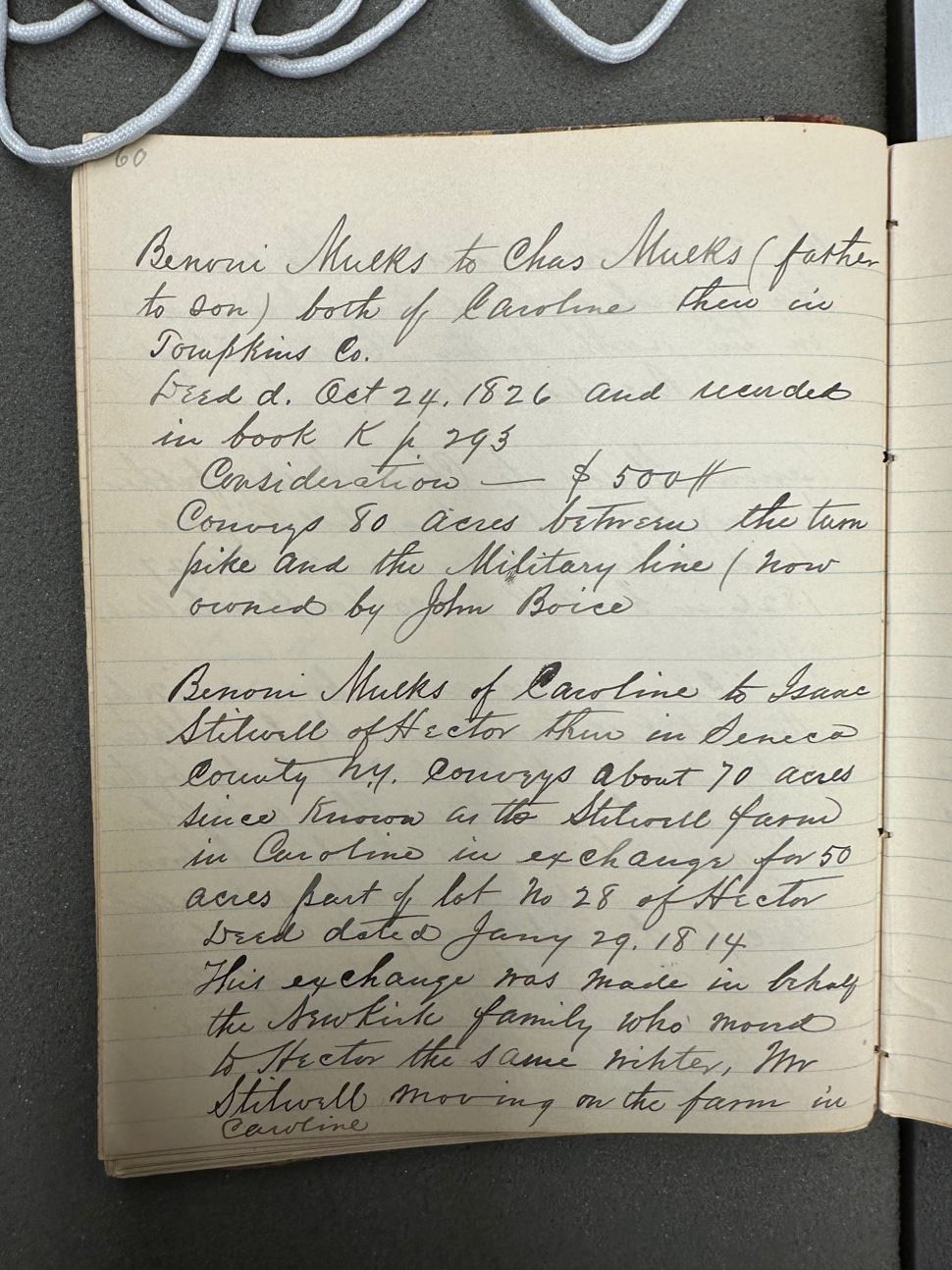
VI_9618
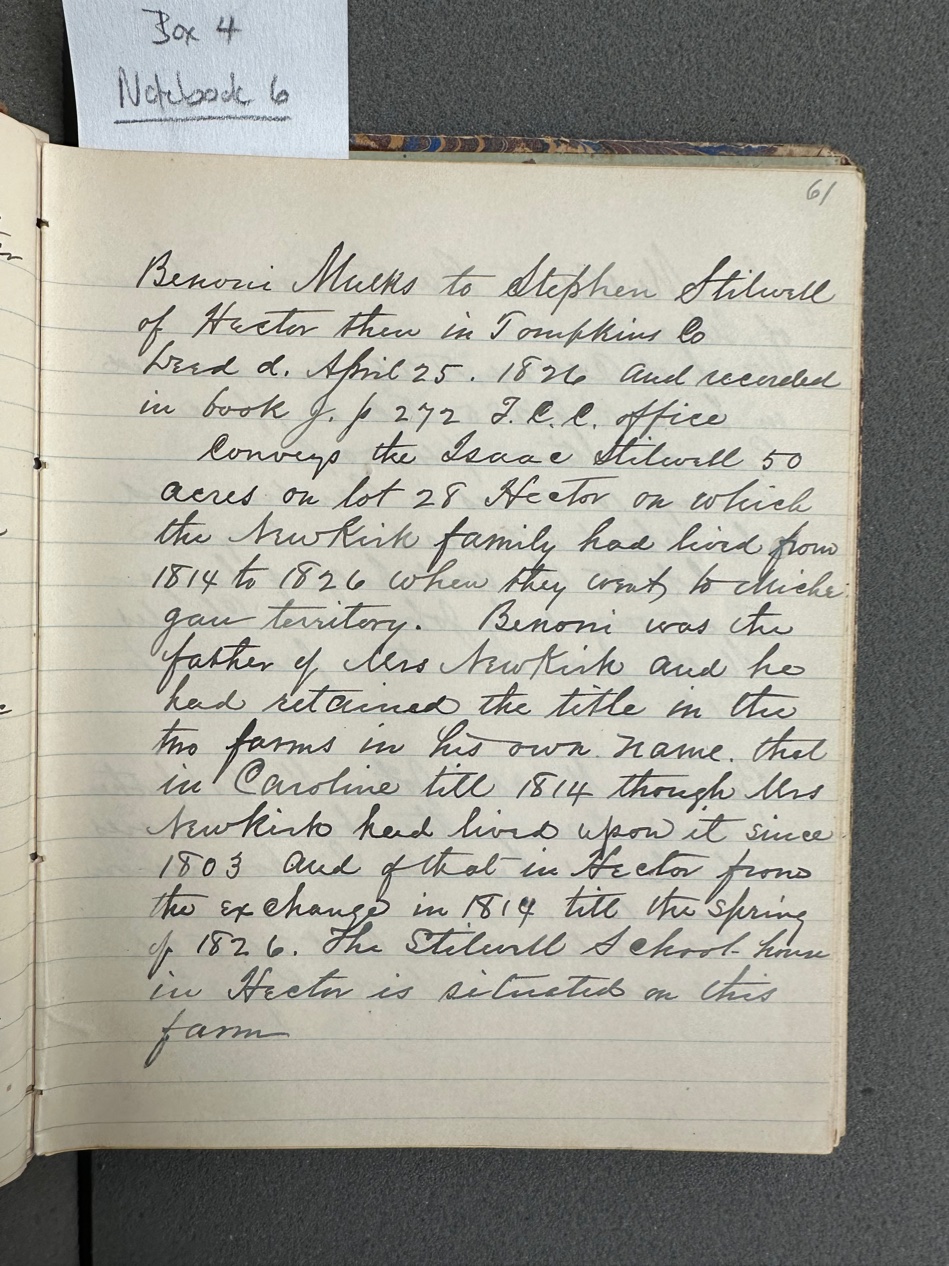
VI_9619
VI_9620
VI_9621
VI_9622
VI_9622B
VI_9623
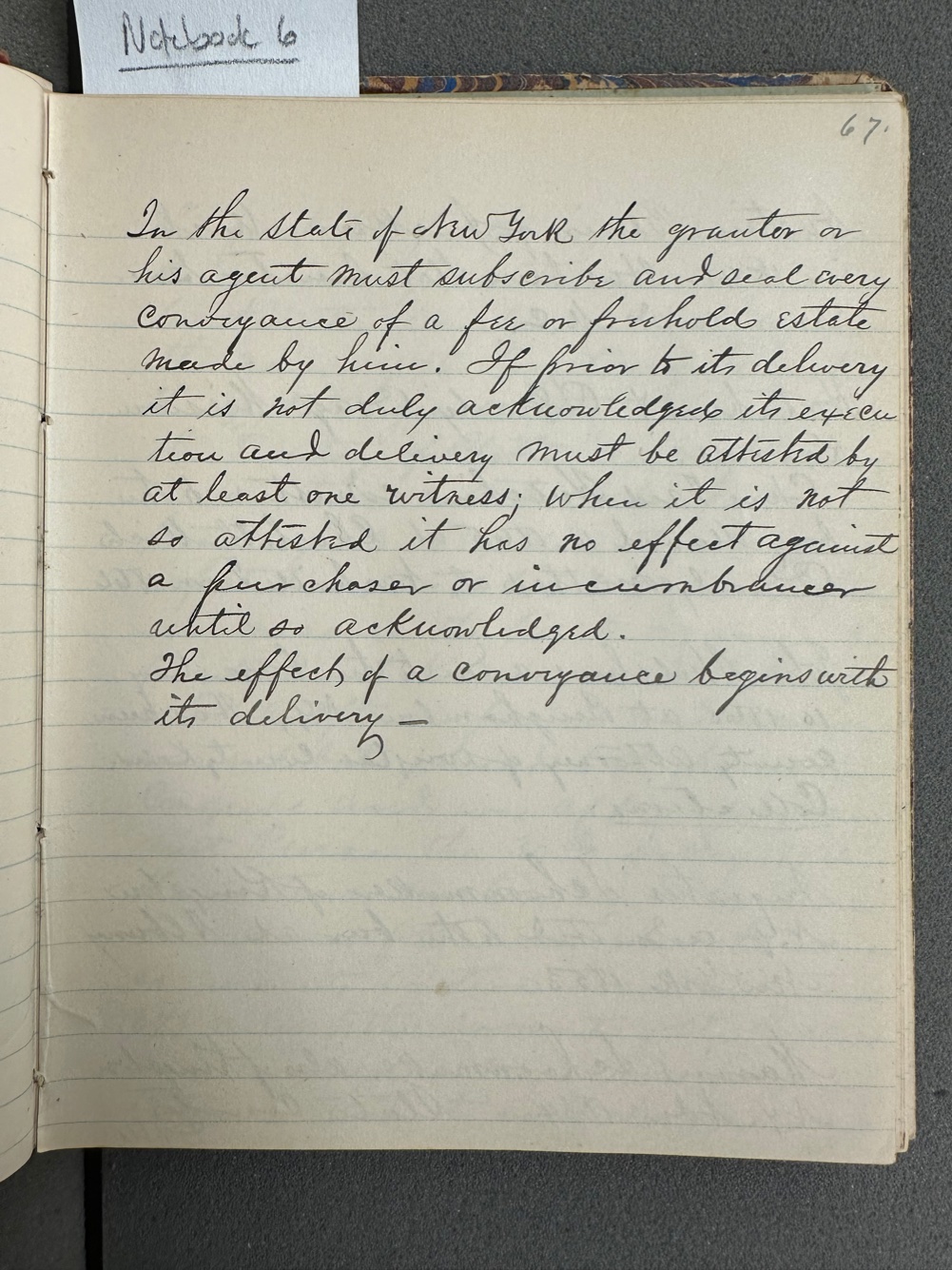
VI_9624
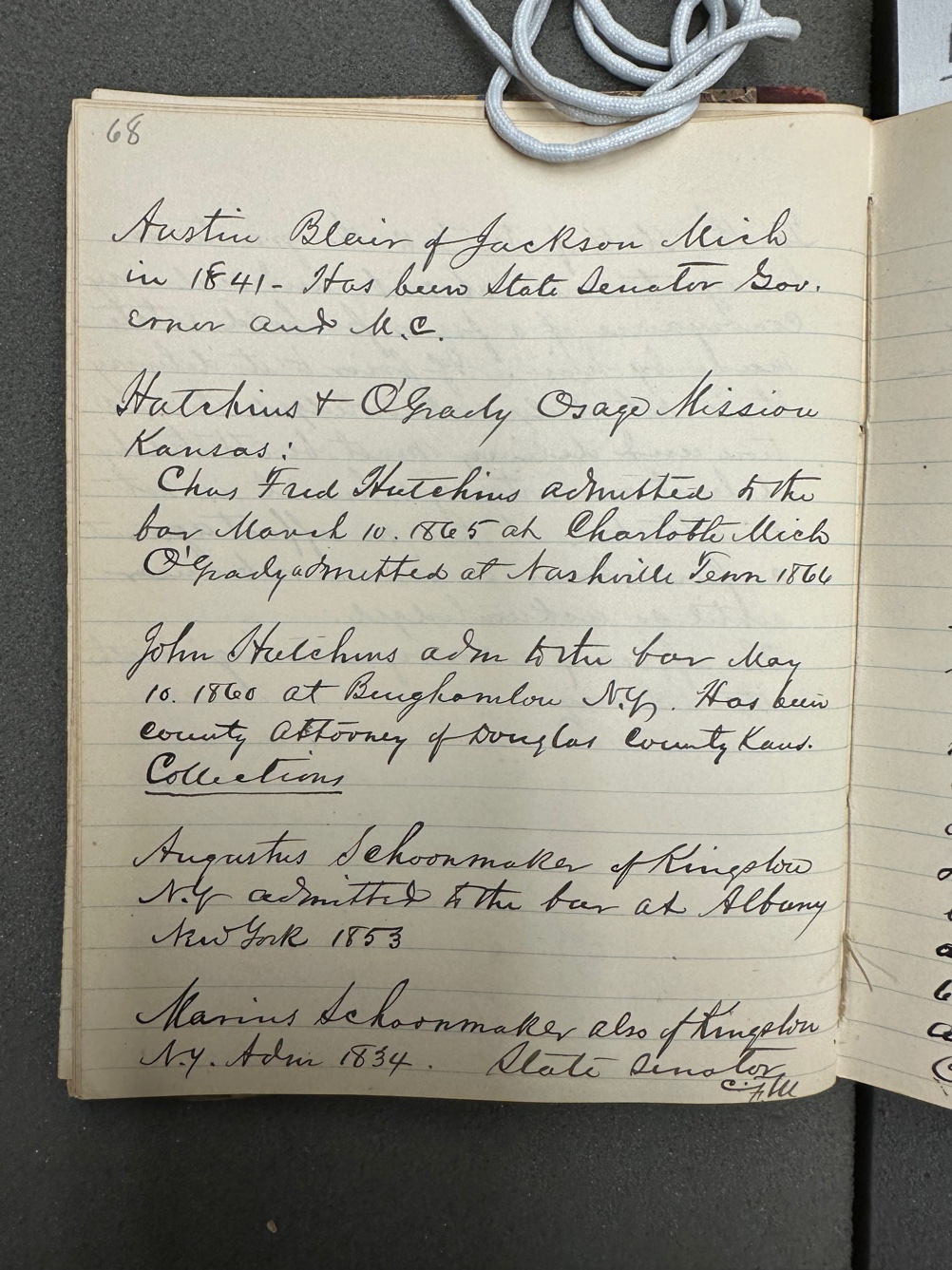
VI_9625
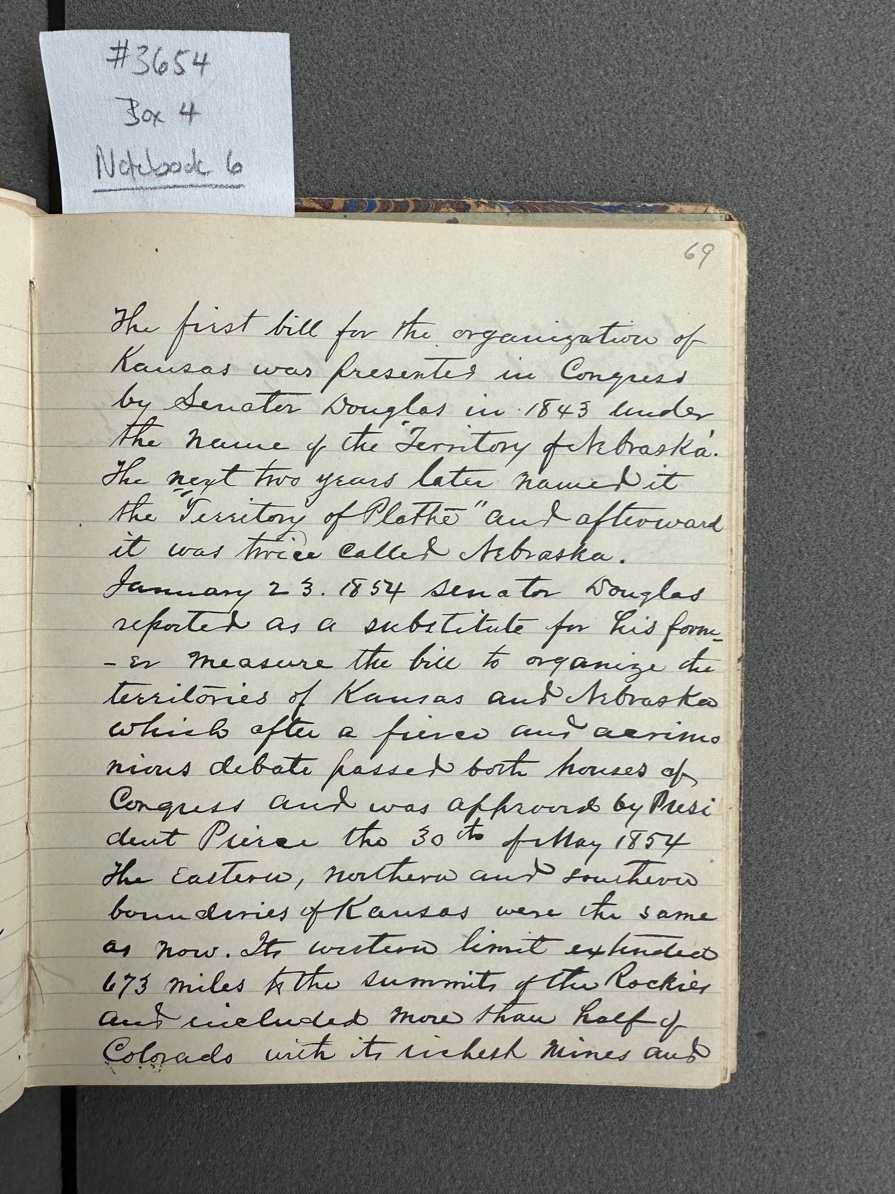
VI_9626
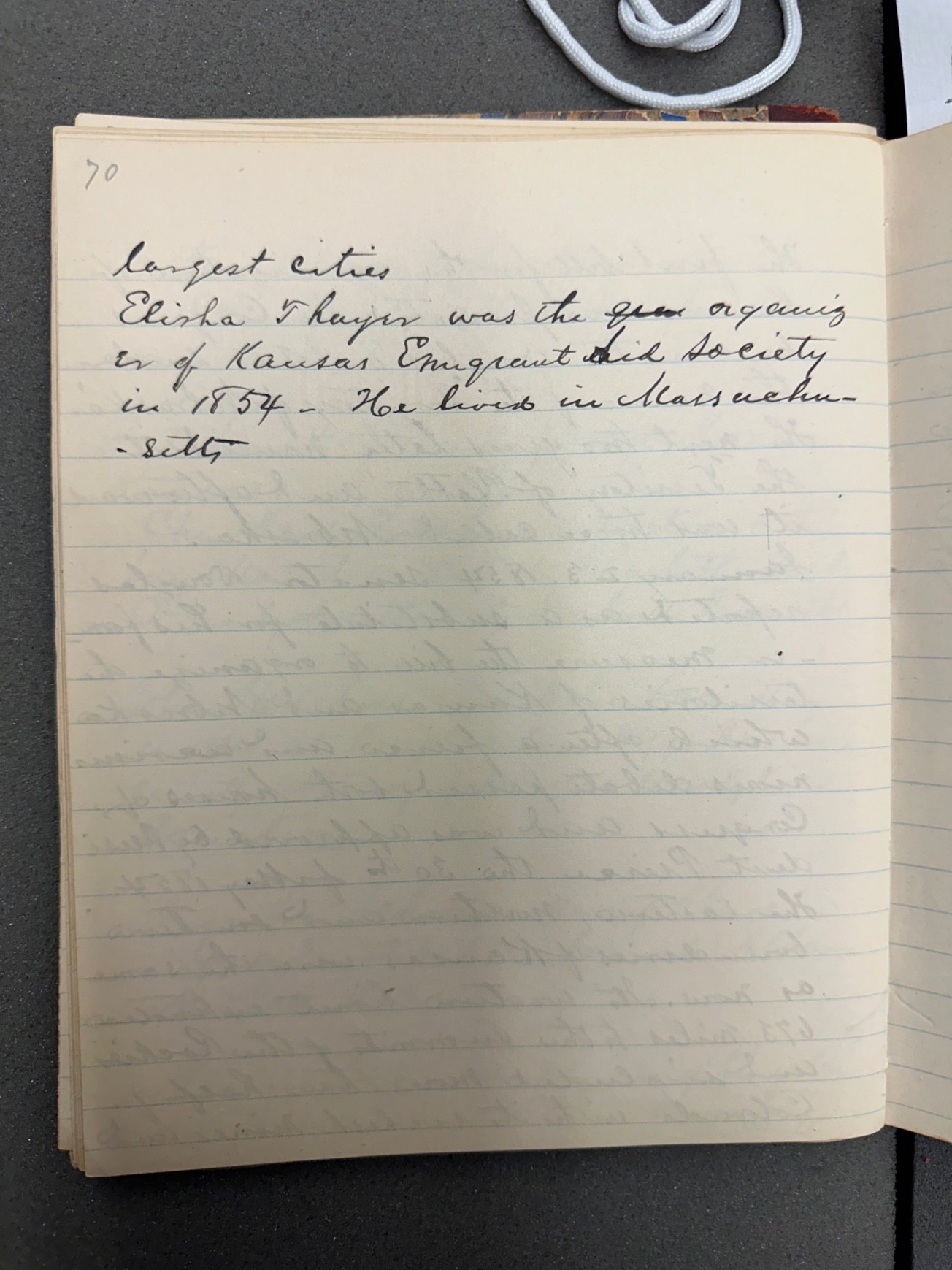
VI_9627
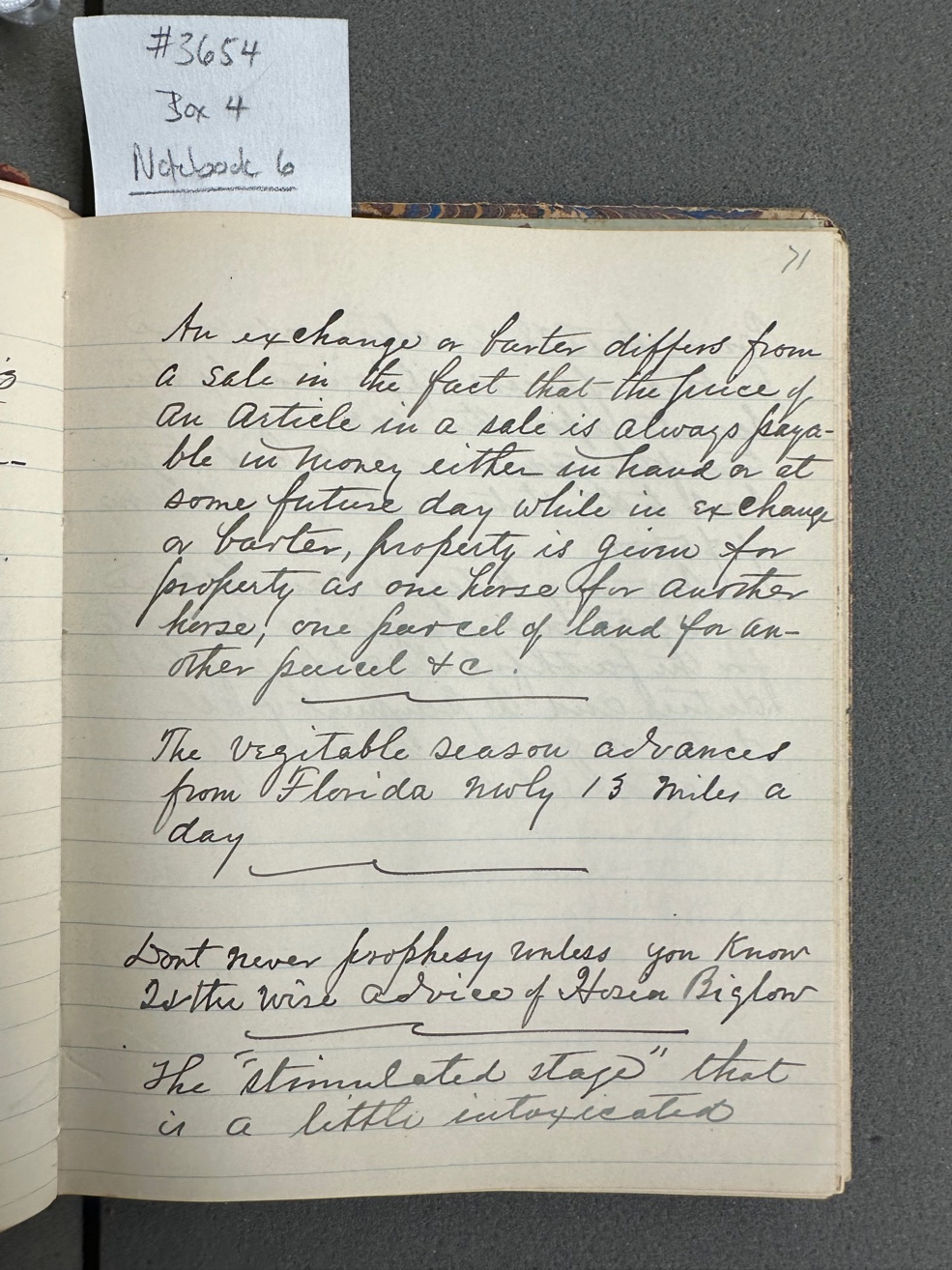
VI_9628
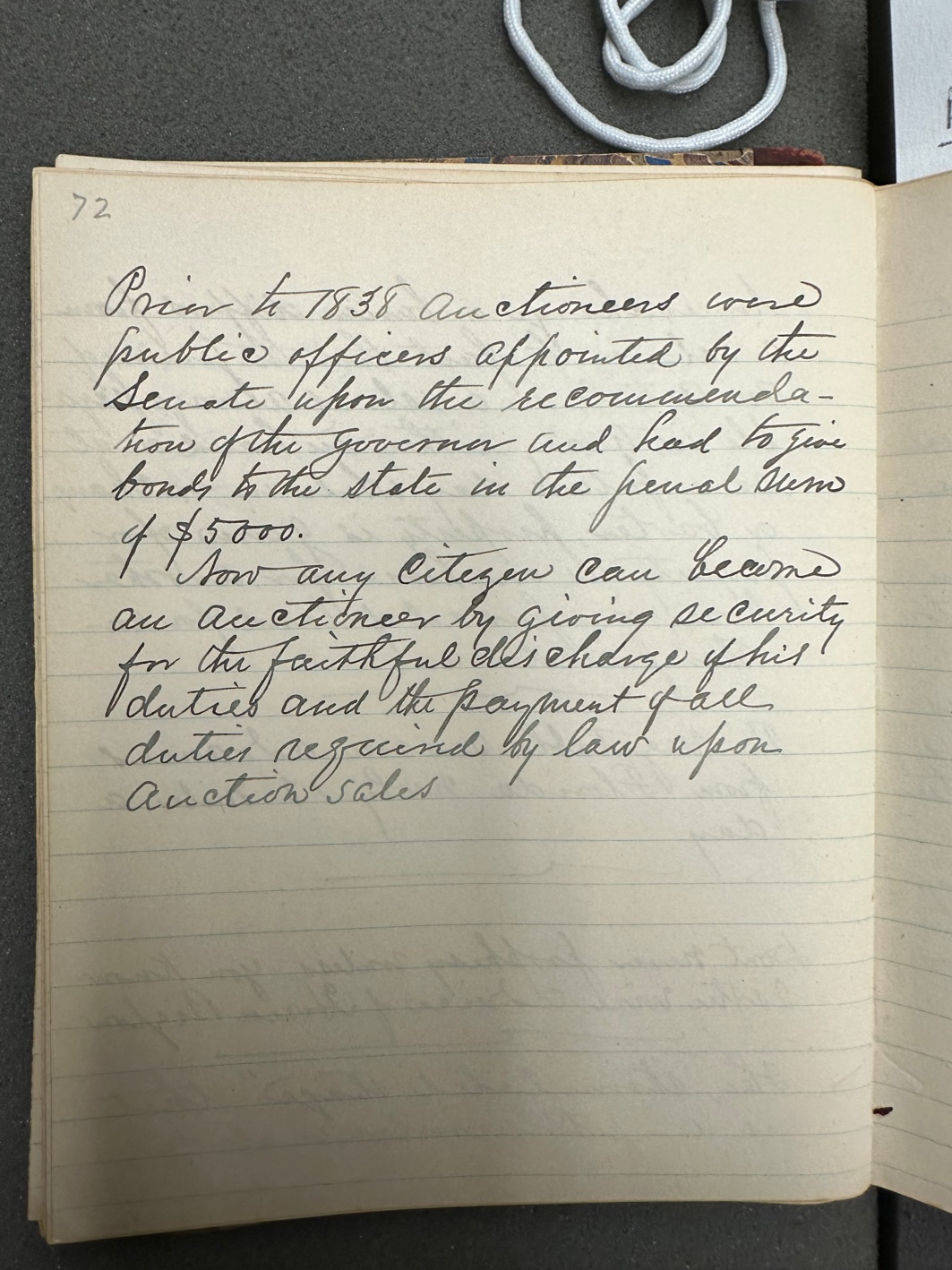
VI_9629
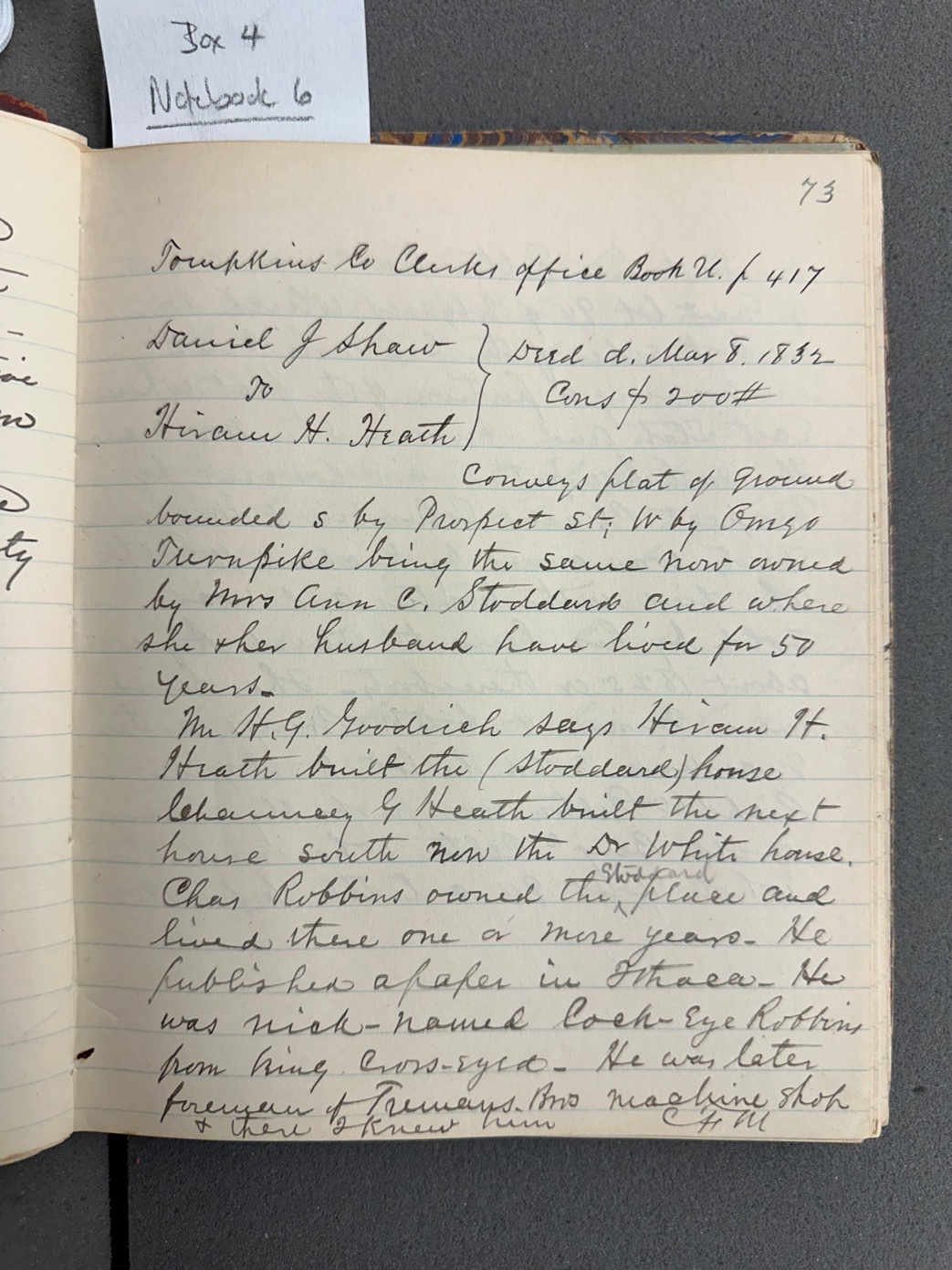
VI_9630
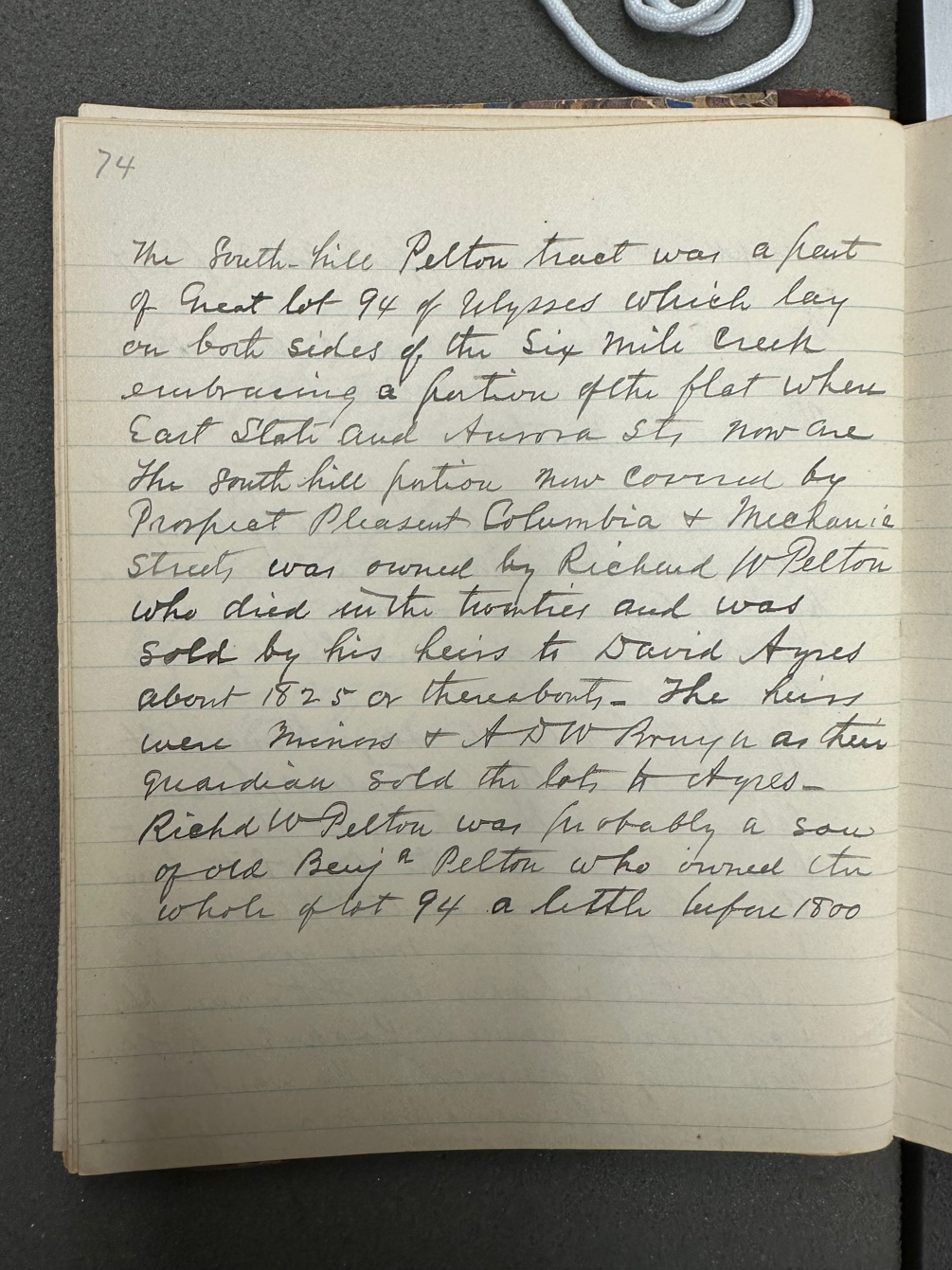
VI_9631
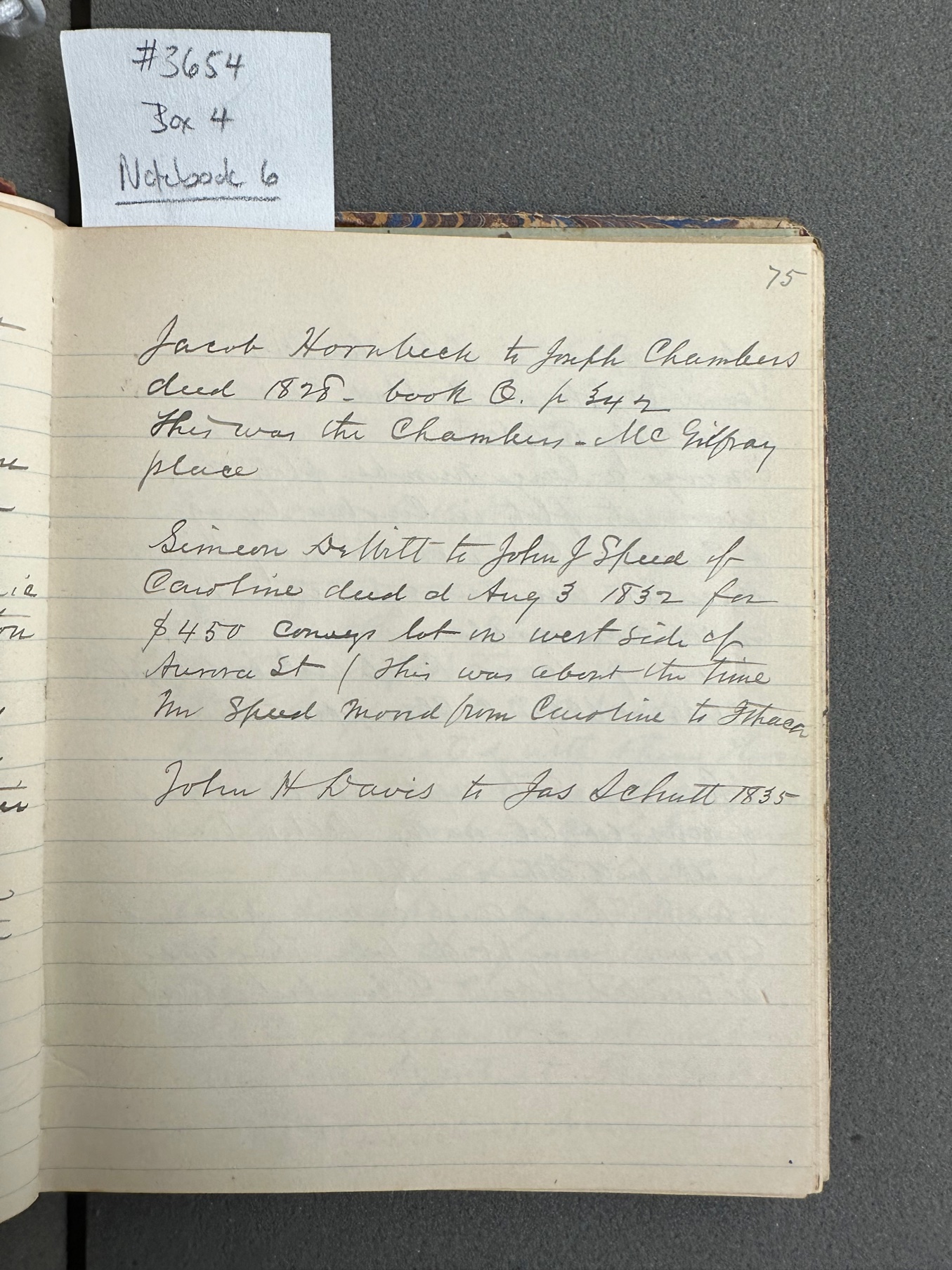
VI_9632
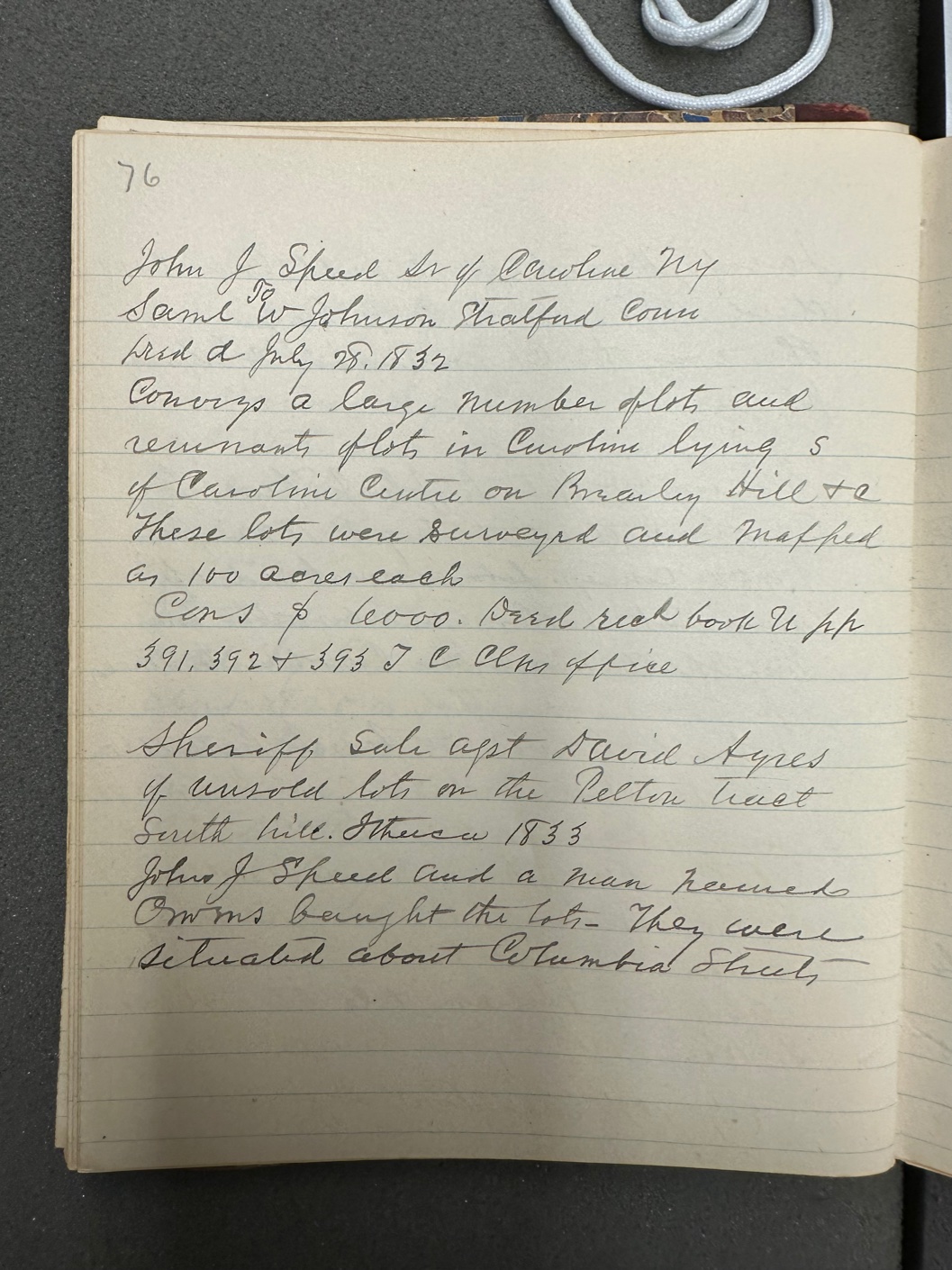
VI_9633
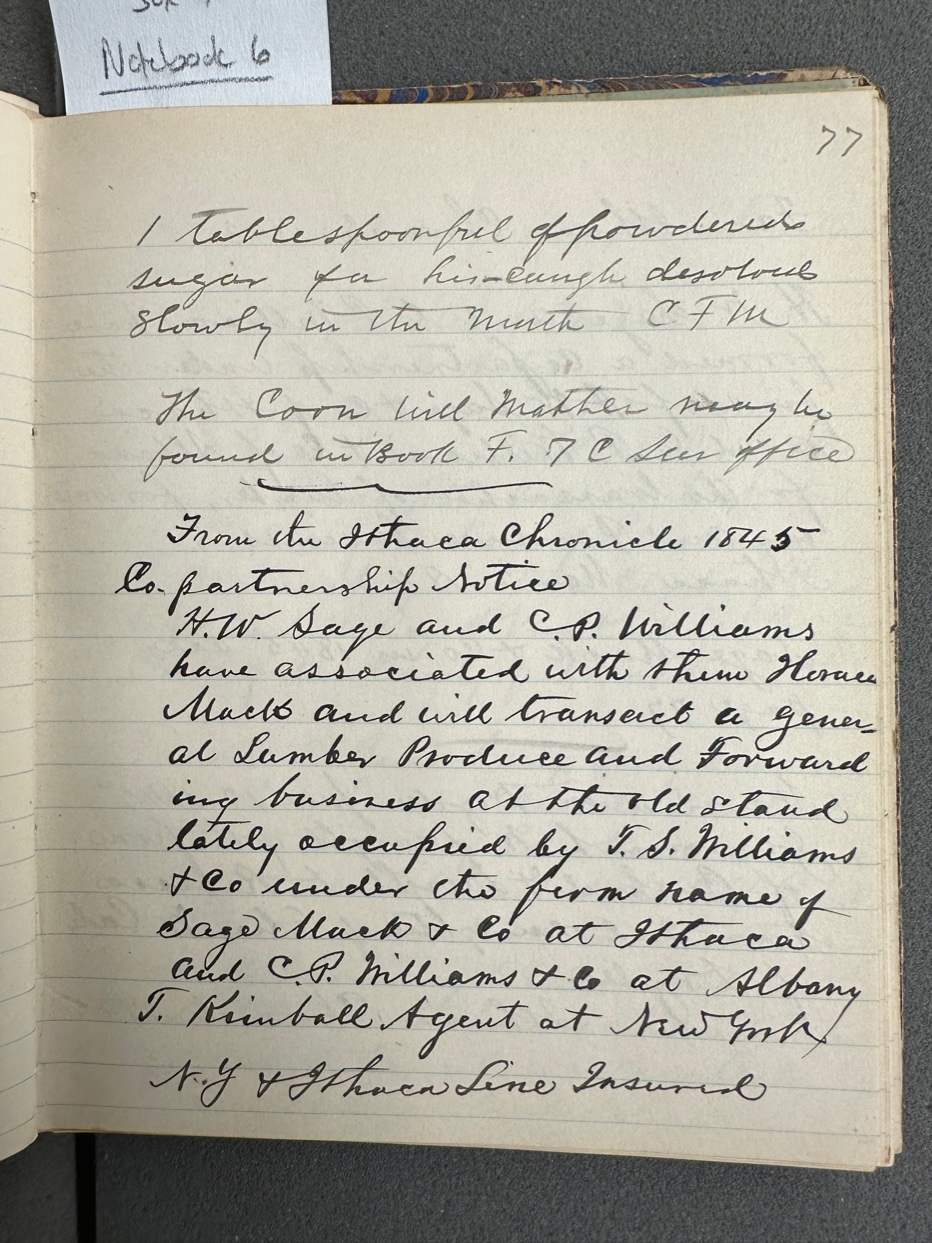
VI_9634
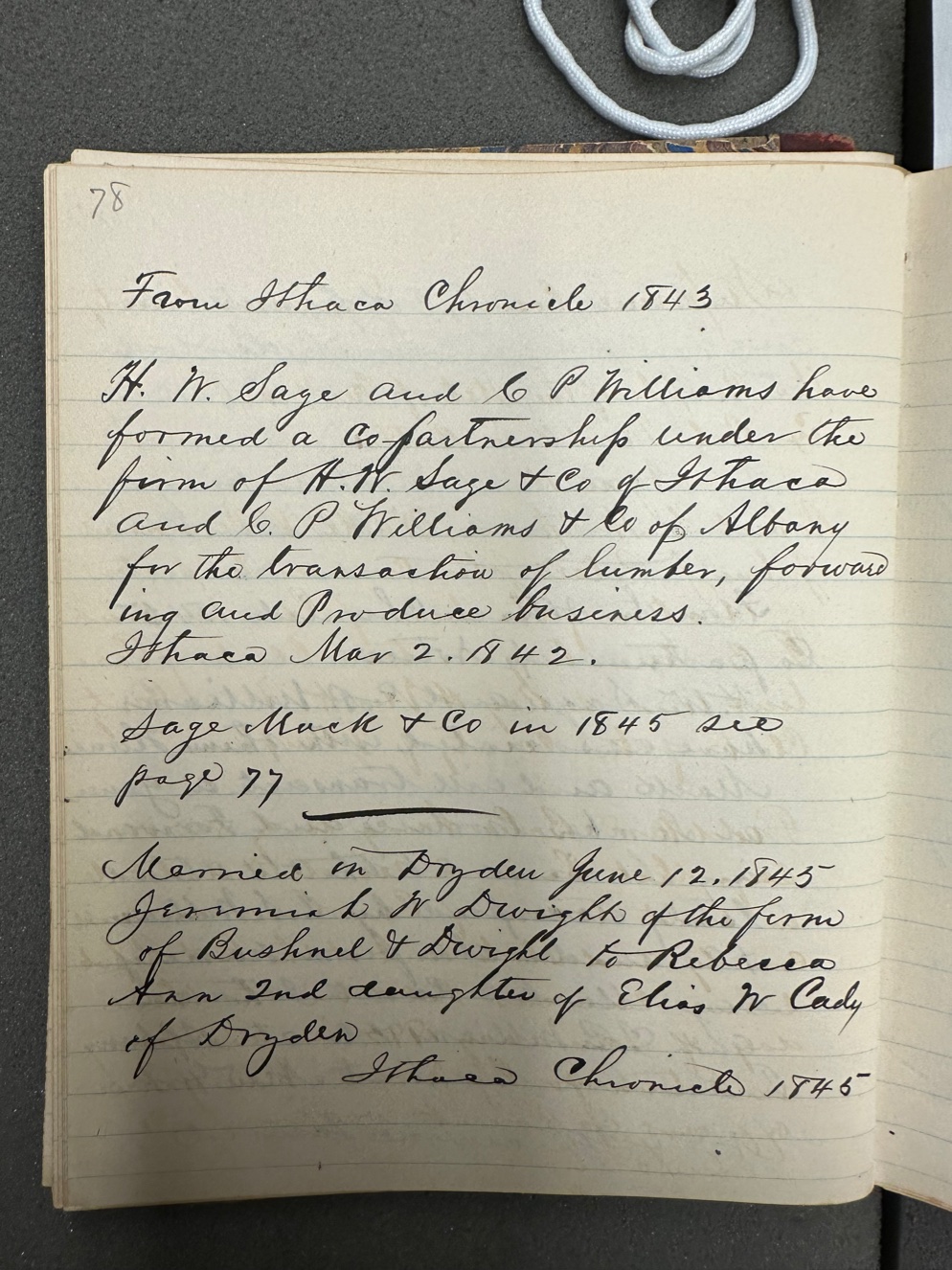
VI_9635
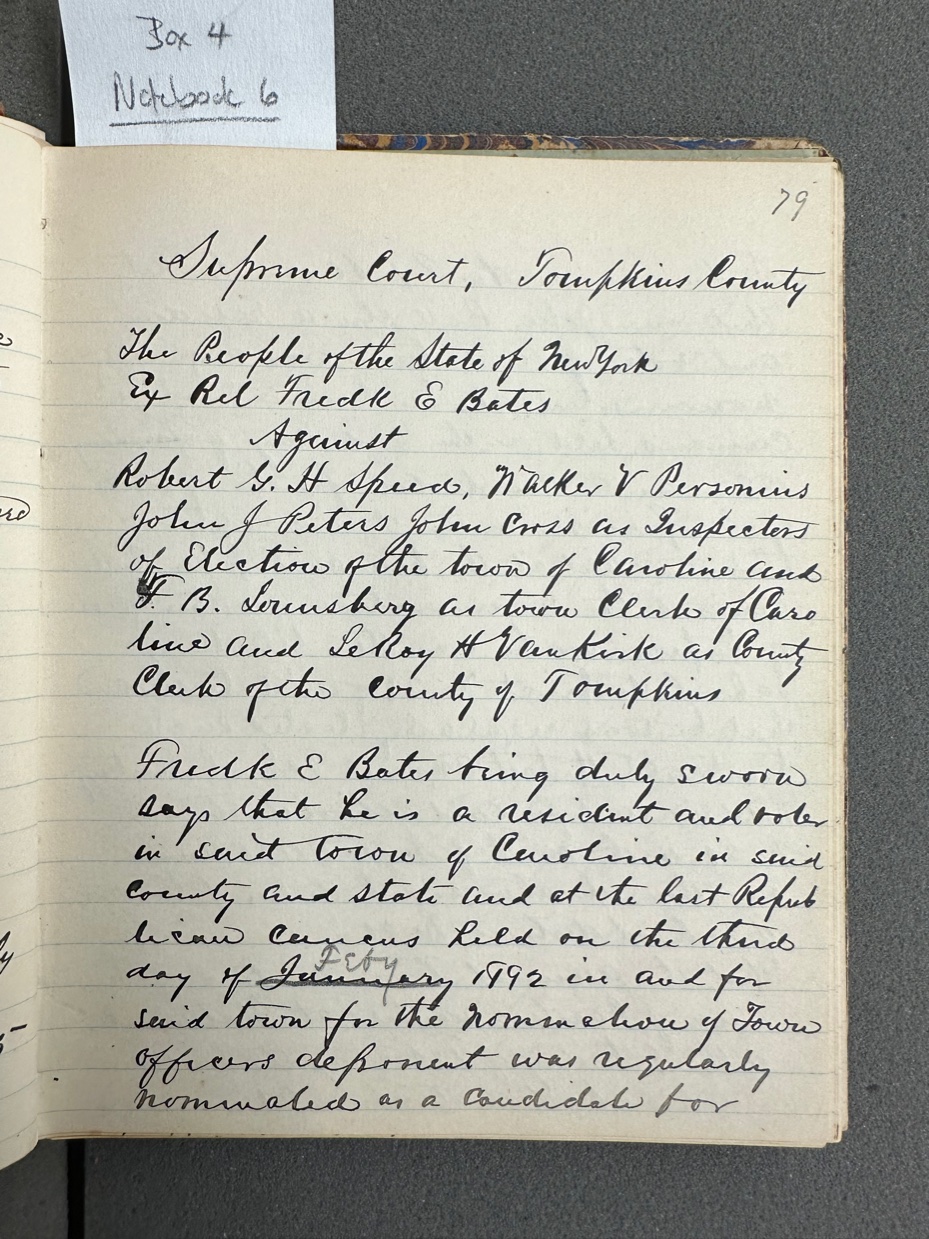
VI_9636
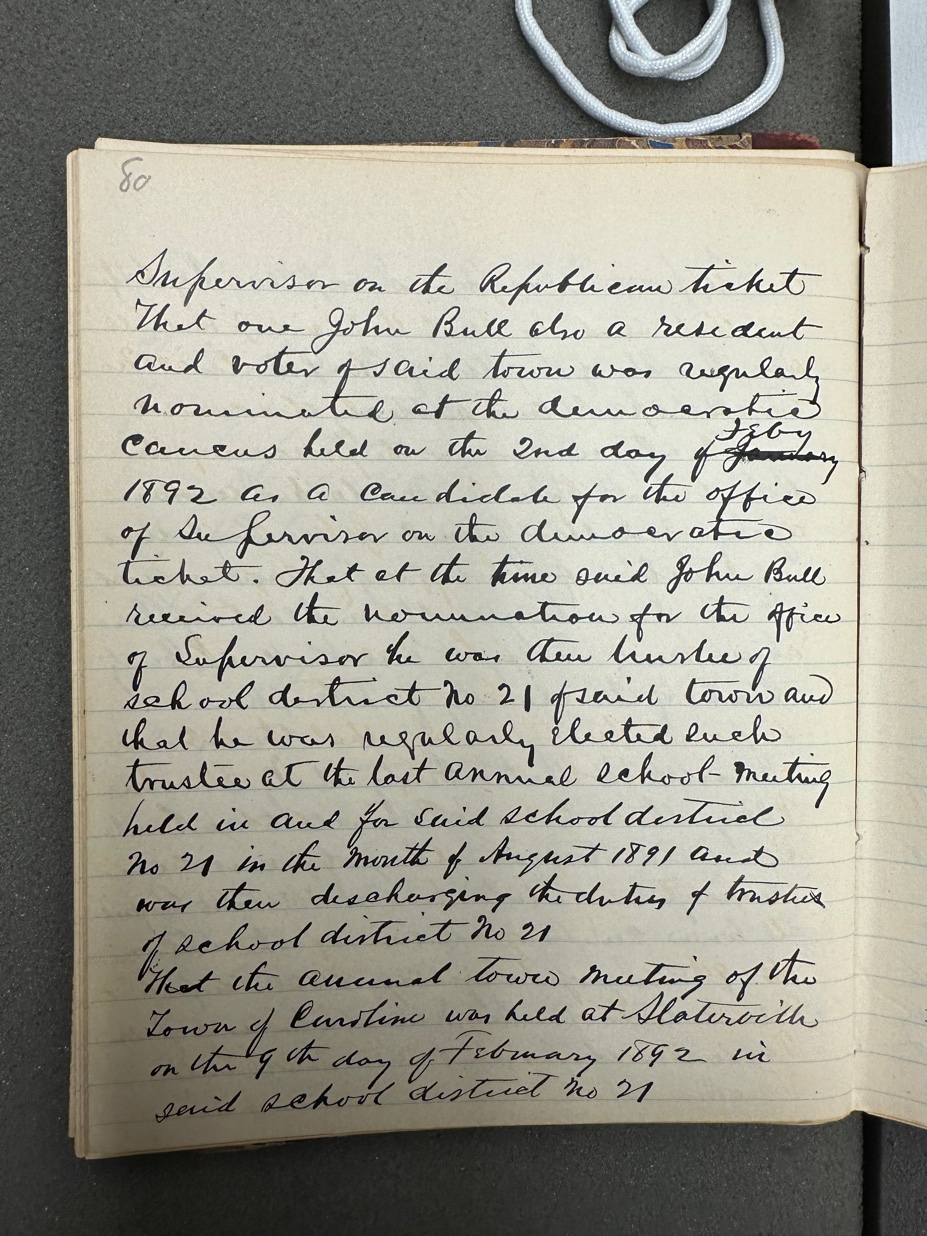
VI_9637
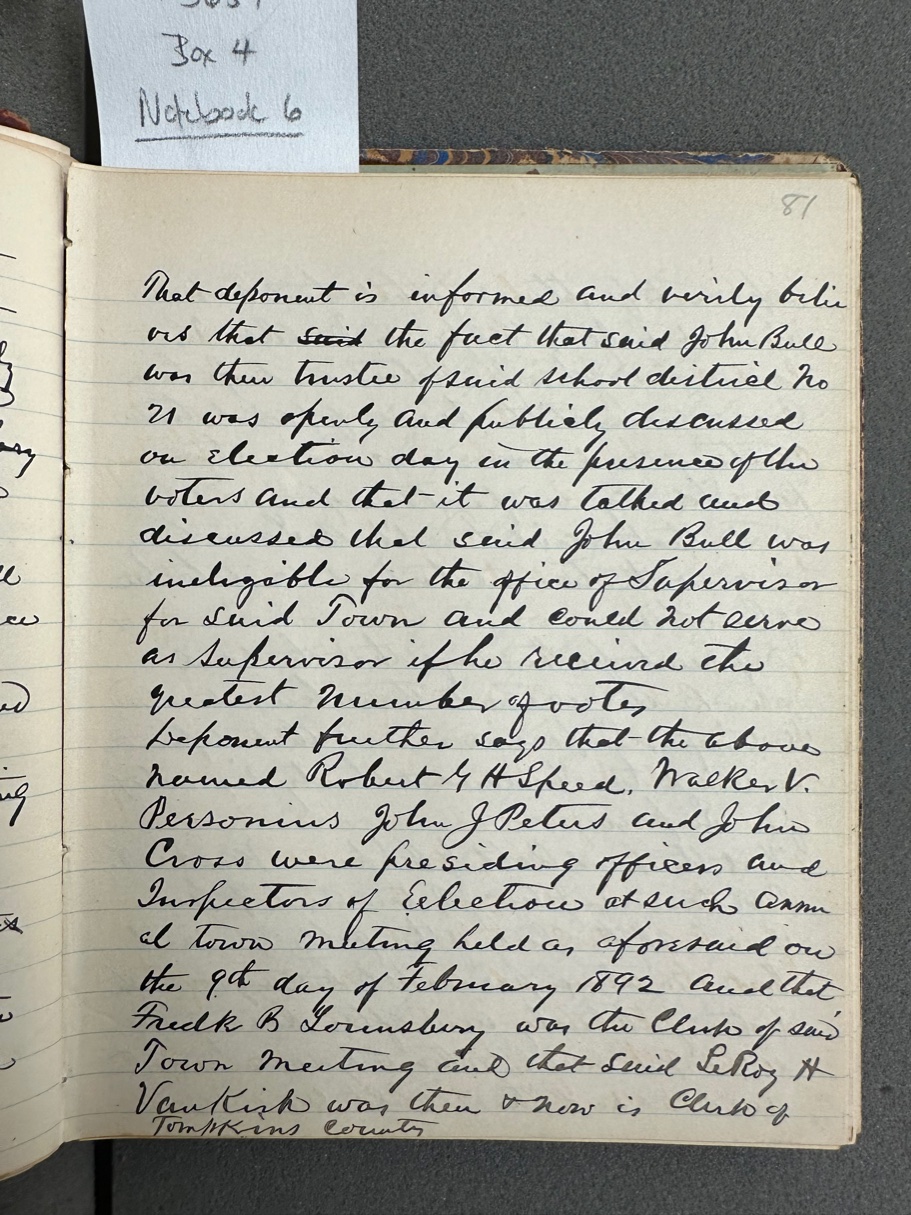
VI_9638
VI_9639
VI_9640
VI_9641
VI_9642
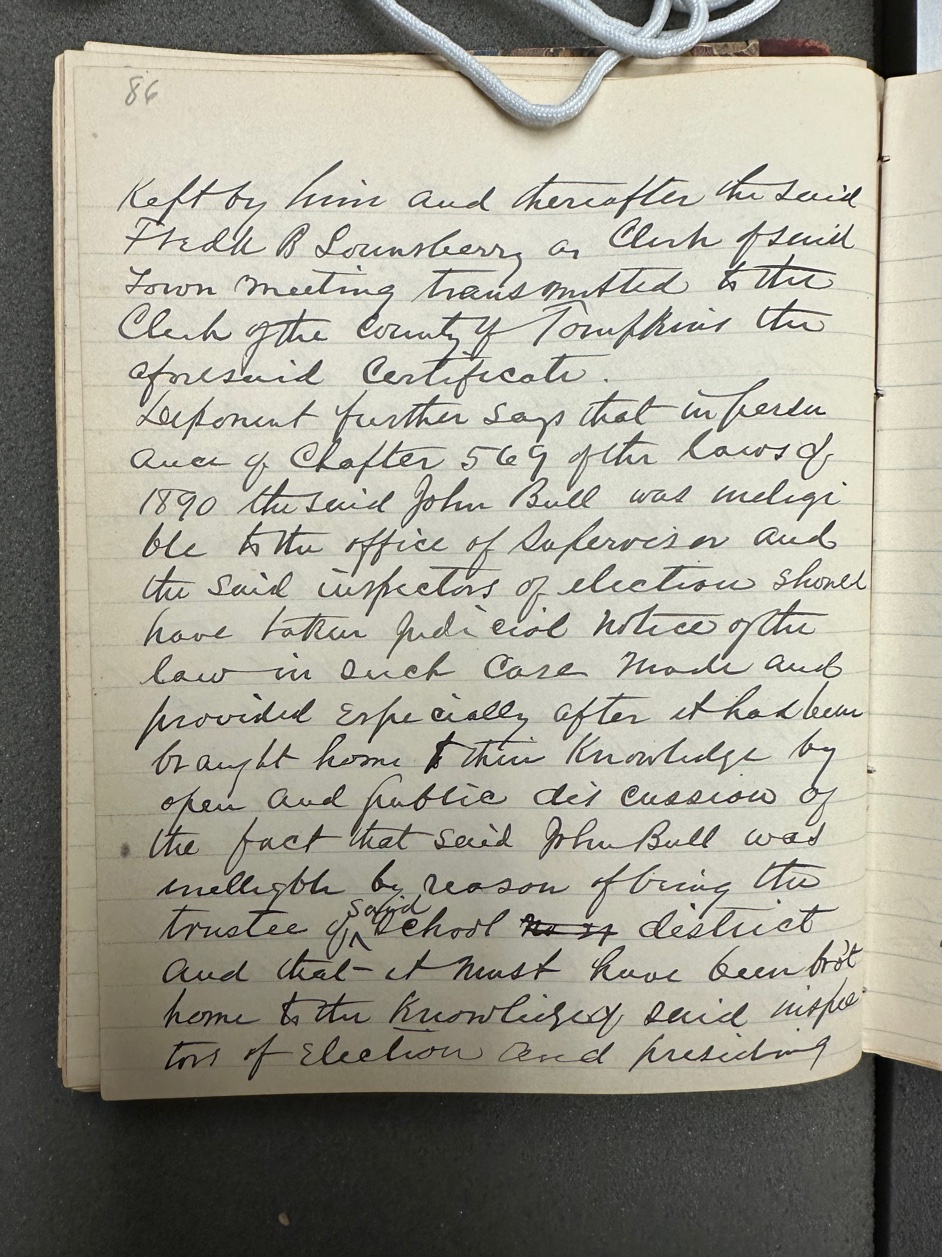
VI_9643
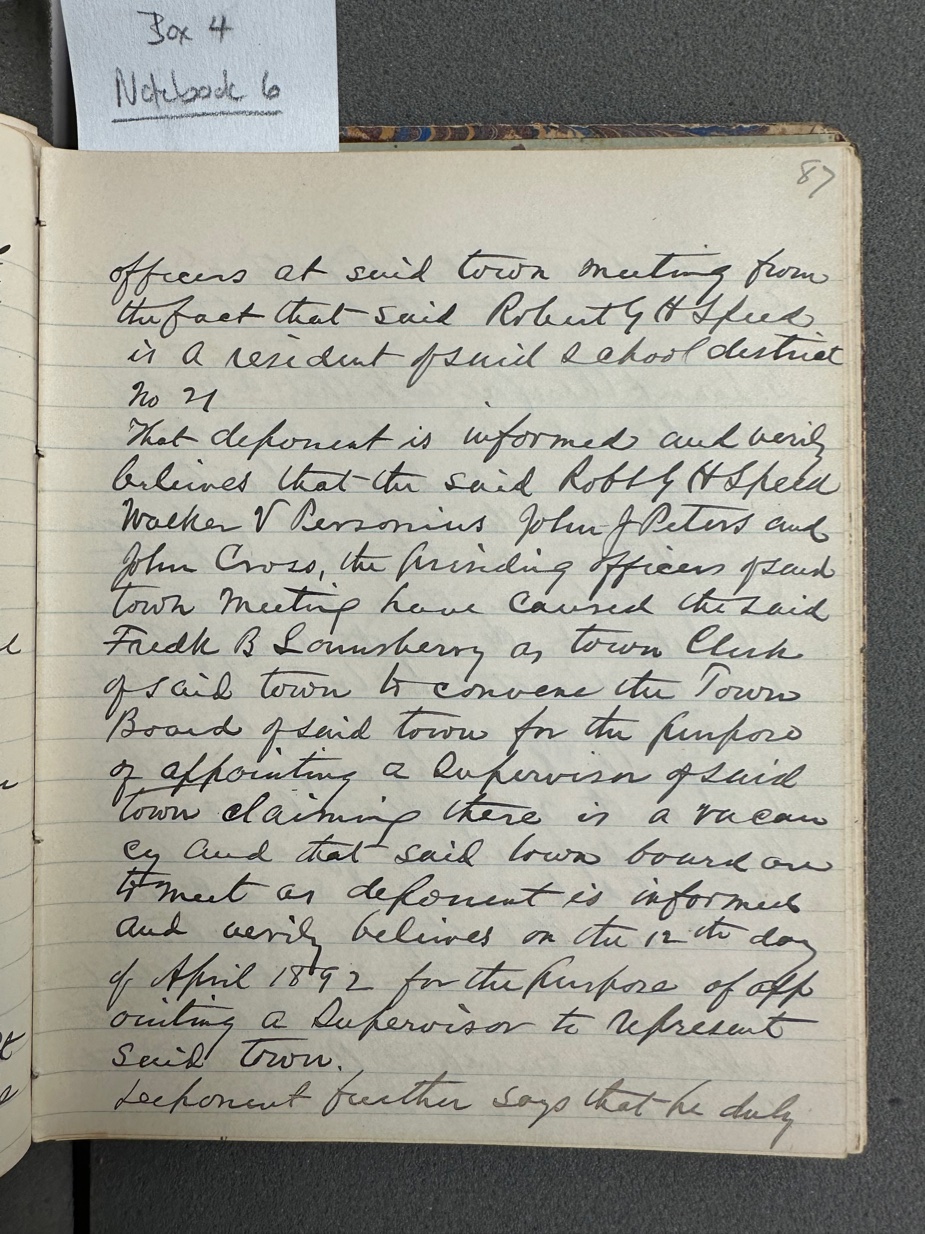
VI_9644
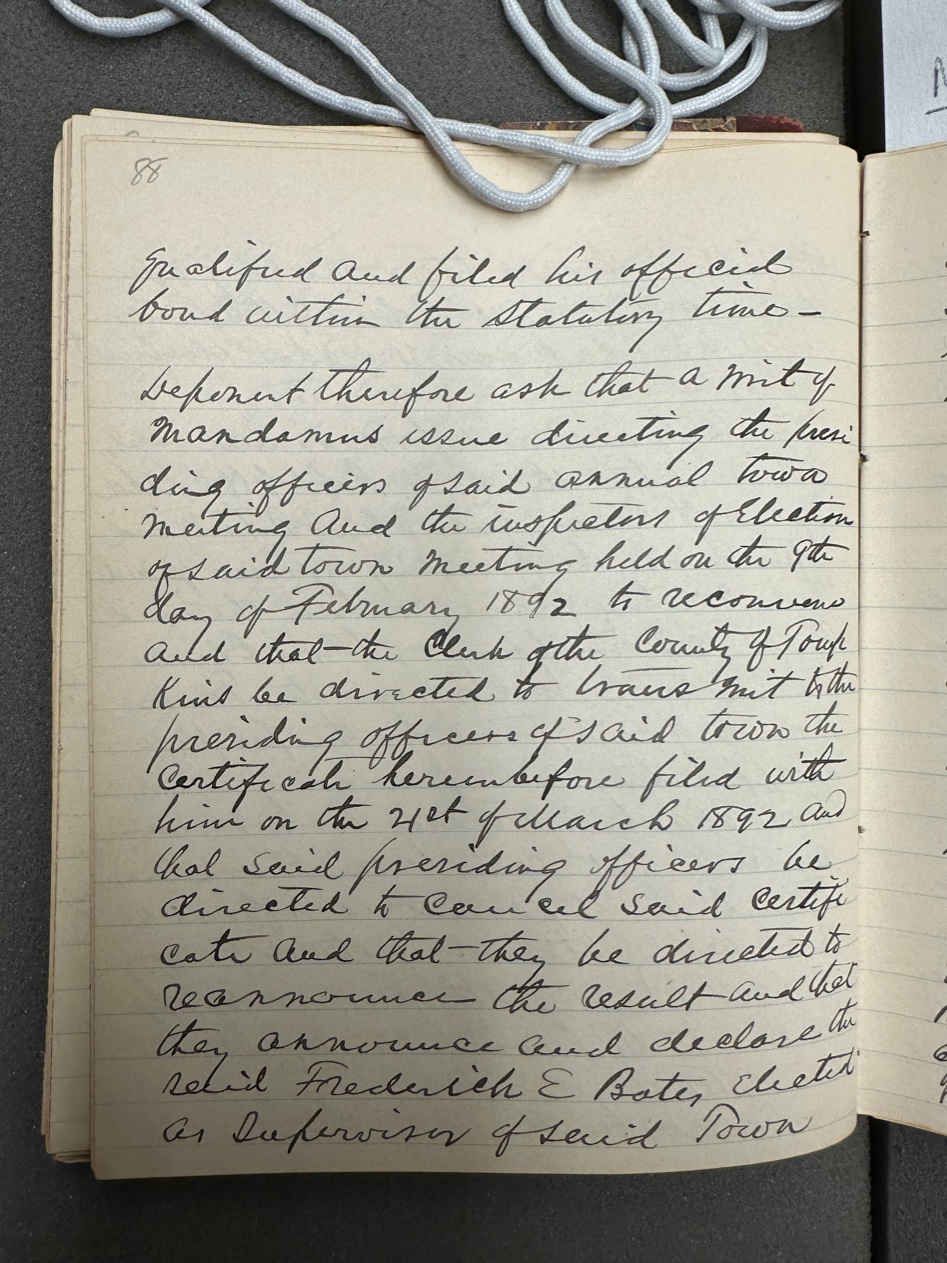
VI_9645
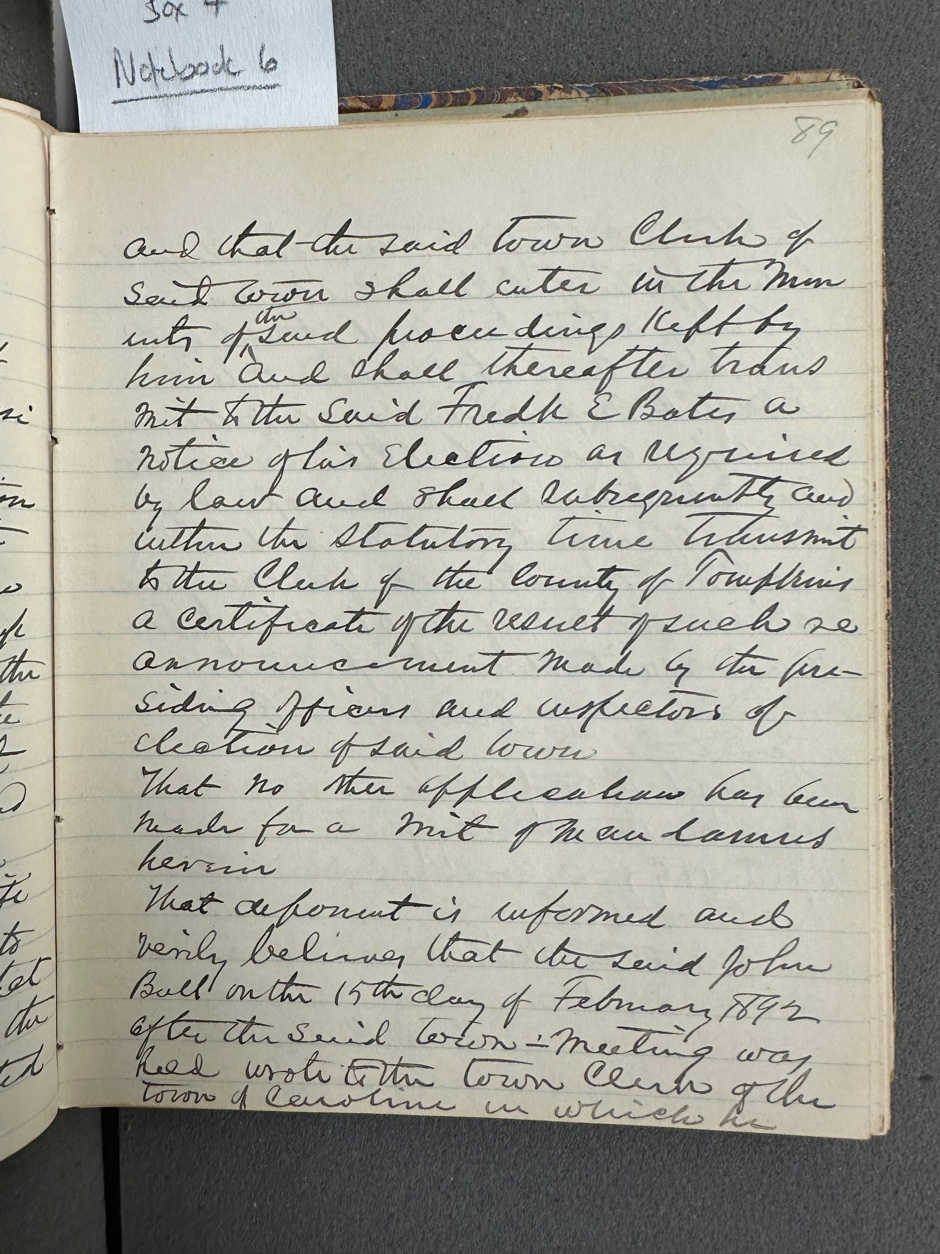
VI_9646
VI_9647
VI_9648
VI_9650
VI_9651
VI_9653
VI_9654
VI_9655
VI_9656
VI_9657
VI_9658
VI_9659
VI_9660
VI_9661
VI_9662
VI_9663
VI_9664
VI_9665
VI_9666
VI_9667
VI_9668
VI_9669
VI_9670
VI_9671
VI_9672
VI_9673
VI_9674
VI_9675
VI_9676
VI_9677
VI_9678
VI_9679
VI_9680
VI_9681
VI_9682
VI_9683
VI_9684
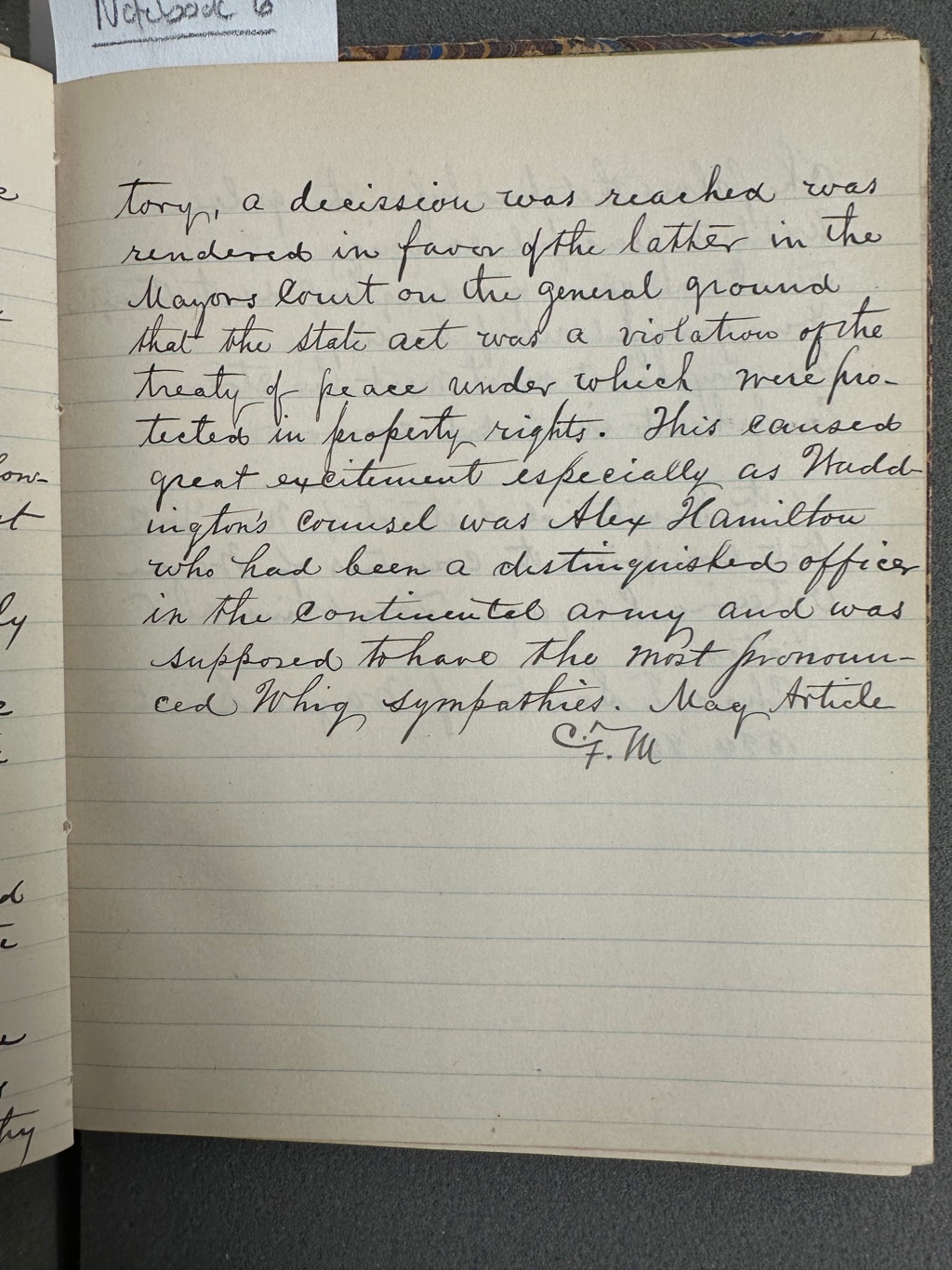
VI_9685
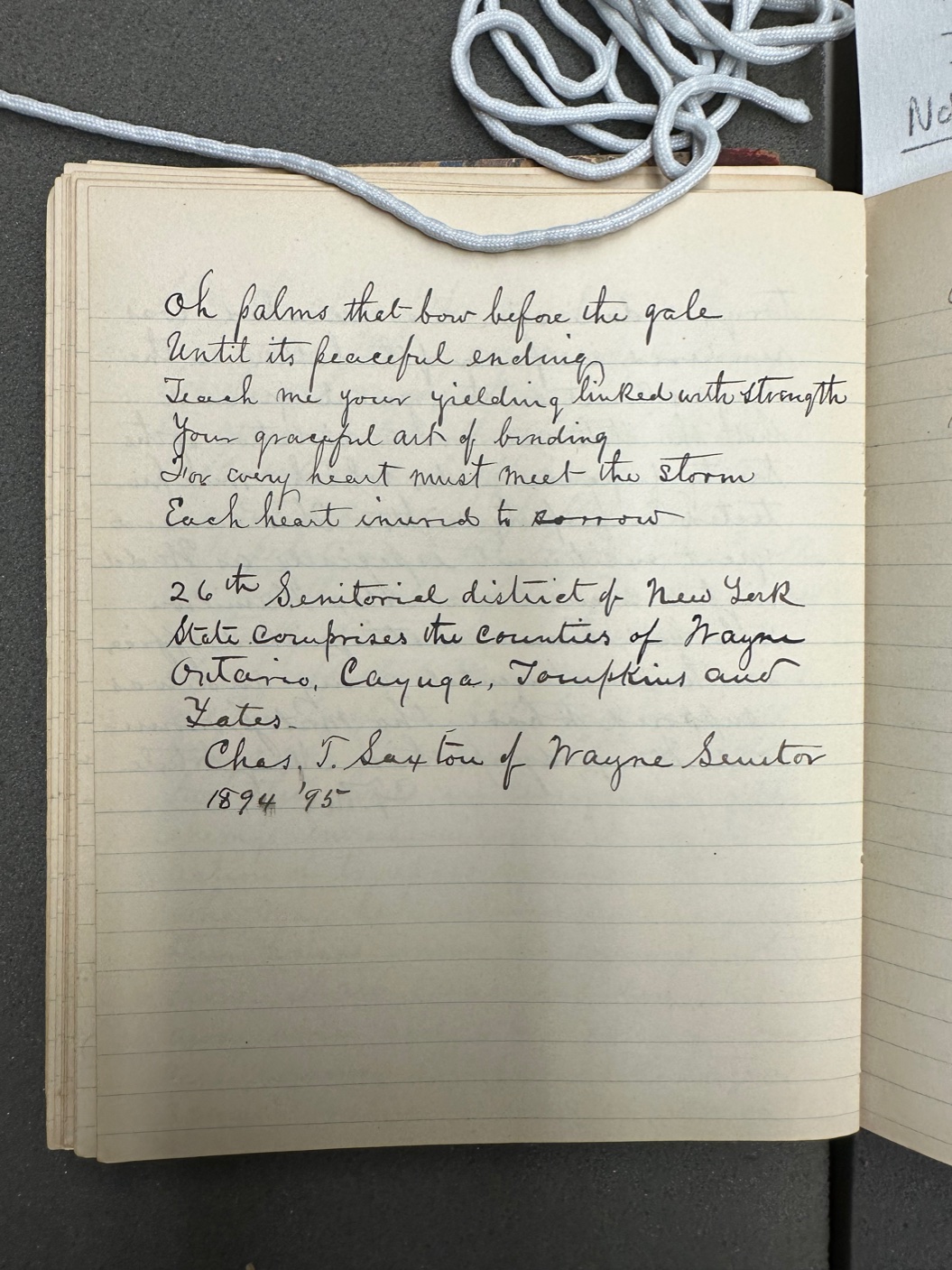
VI_9686
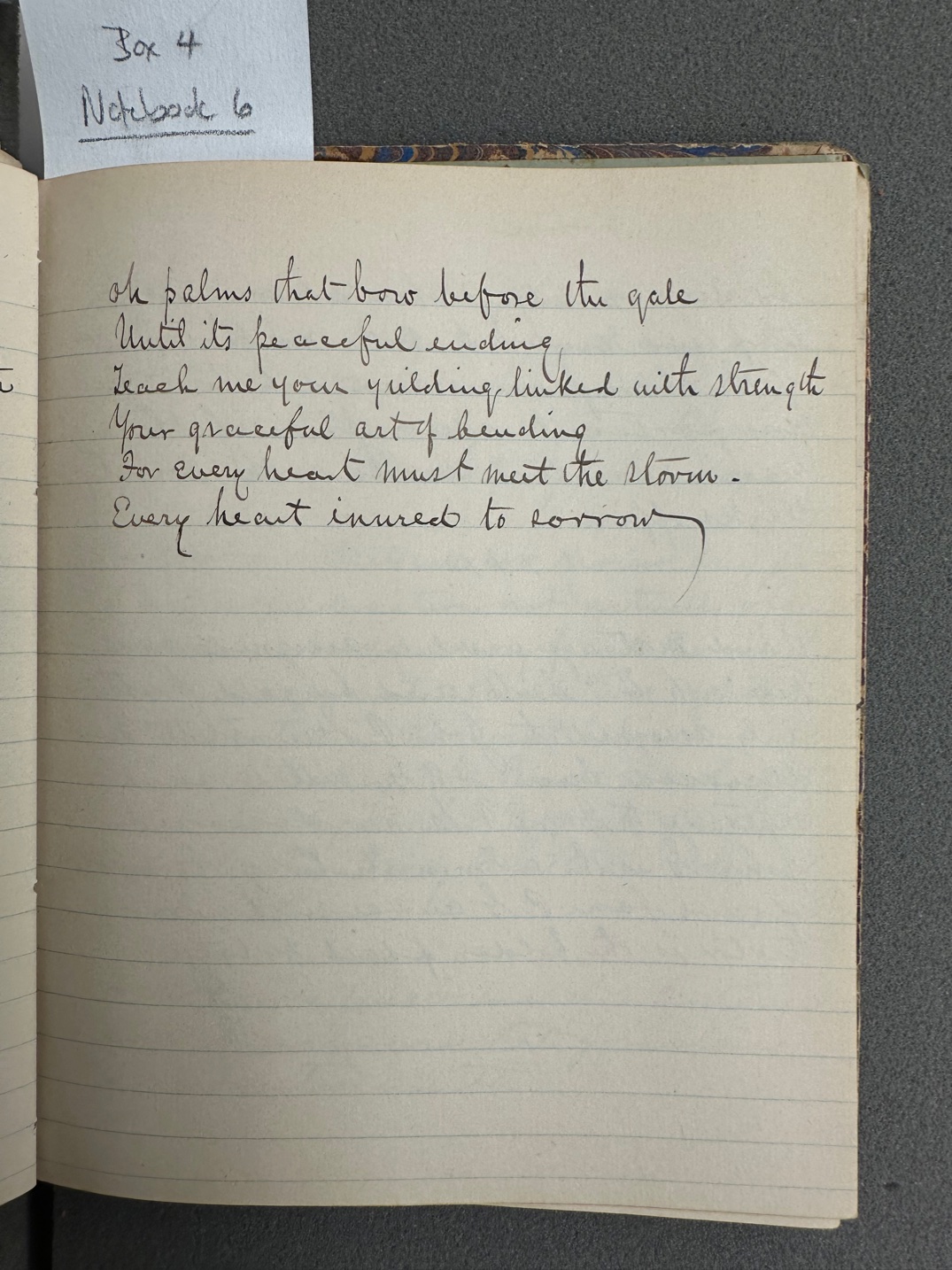
VI_9687
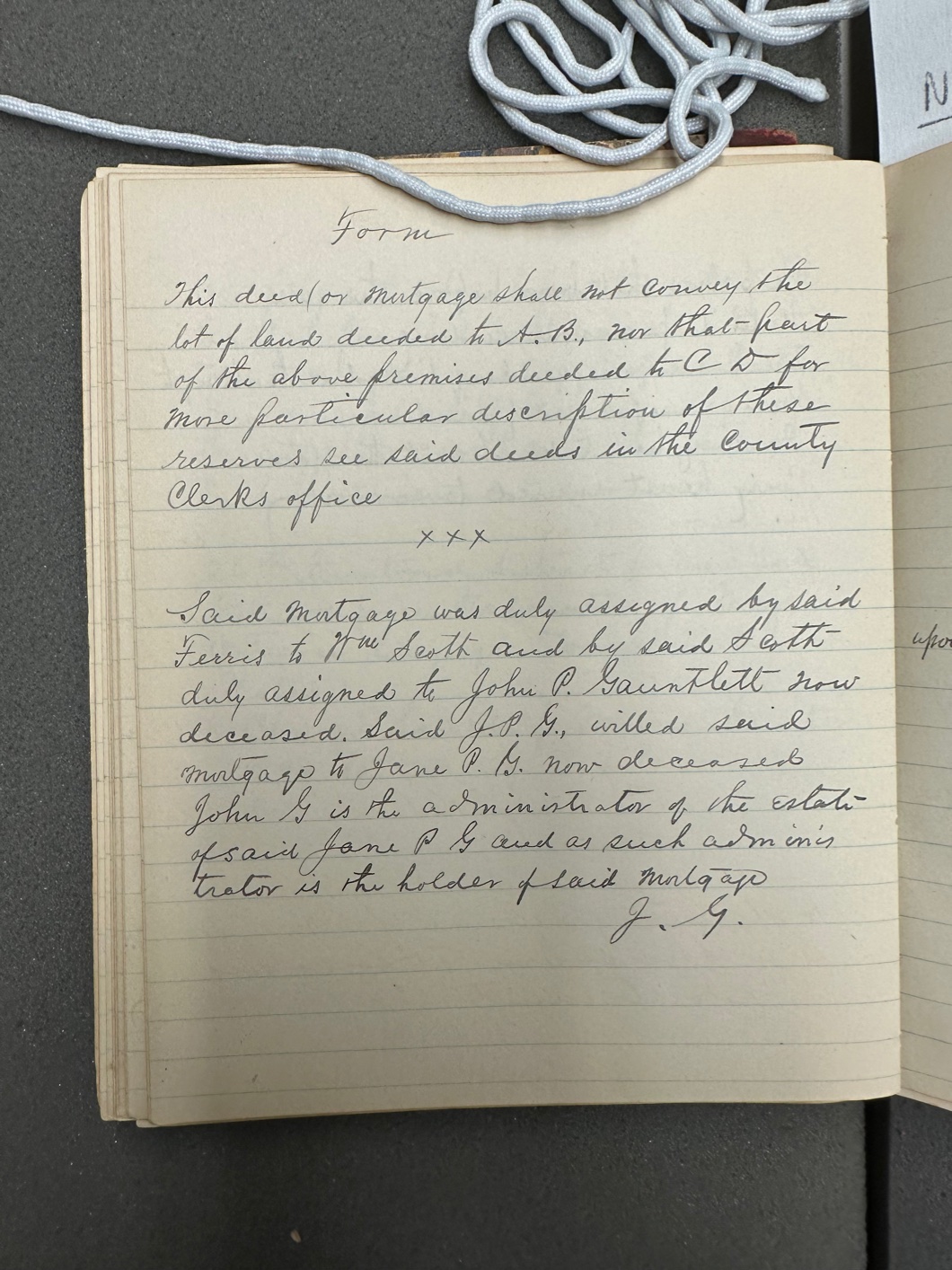
VI_9688
VI_9689
VI_9690
VI_9691
VI_9692
VI_9693
VI_9694
VI_9695
VI_9696
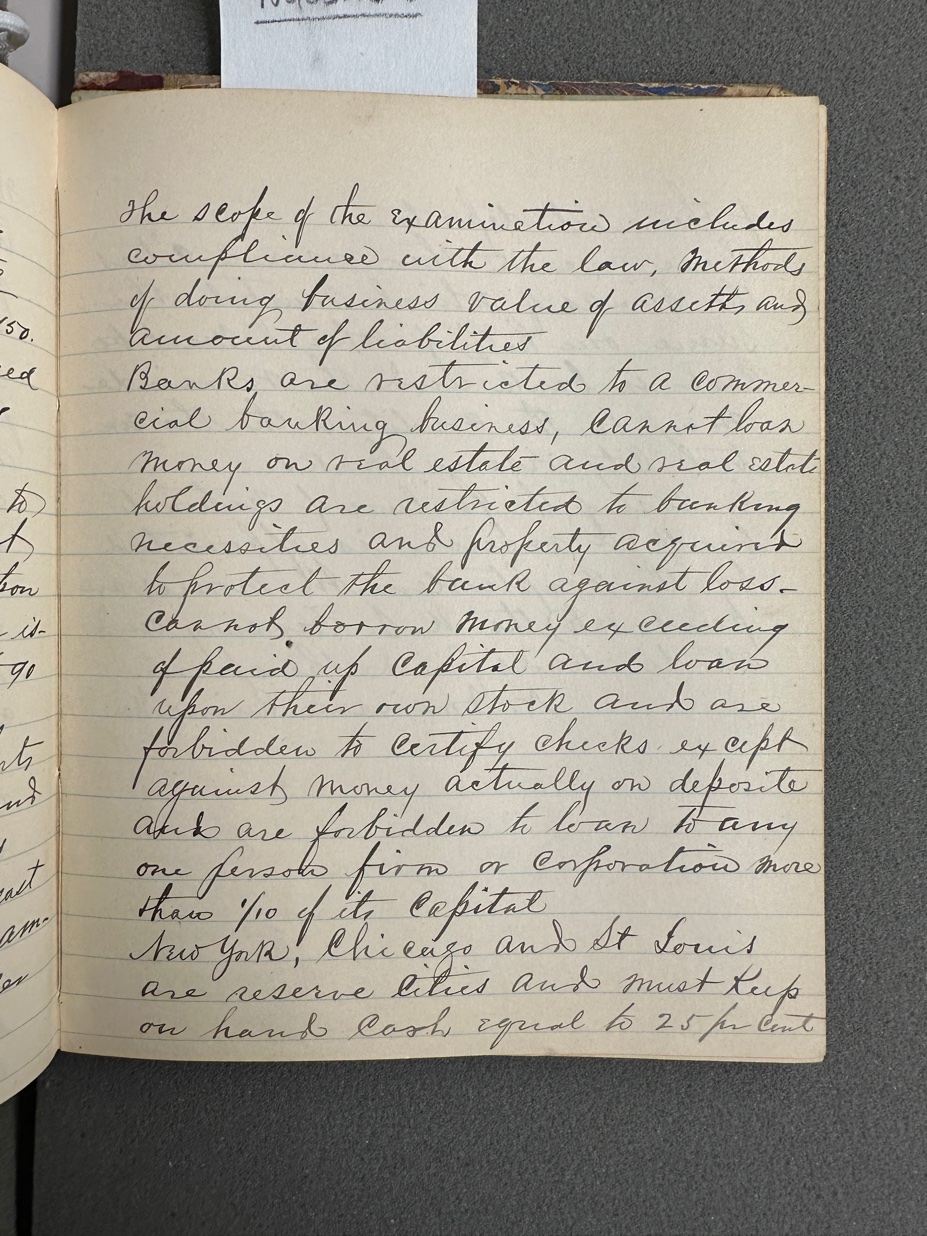
VI_9697
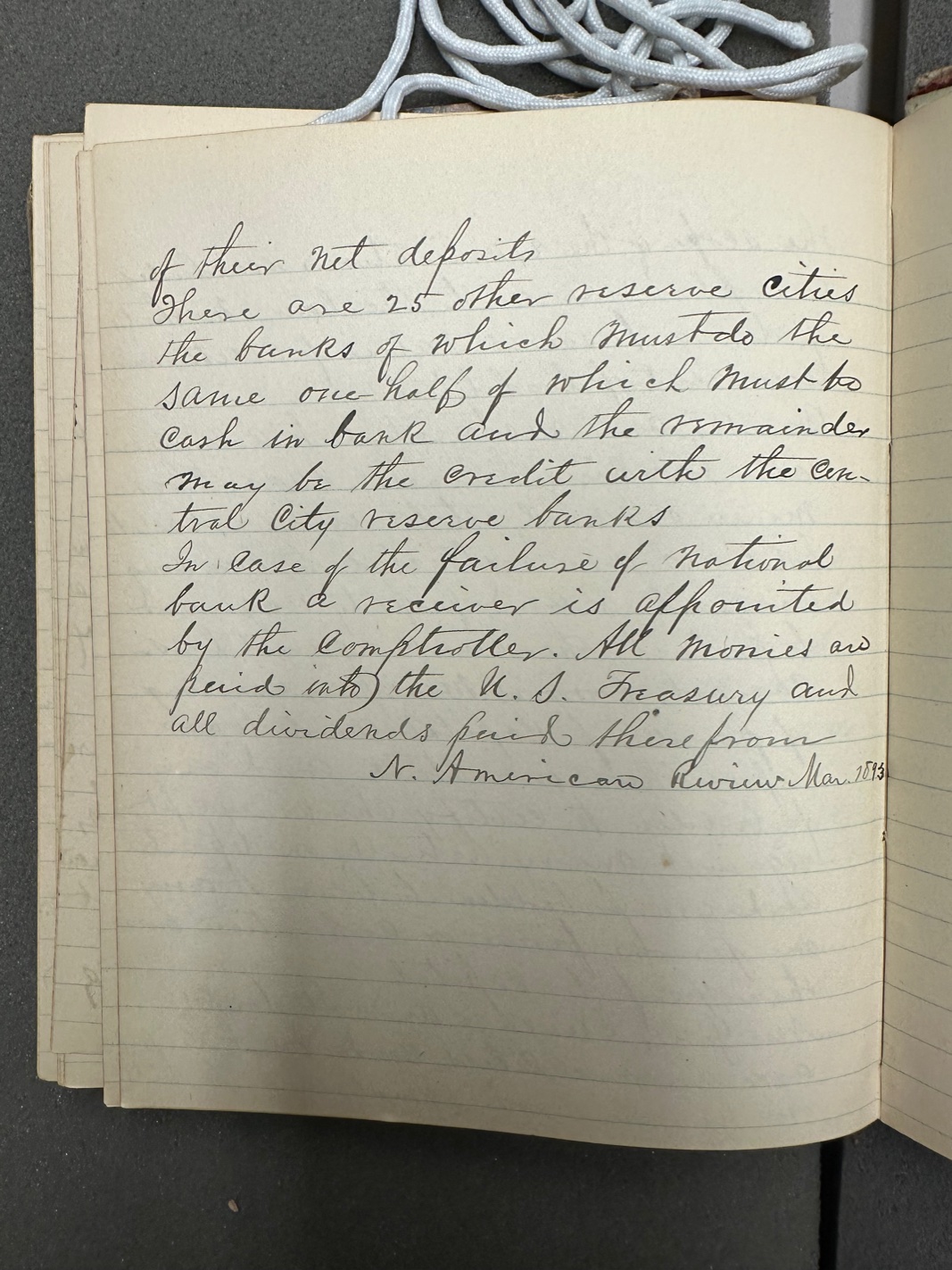
VI_9698
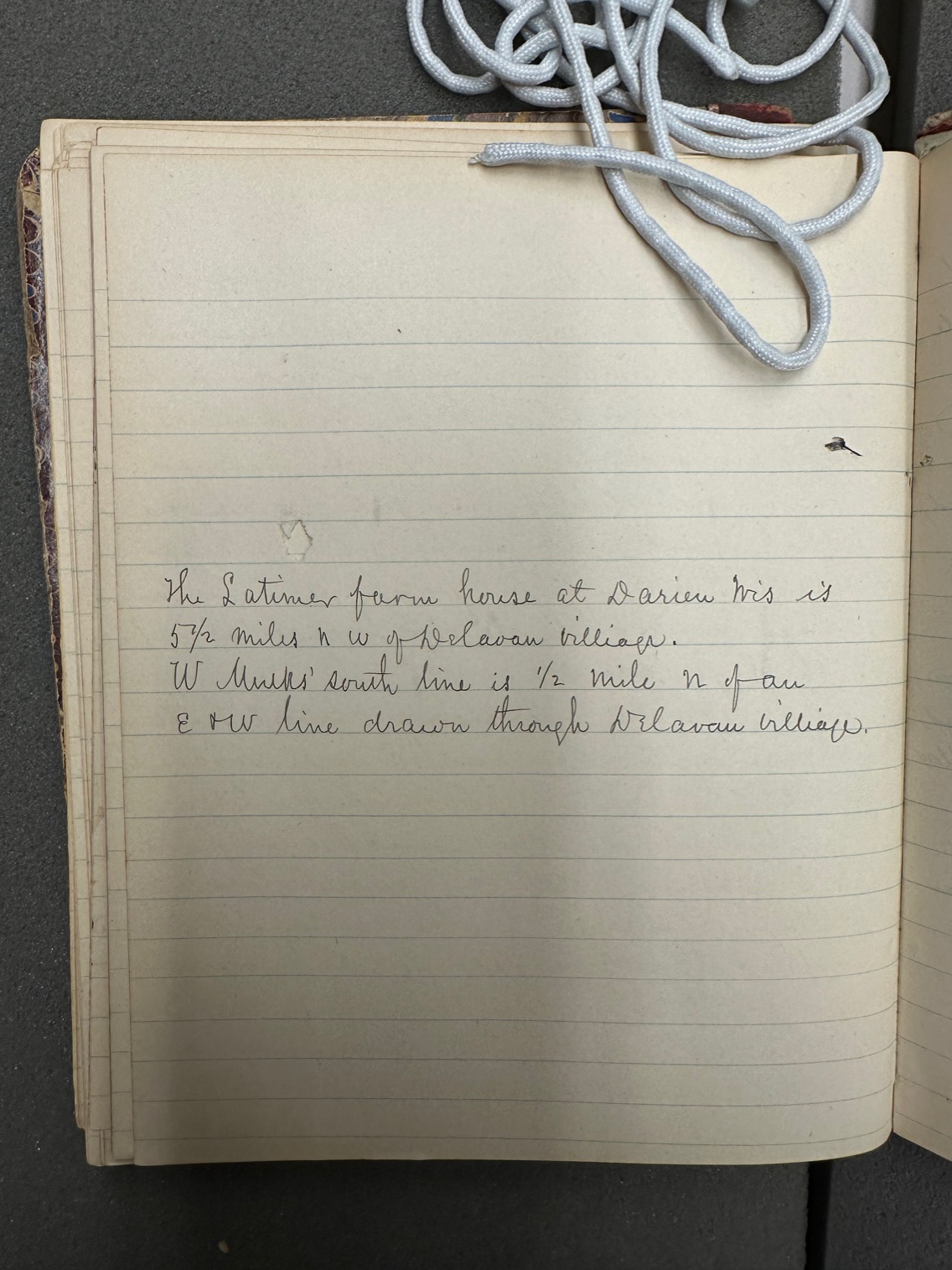
VI_9699
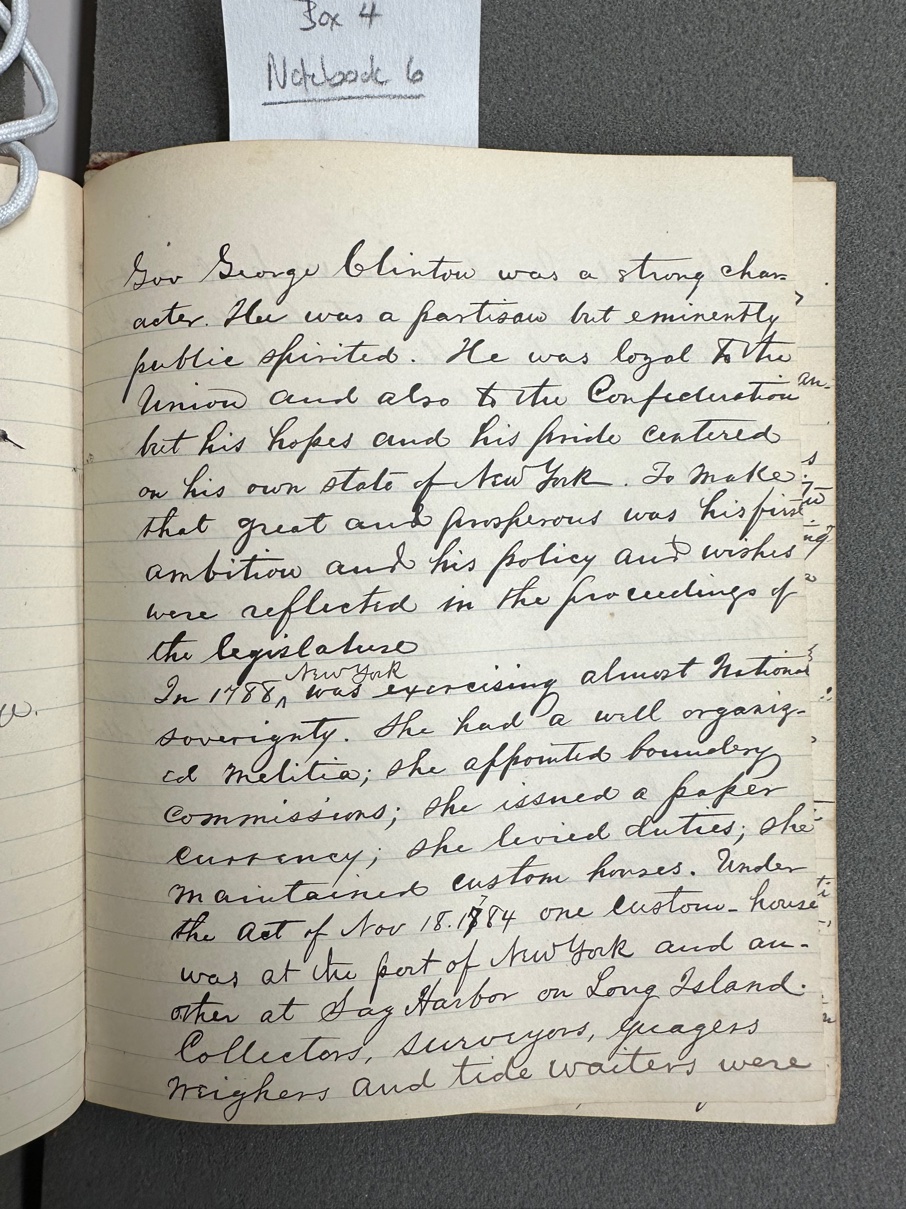
VI_9700
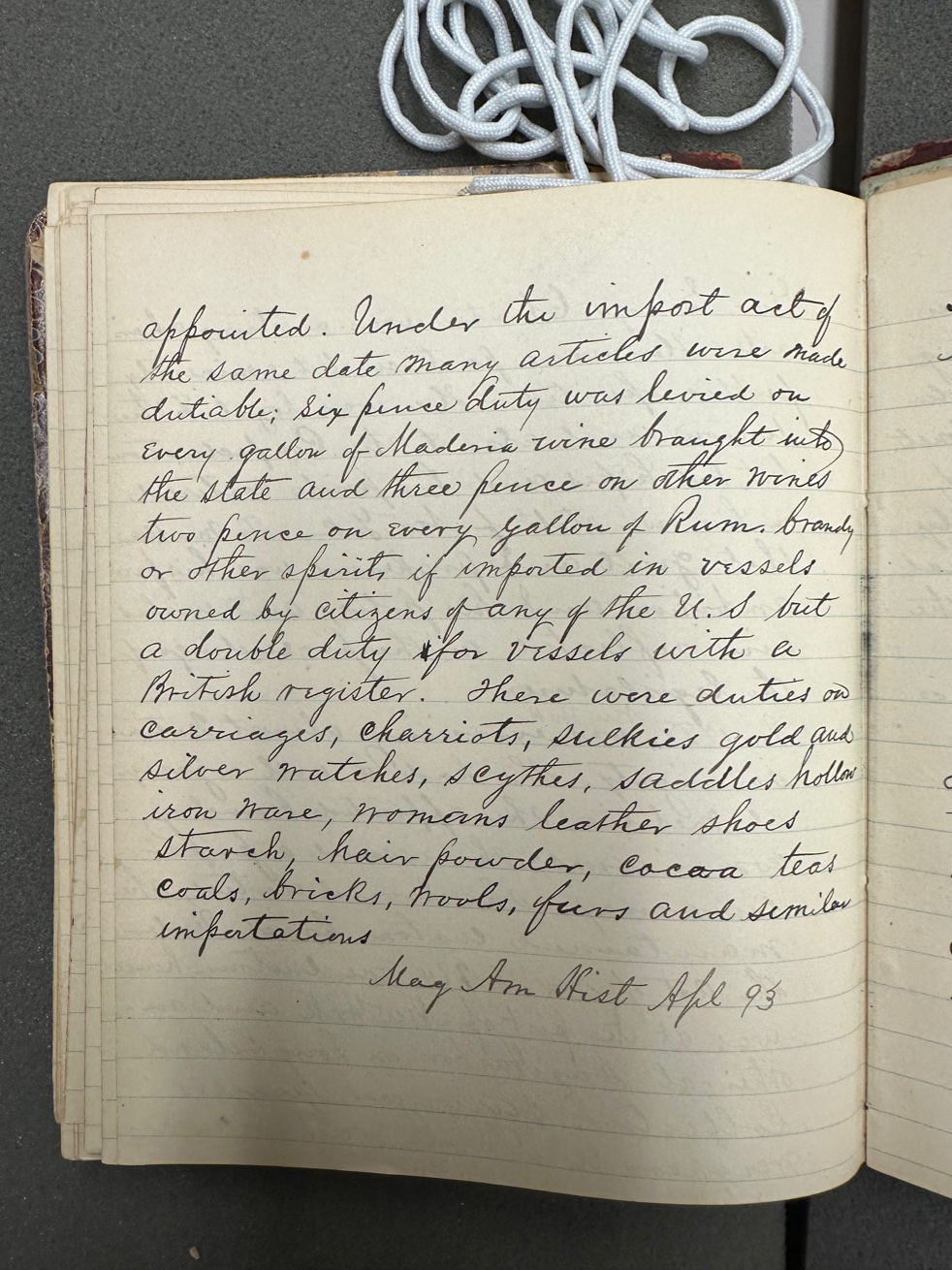
VI_9701
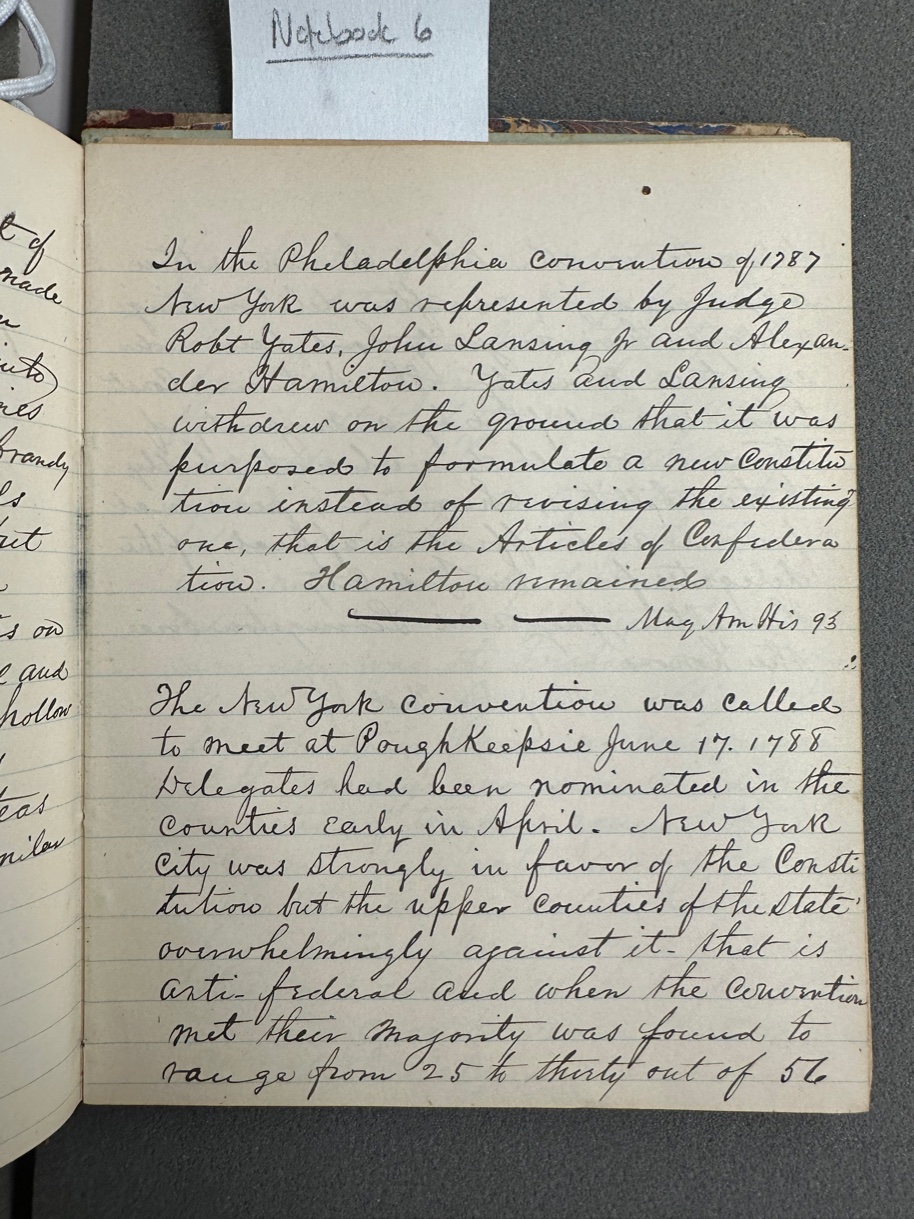
VI_9702
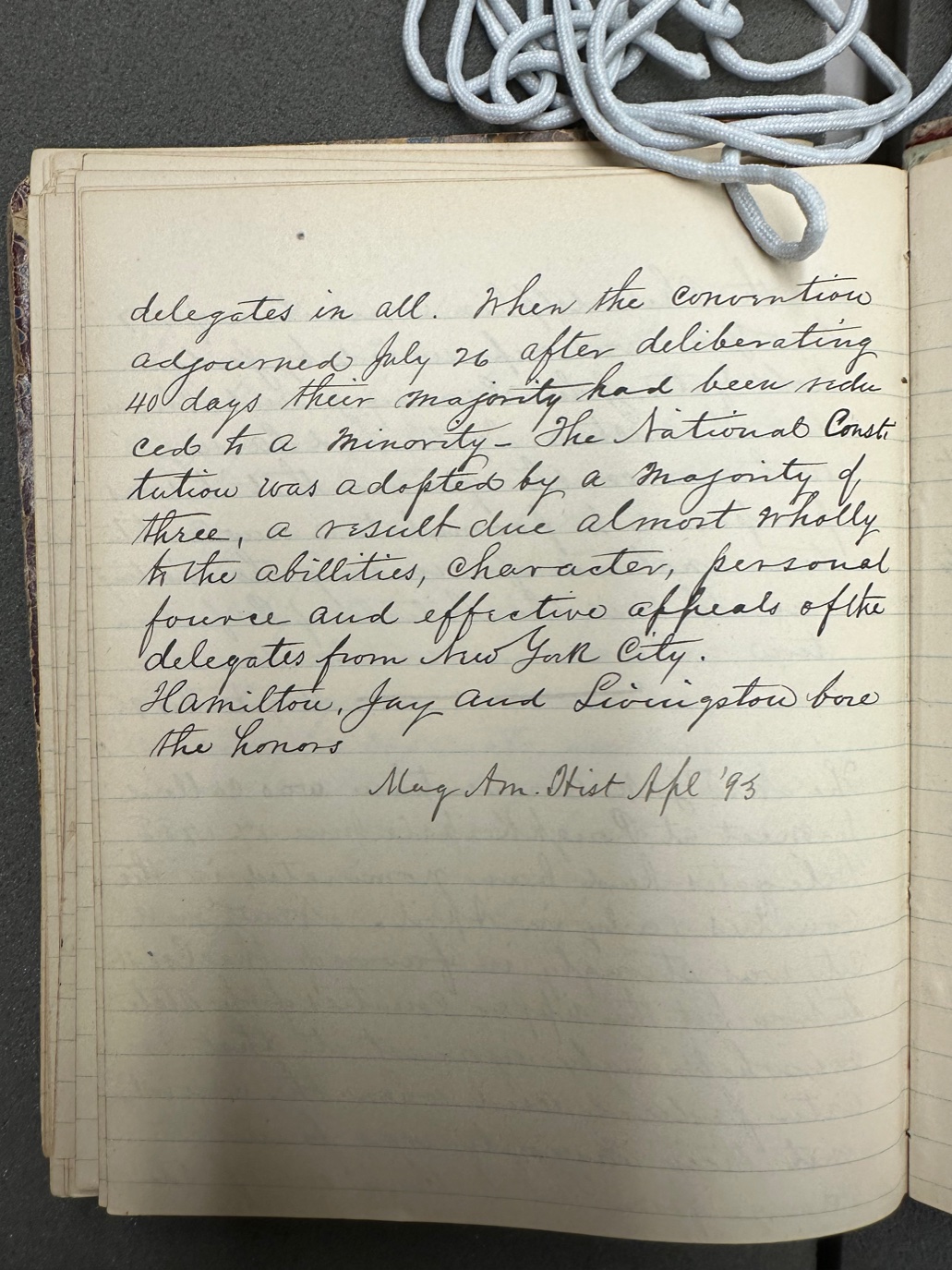
VI_9703
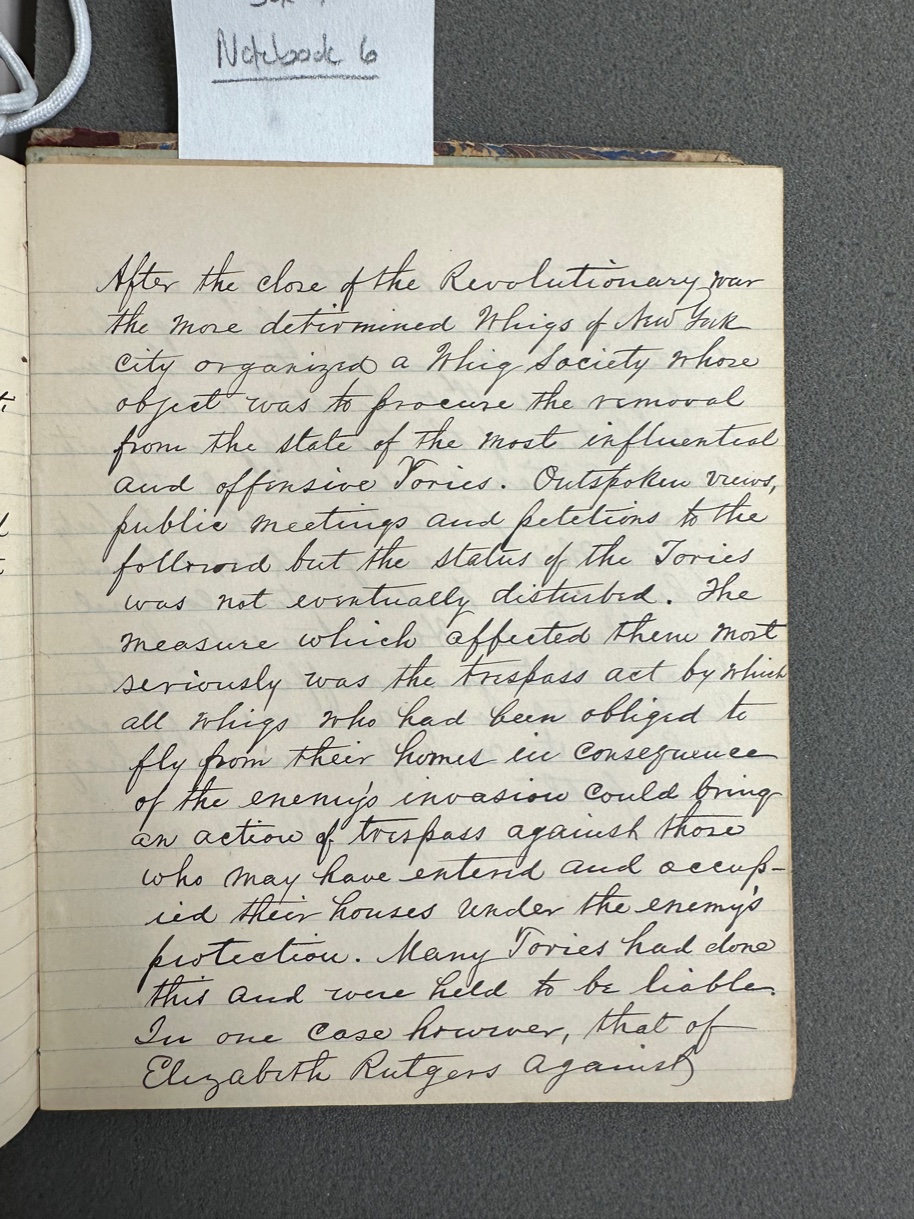
VI_9704
VI_9705
VI_9706
VI_9707
VI_9708
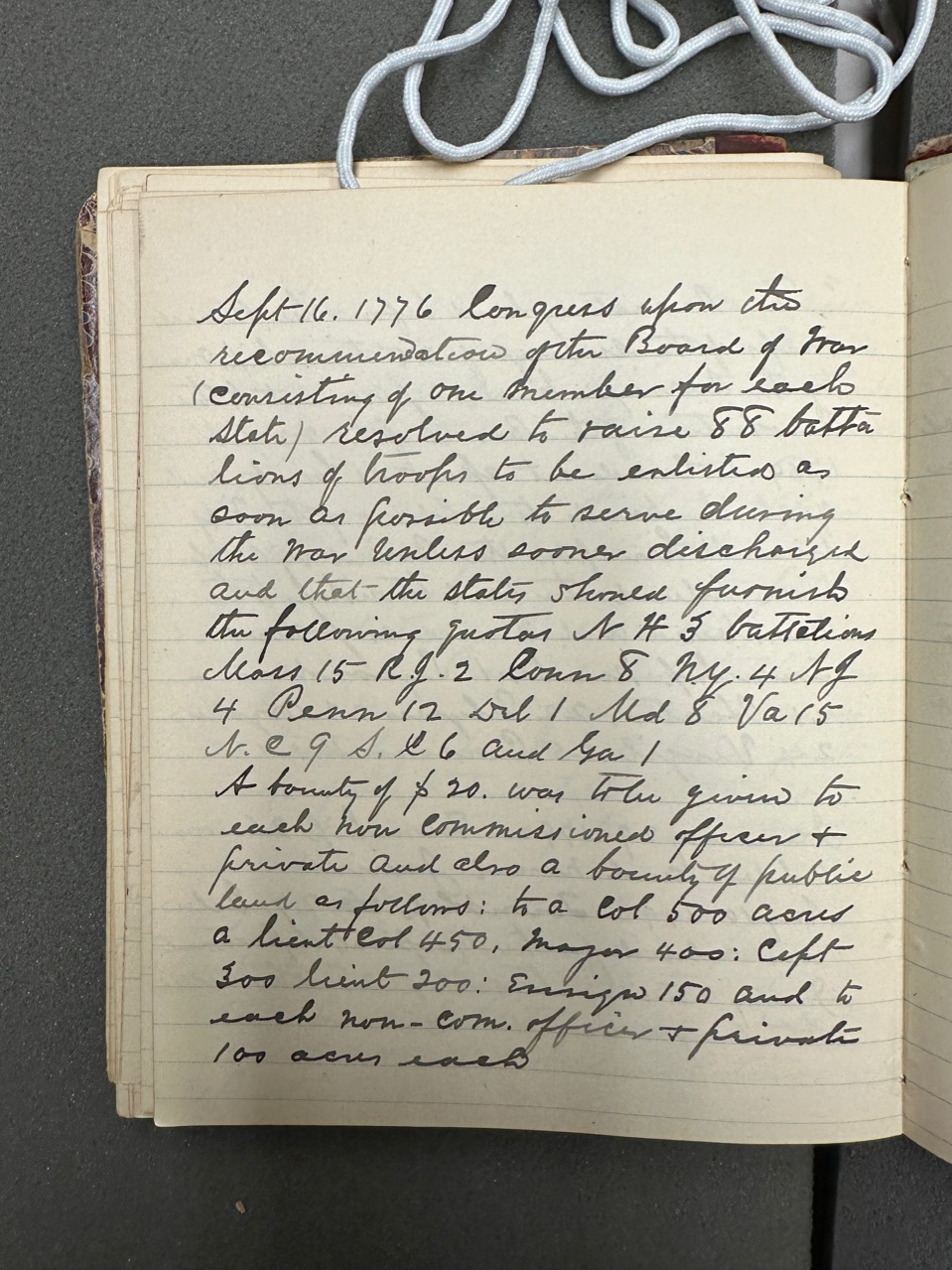
VI_9709
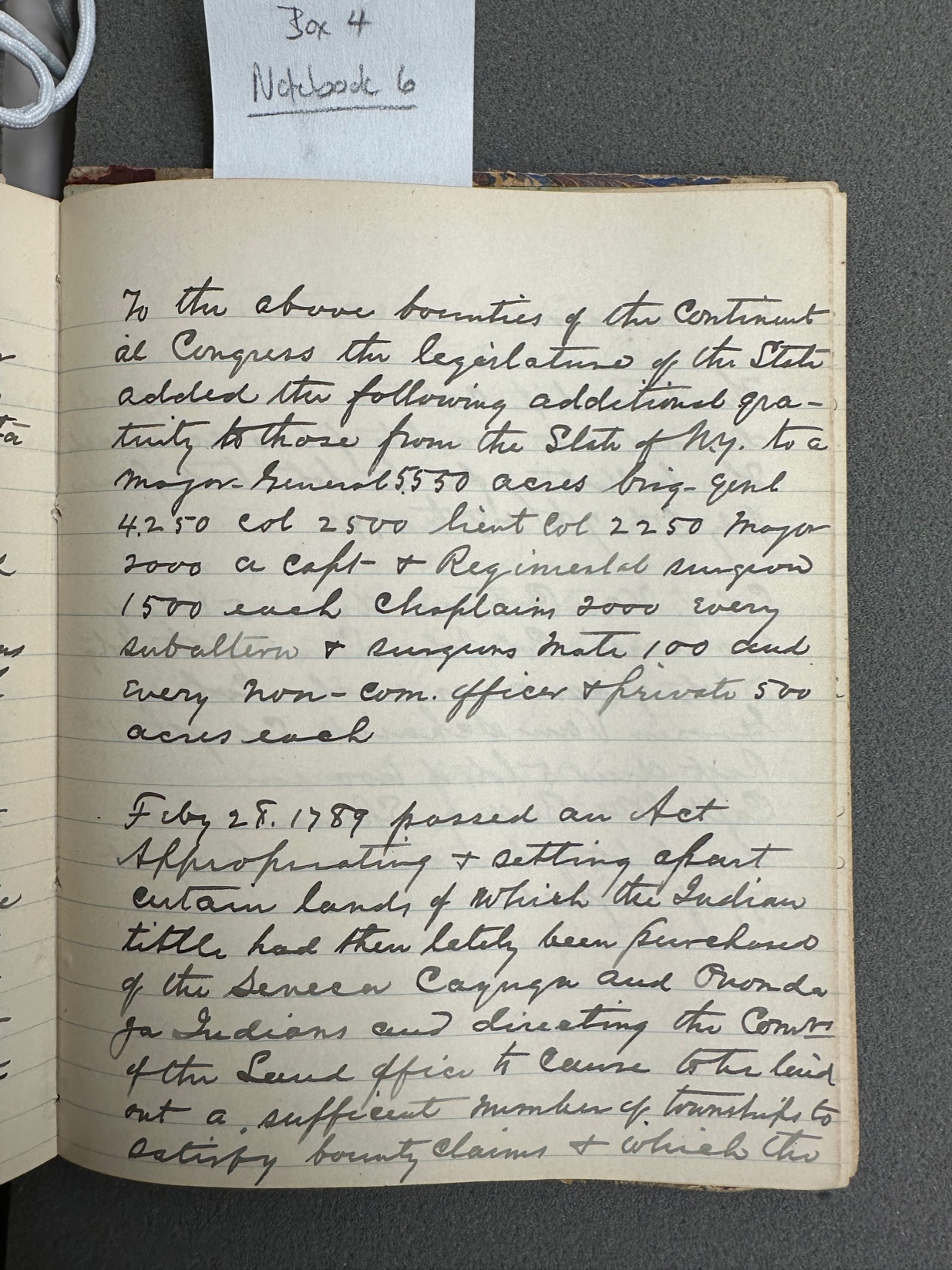
VI_9710
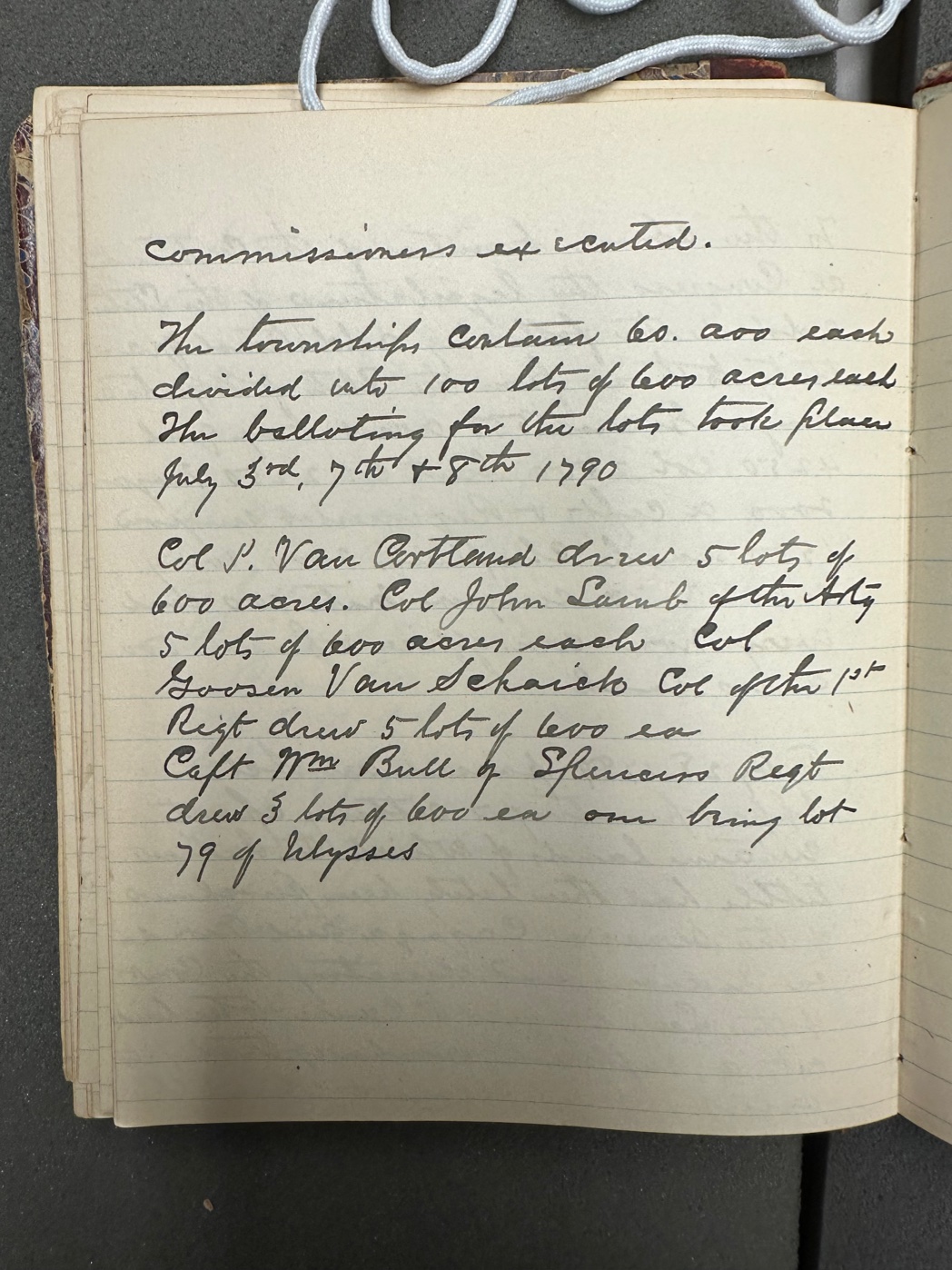
VI_9711
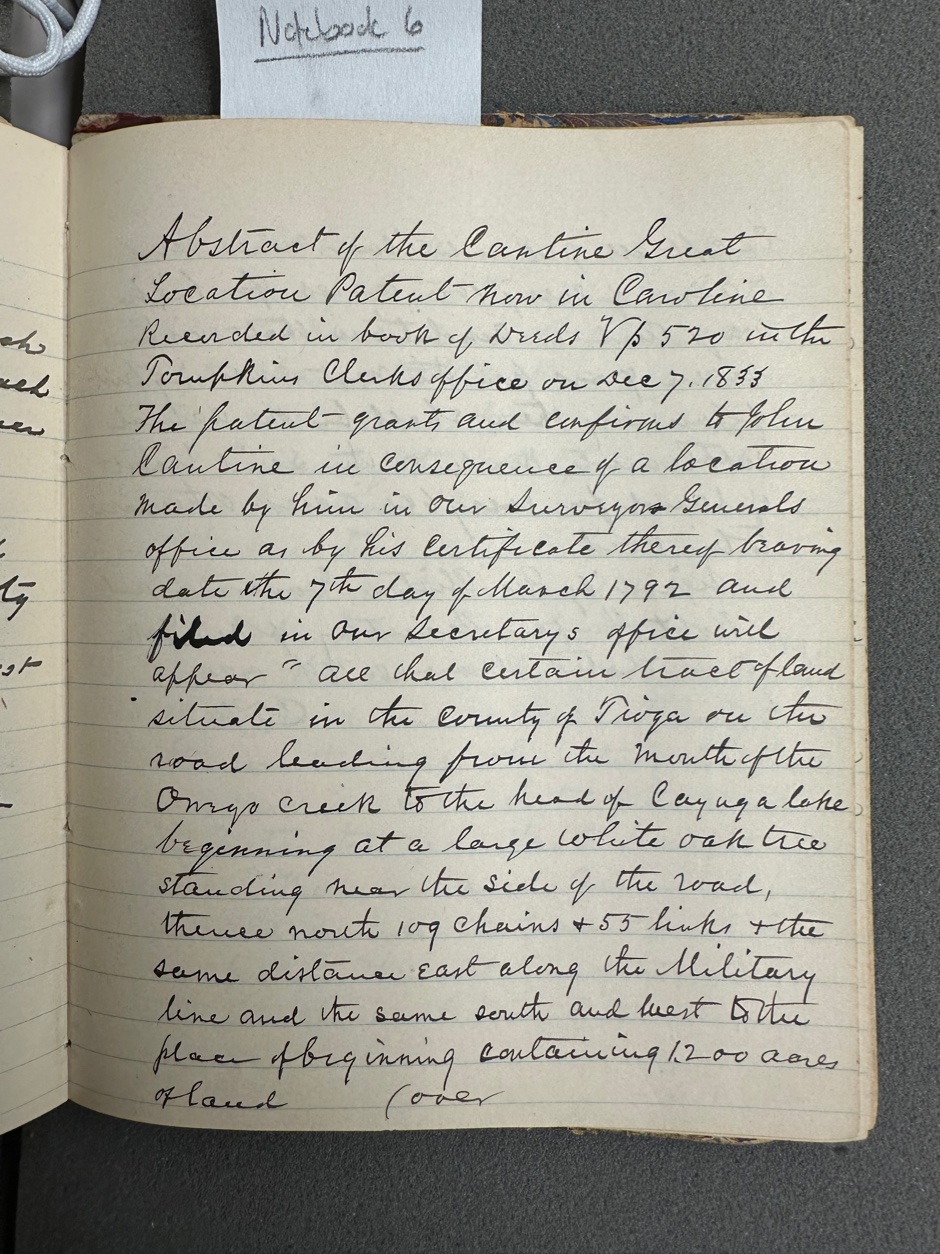
VI_9712
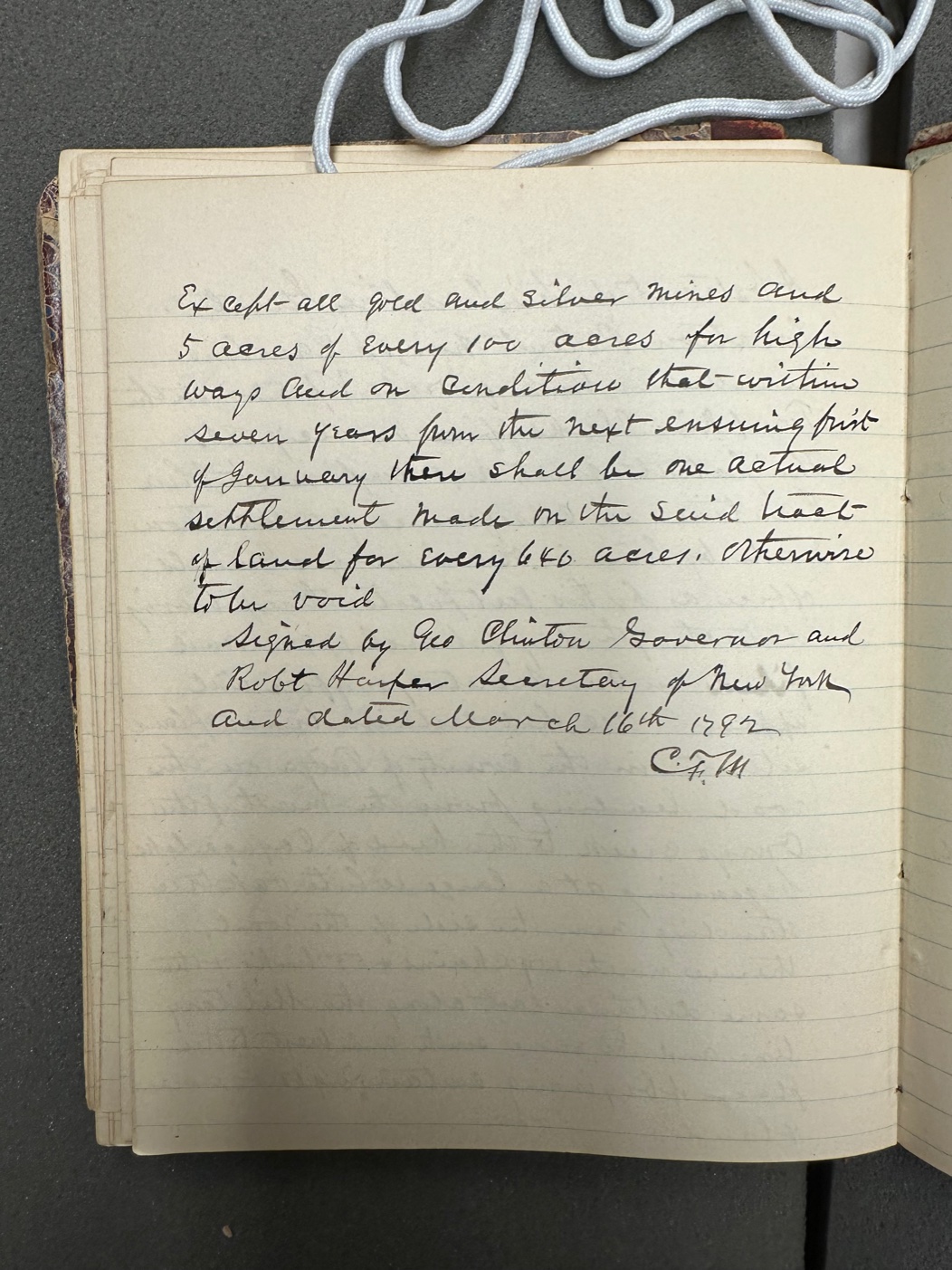
VI_9714
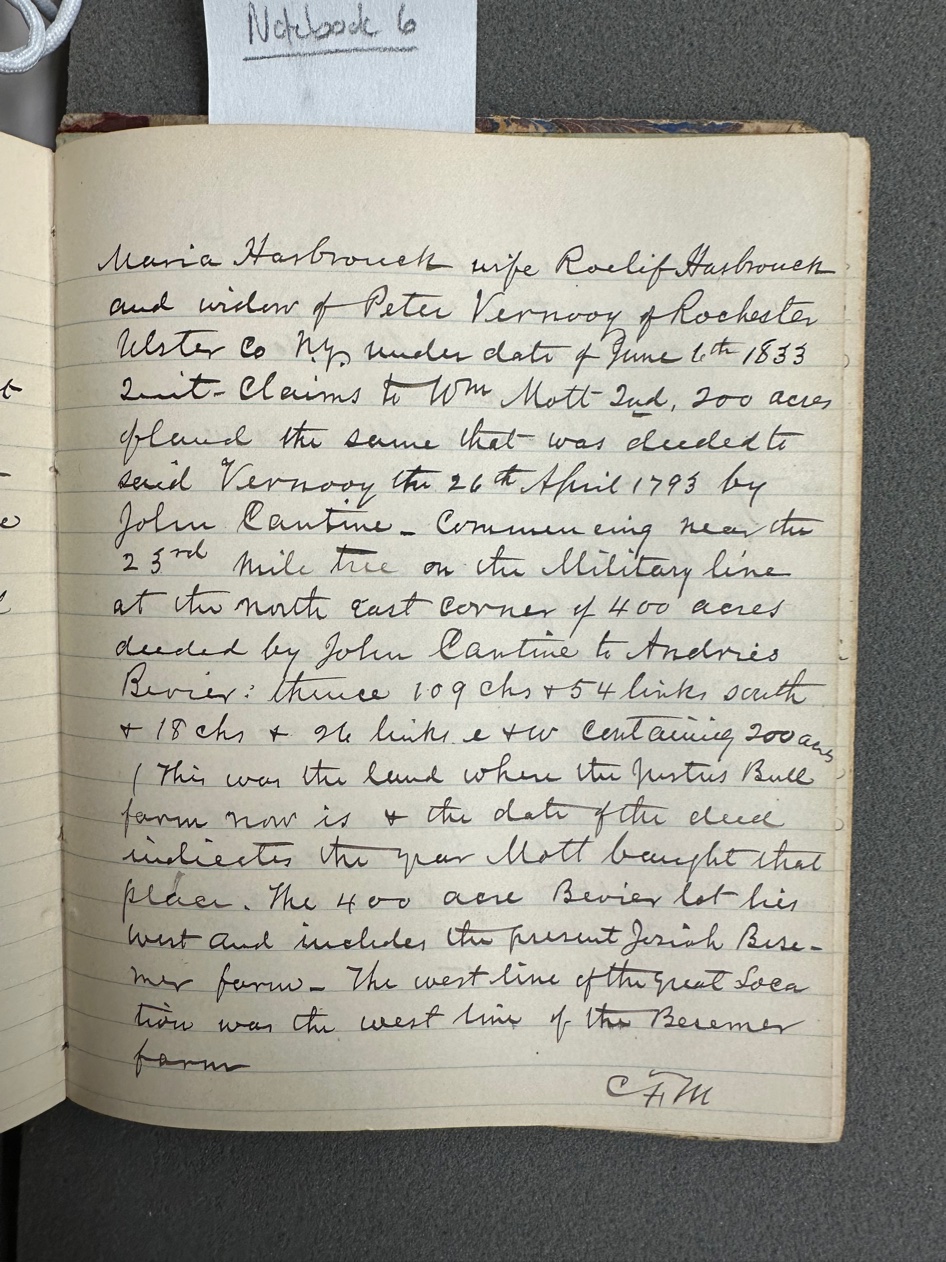
VI_9715
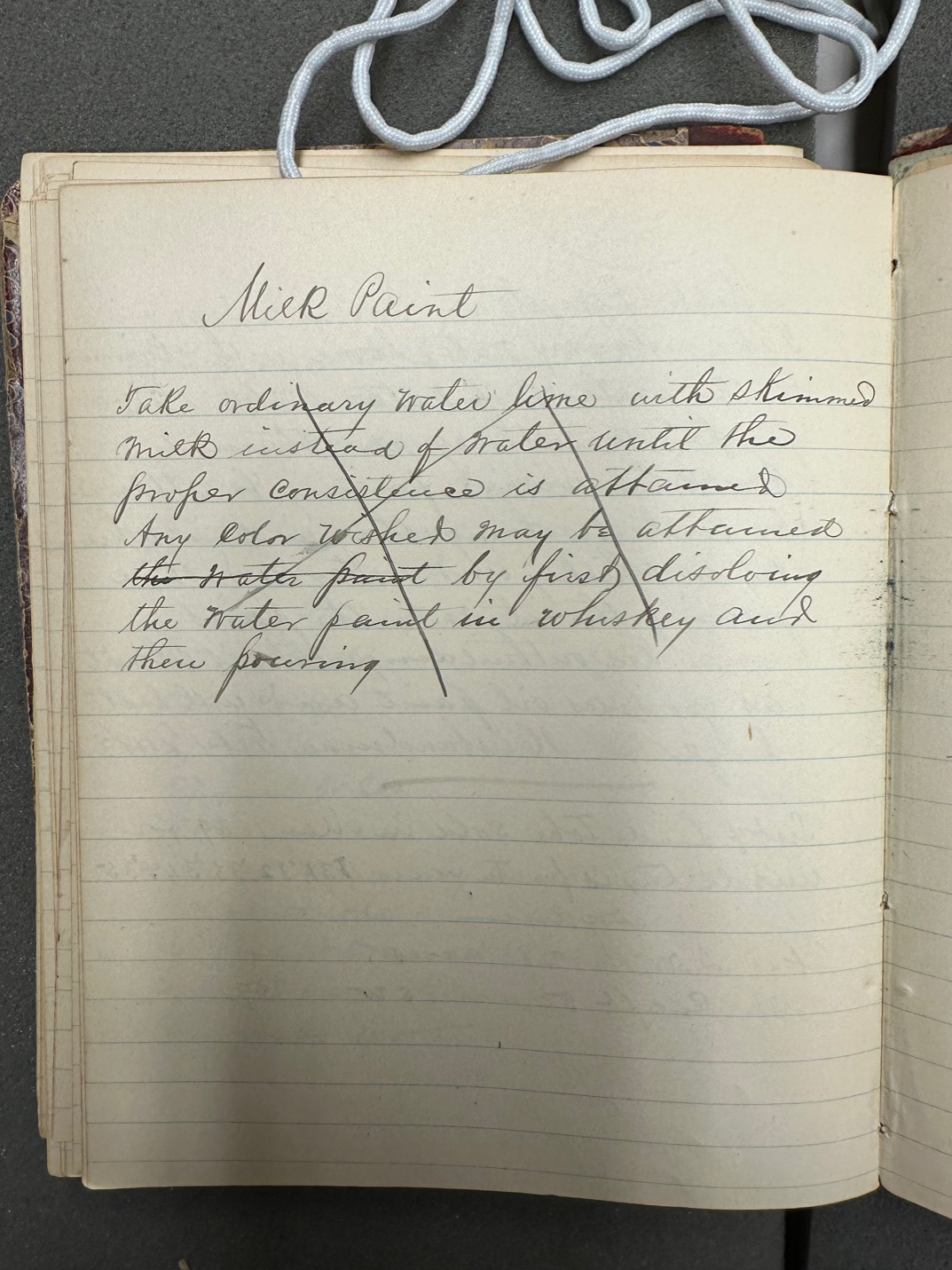
VI_9716
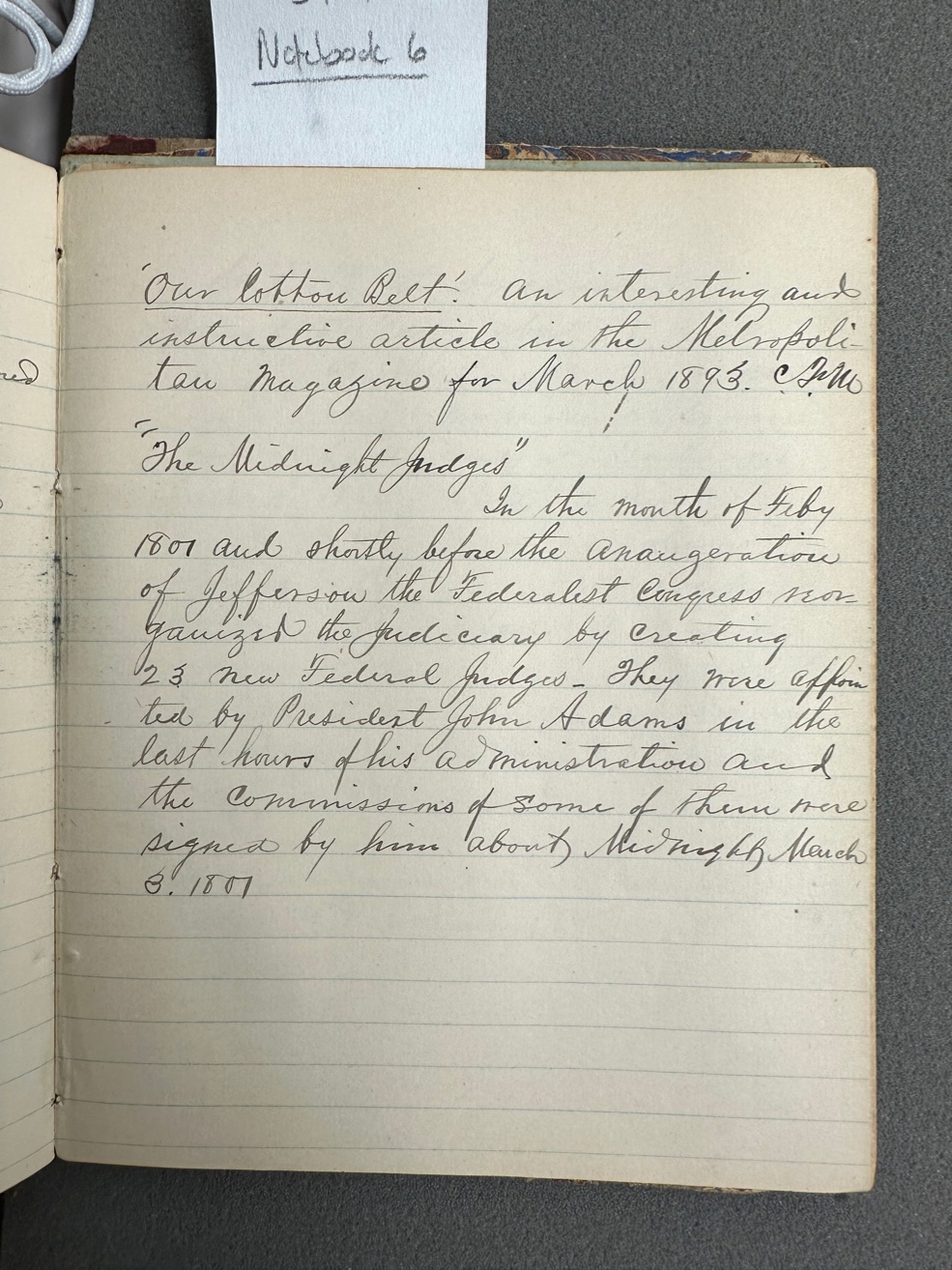
VI_9717
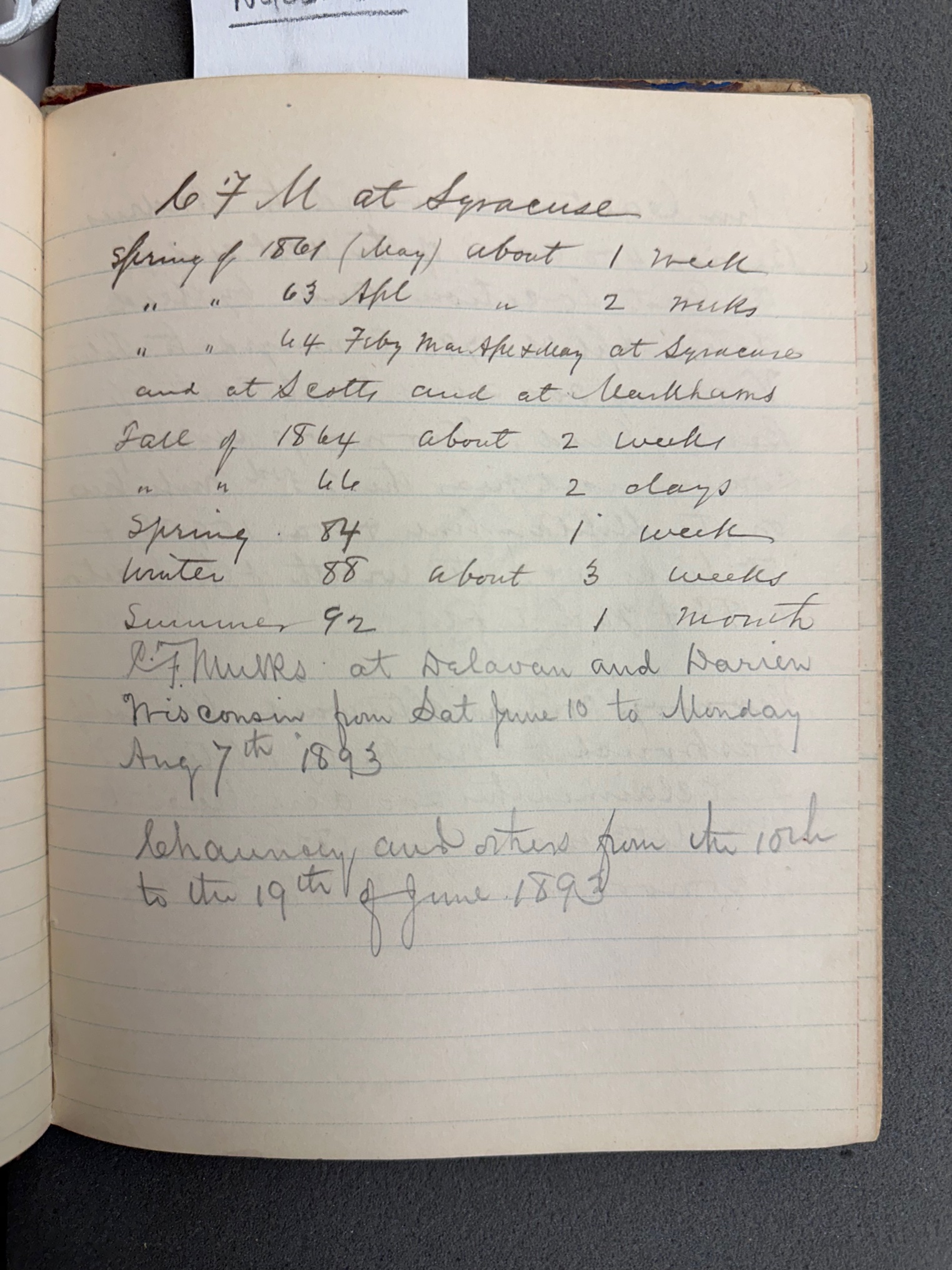
VI_9718
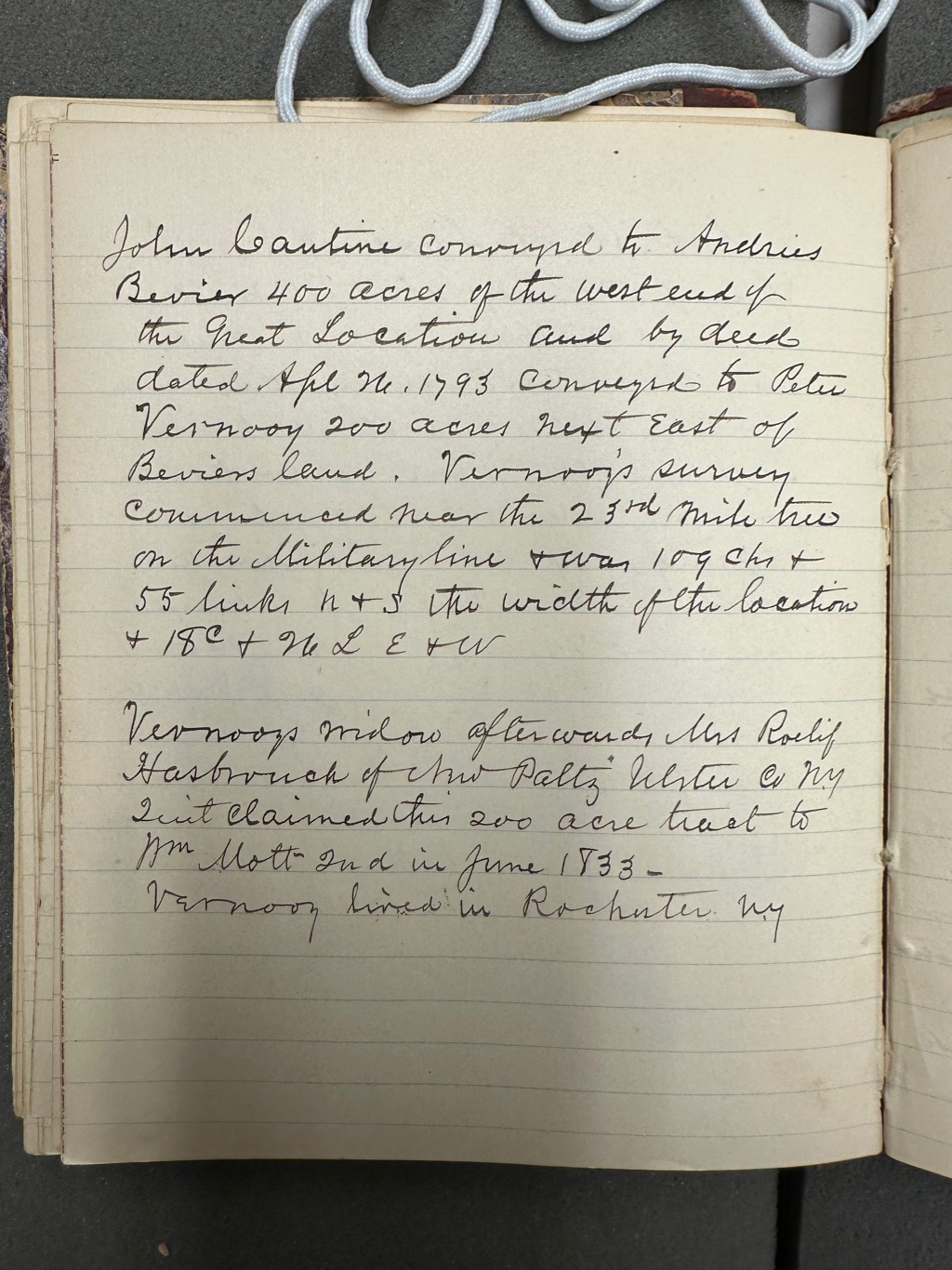
VI_9719
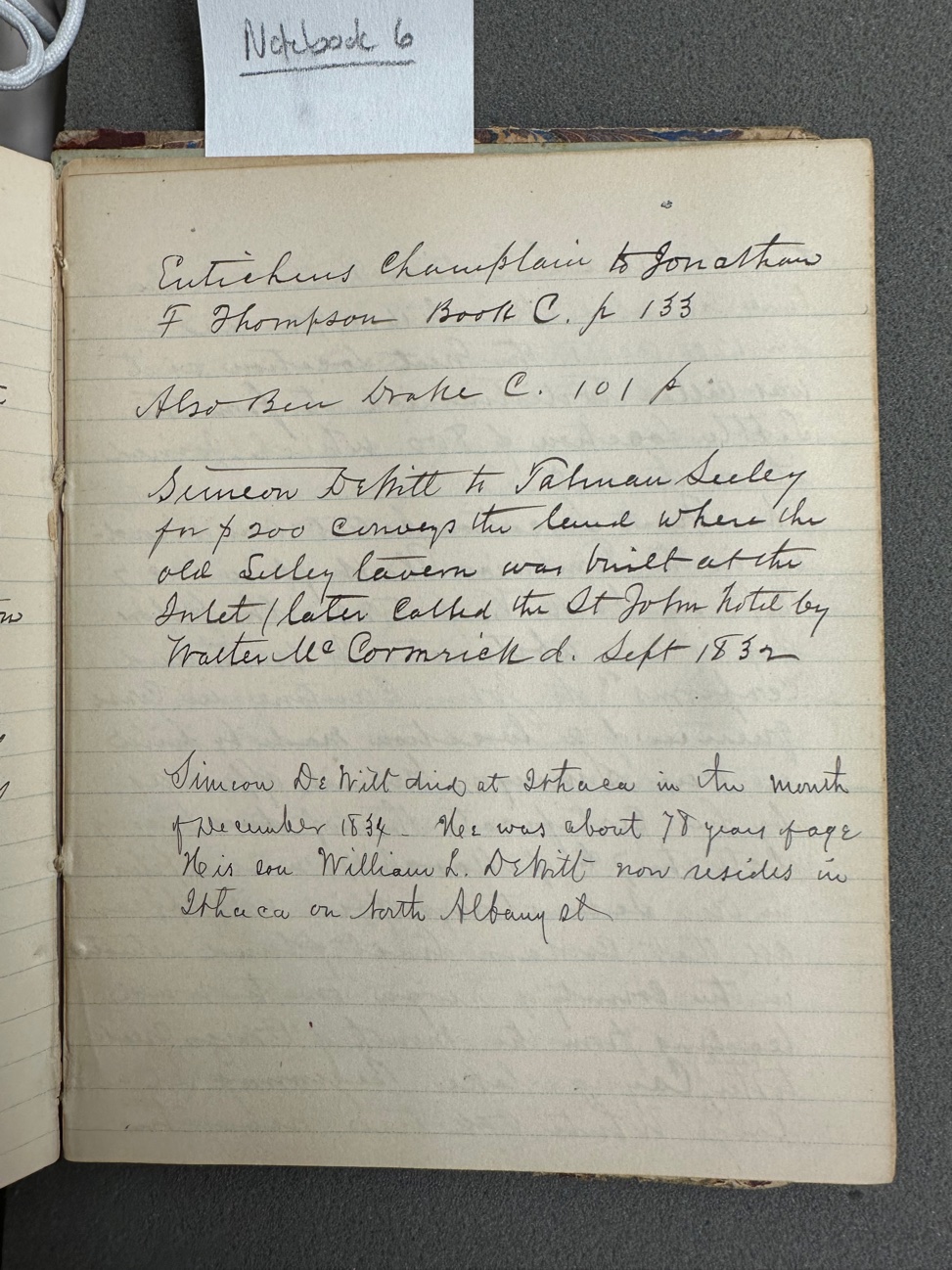
VI_9720
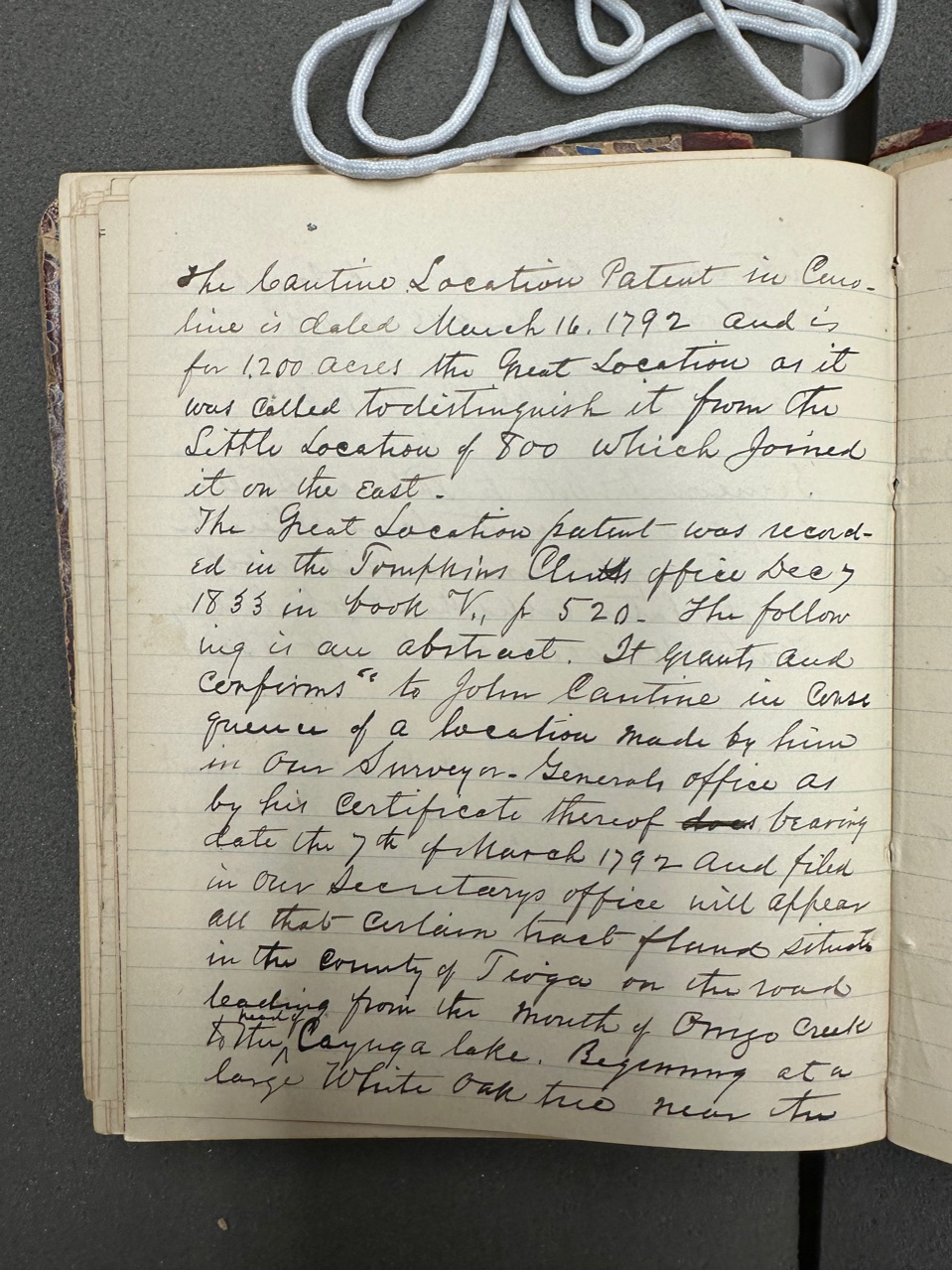
VI_9721
VI_9722
VI_9723
VI_9724
VI_9725
VI_9726
VI_9727
VI_9728
VI_9729
VI_9730
VI_9731
VI_9732
VI_9733
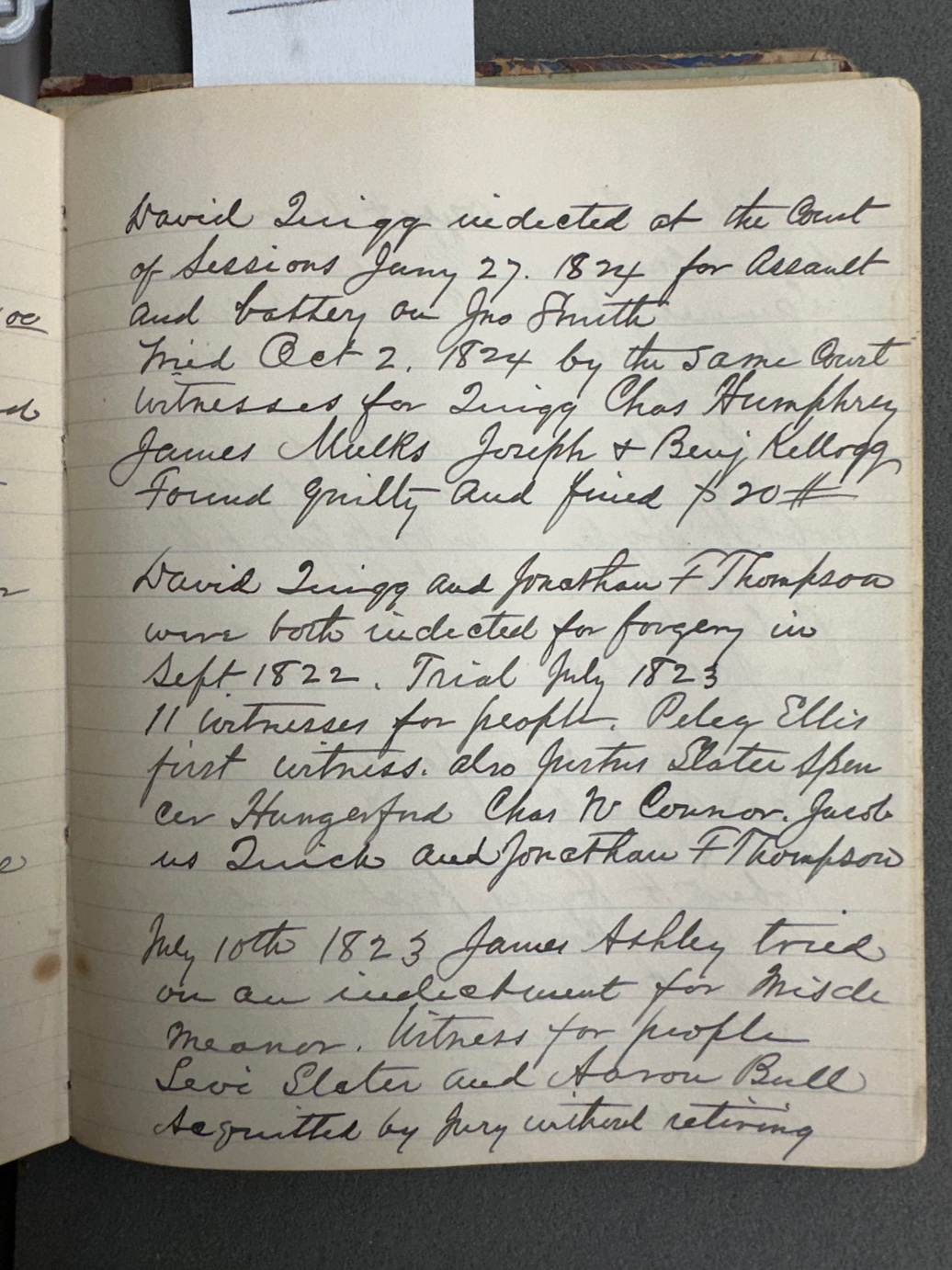
VI_9734
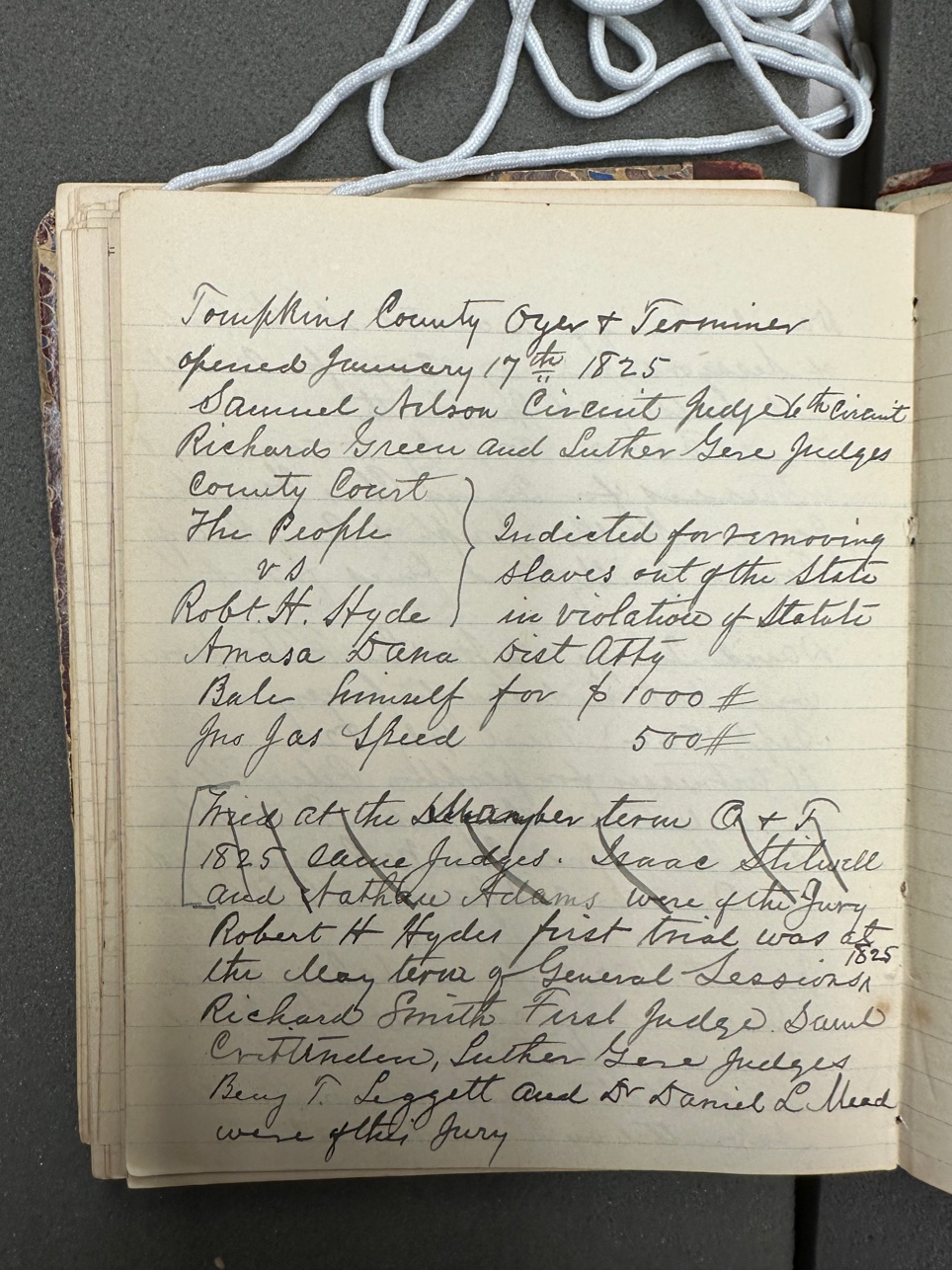
VI_9735
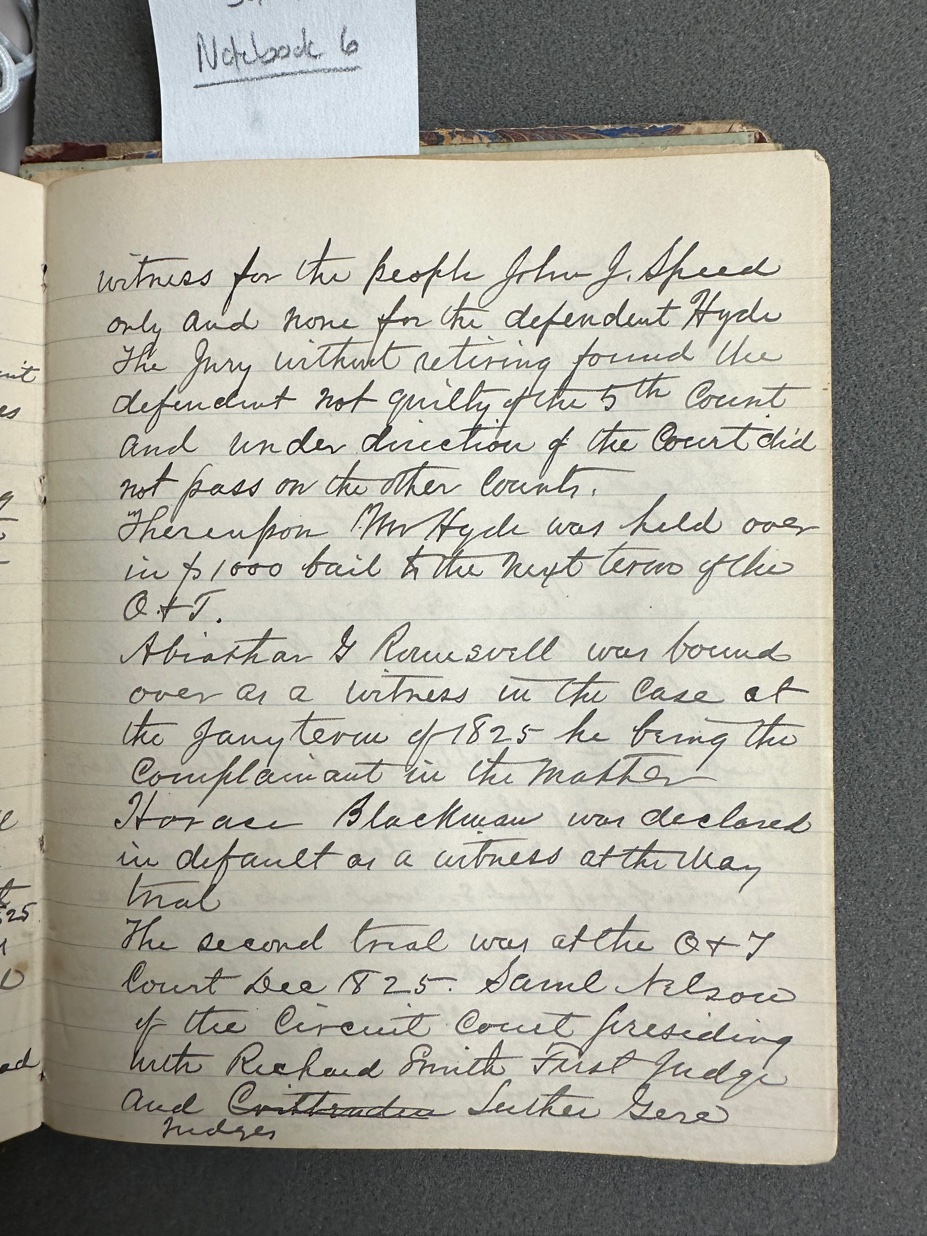
VI_9736
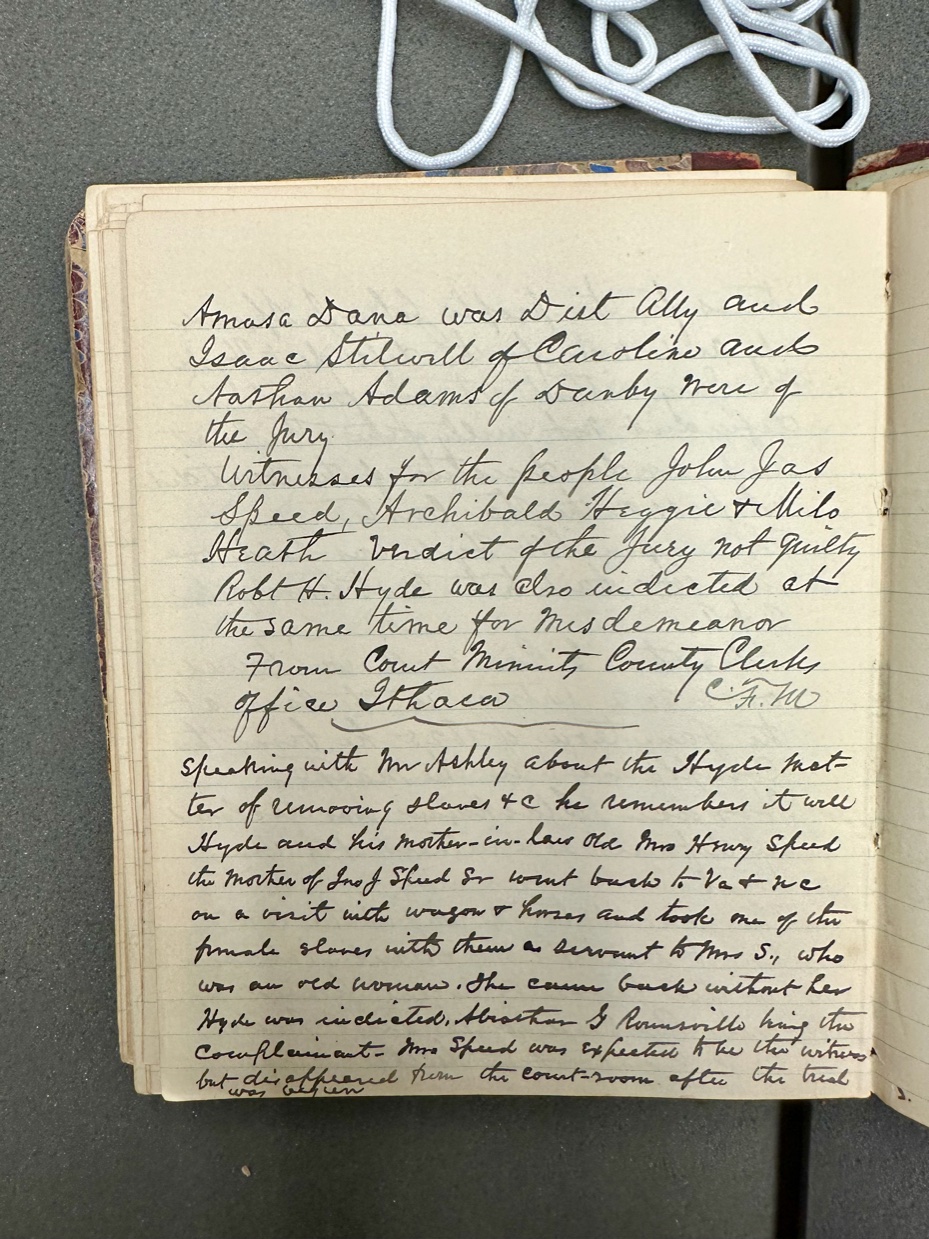
VI_9737
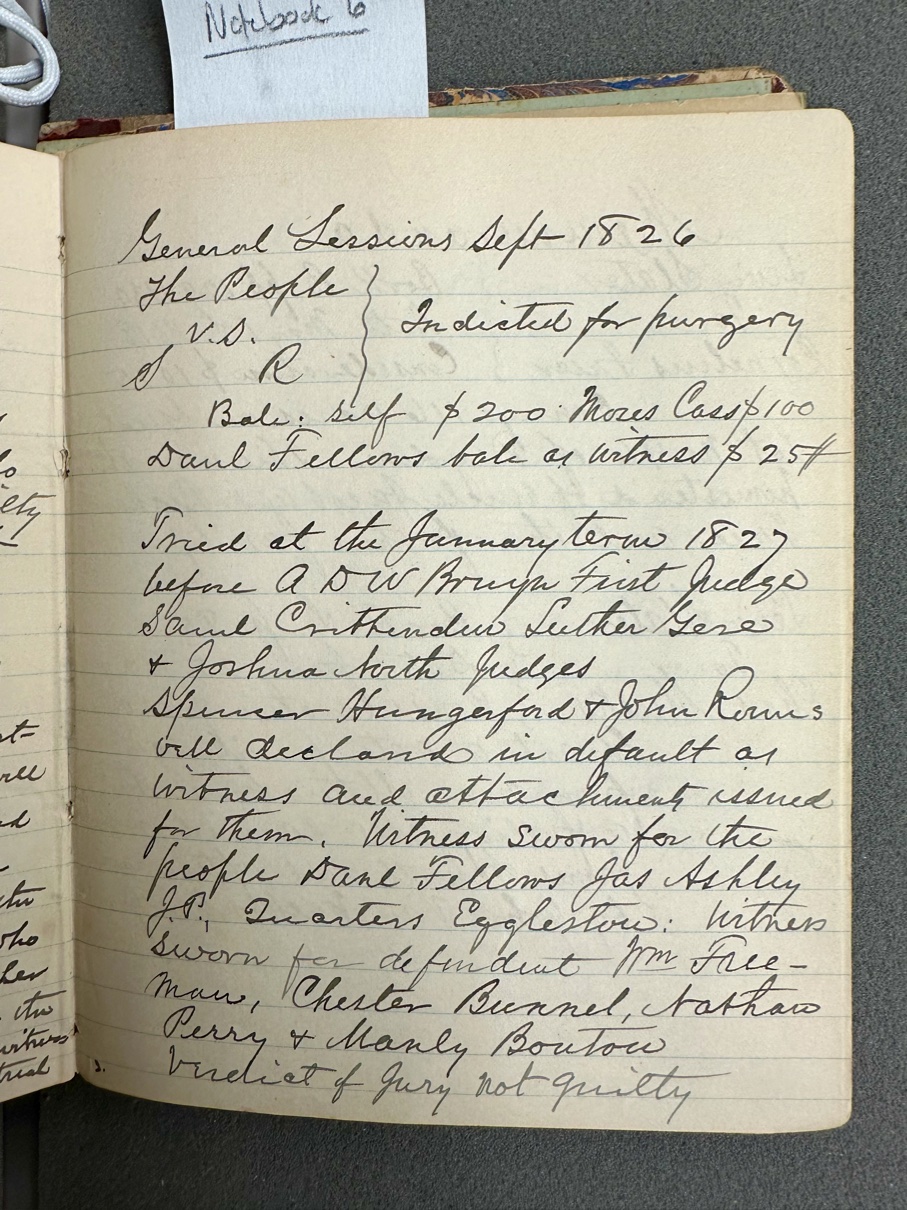
VI_9738
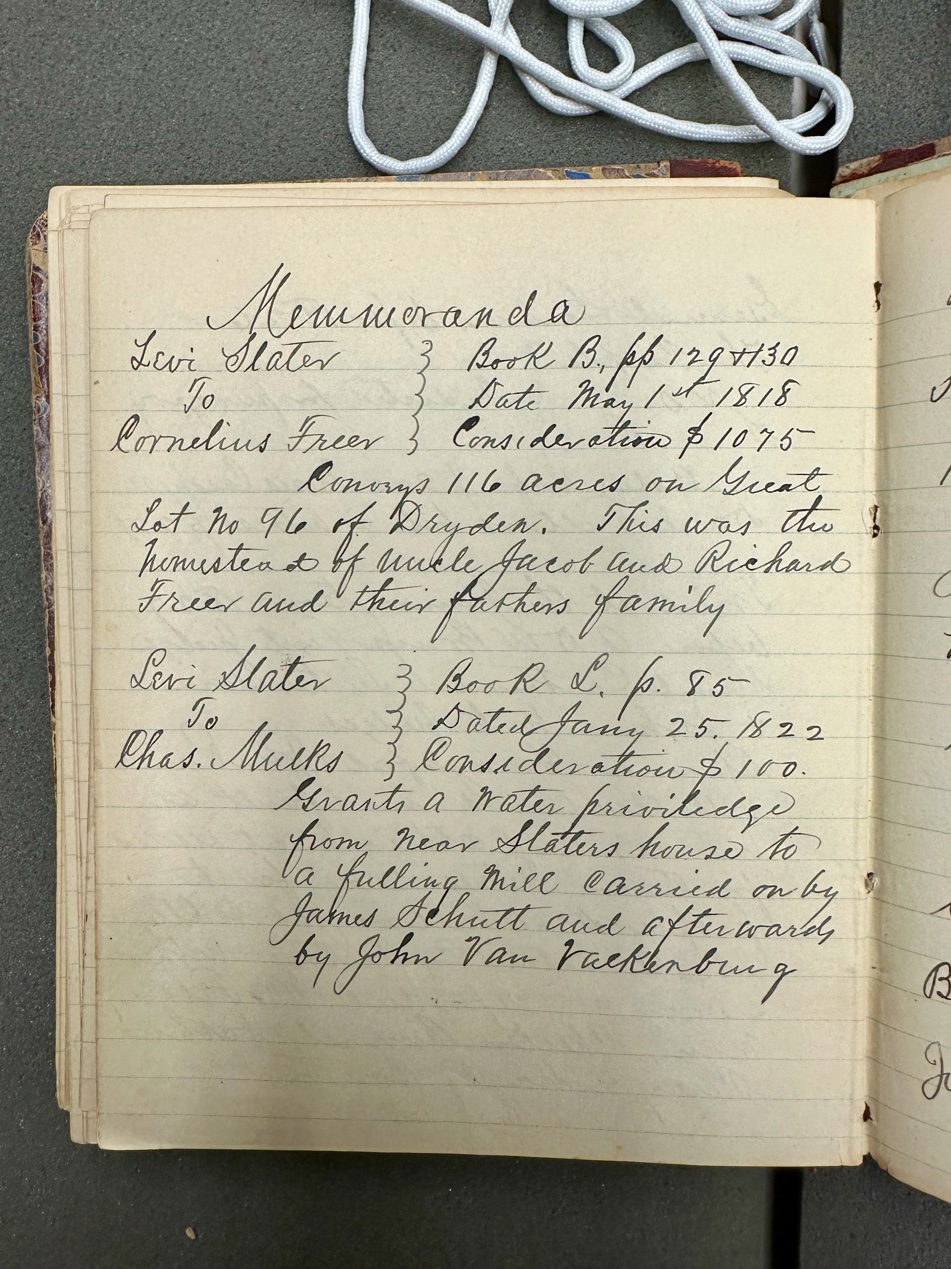
VI_9739
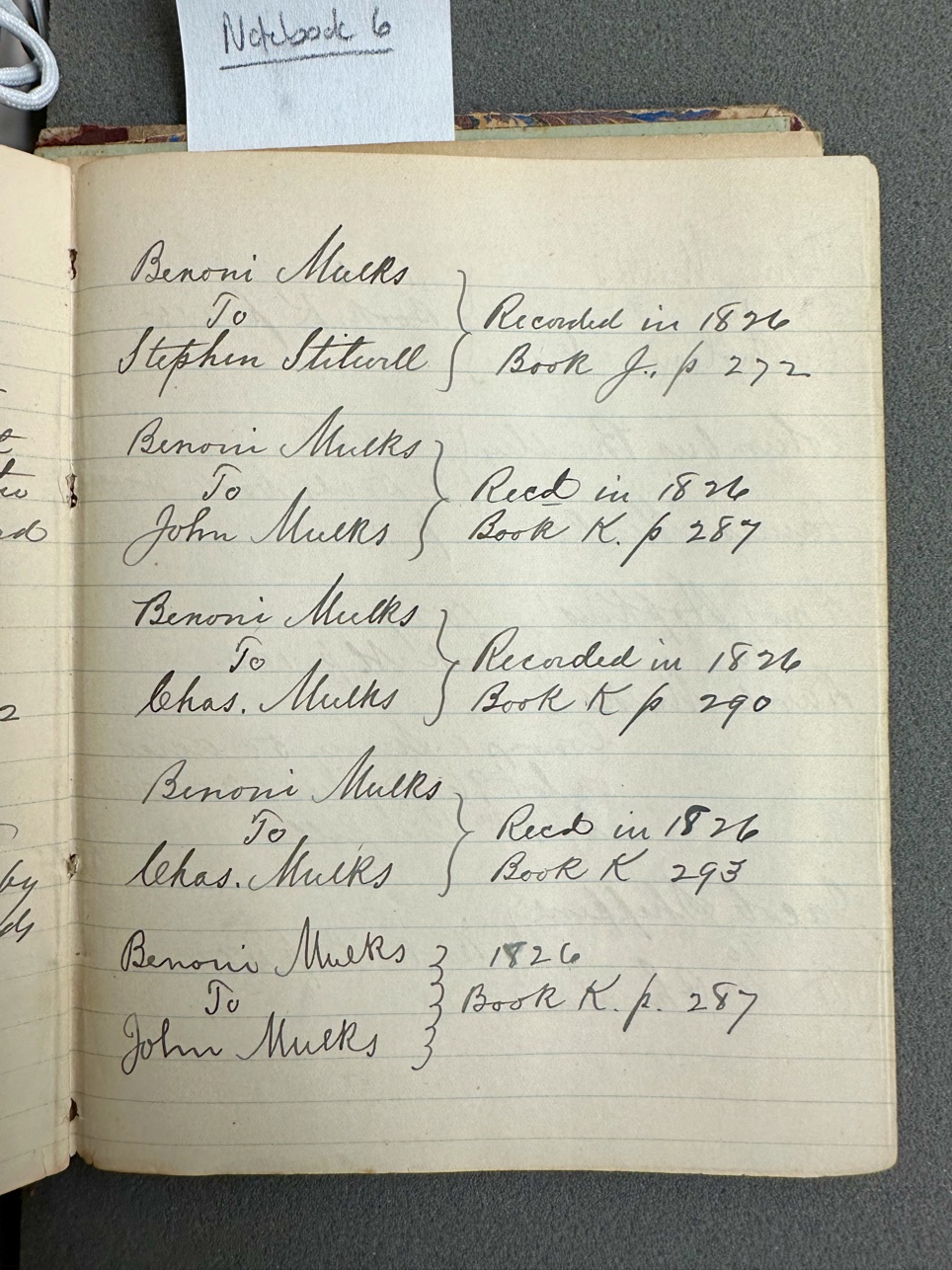
VI_9740
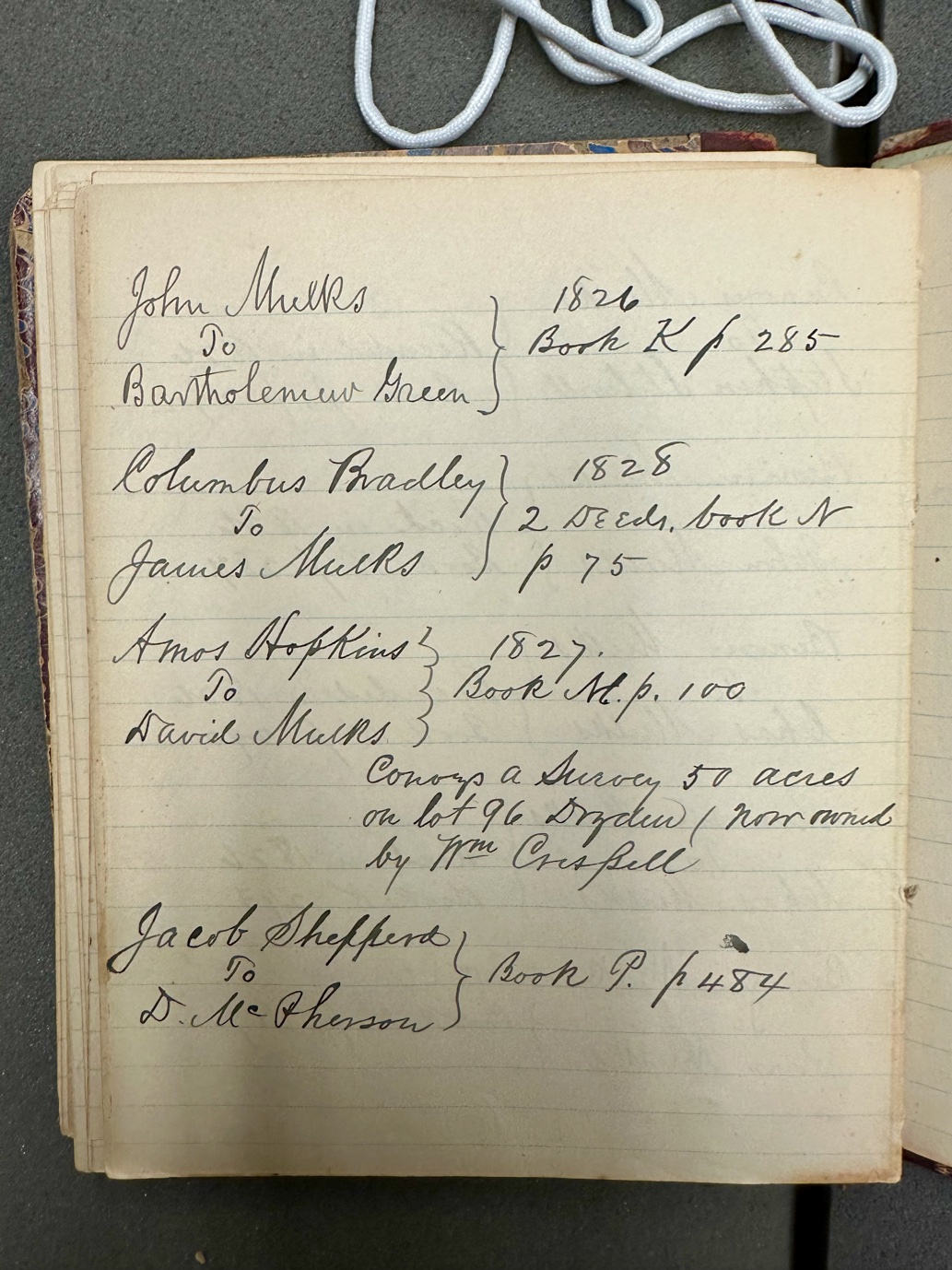
VI_9741
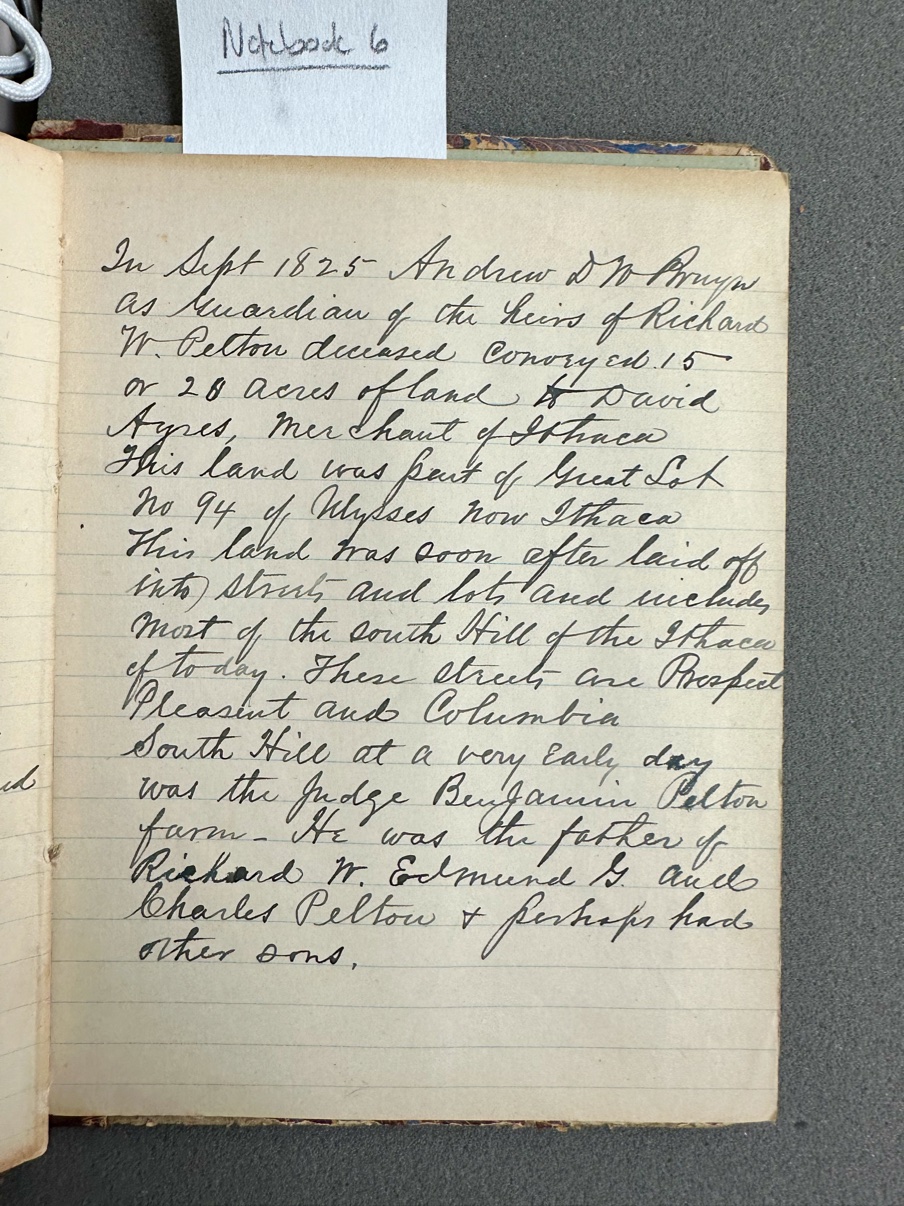
VI_9742
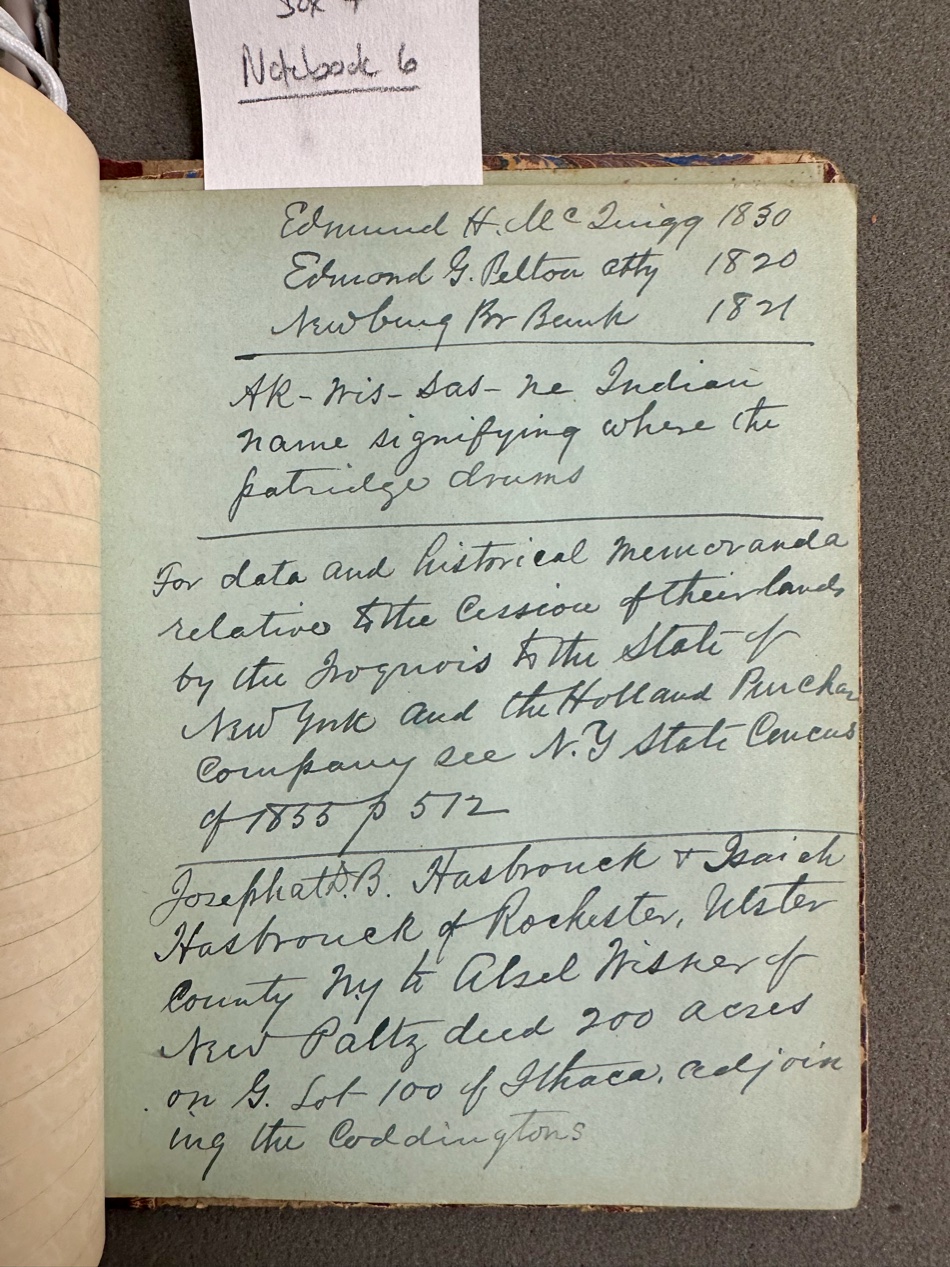
VI_9743
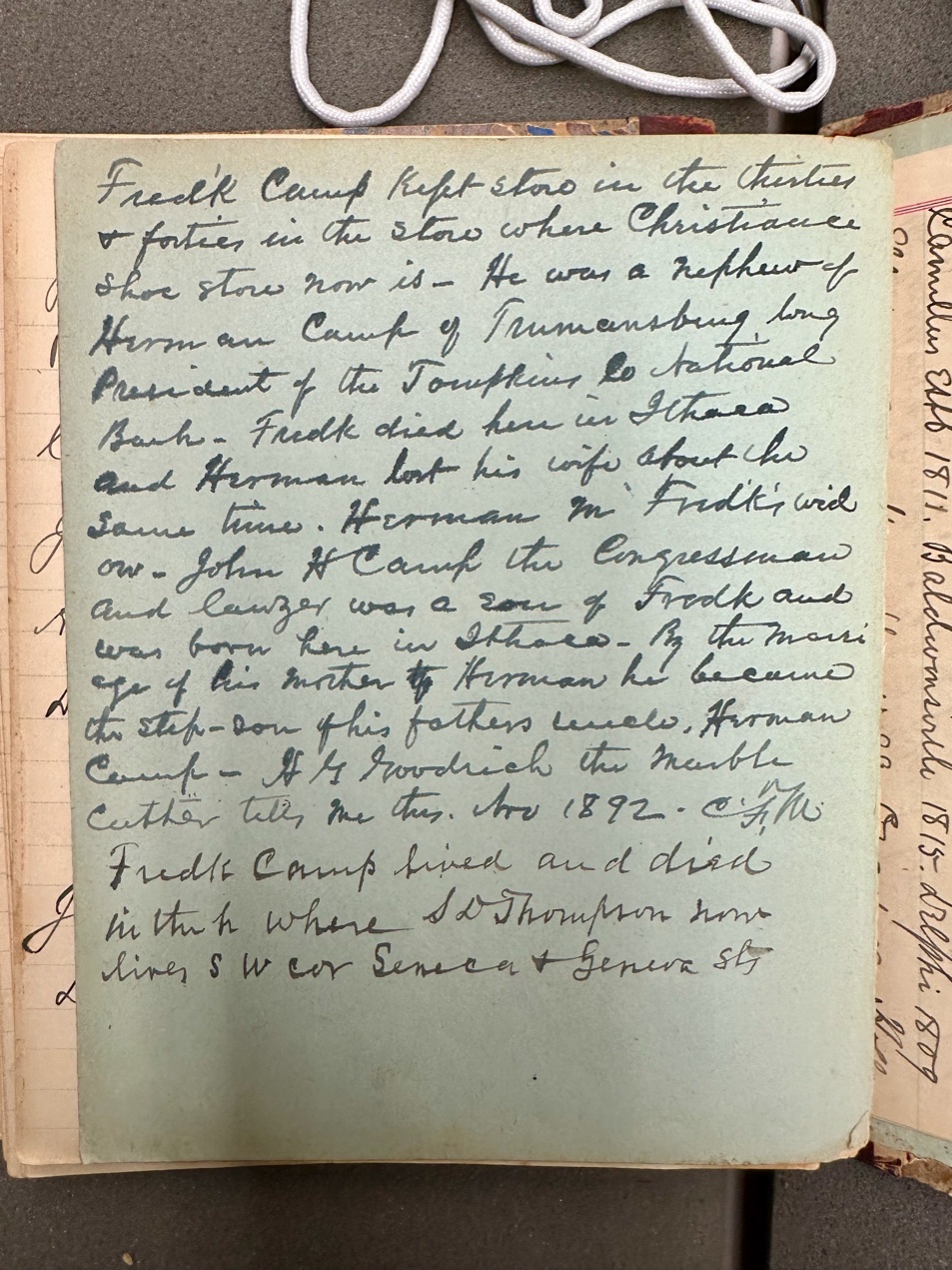
VI_9747
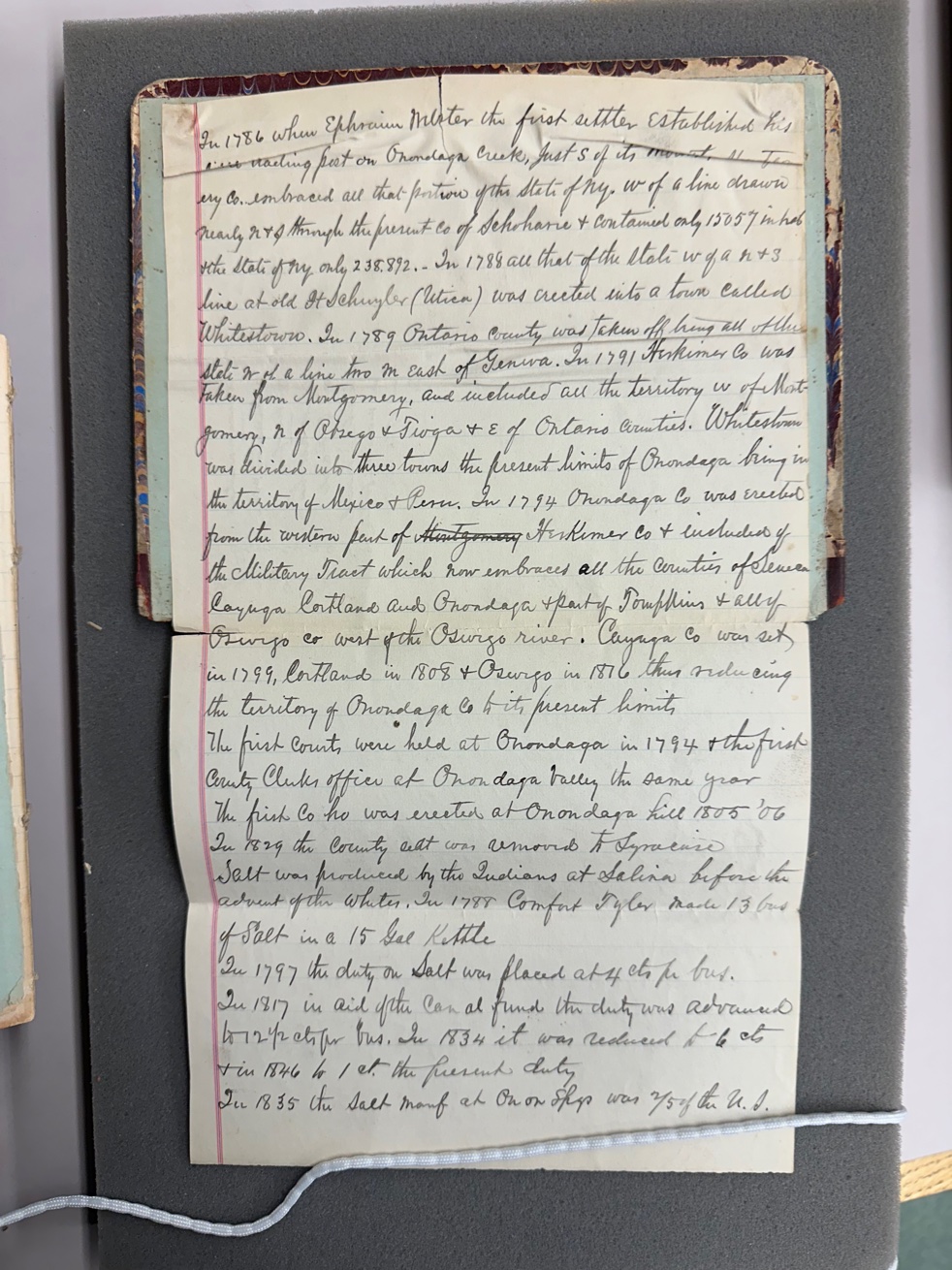
VI_9748